85d ago·Hellenic Shipping News
Oil Prices Decline on Renewed Hopes for Middle East Peace Agreement
Oil prices dropped sharply yesterday due to renewed optimism about a potential US-Iran peace deal.
Articles tagged with the Israel–Iran Conflict topic across every transport mode.
Oil prices dropped sharply yesterday due to renewed optimism about a potential US-Iran peace deal.

Oil prices rose as U.S.-Iran peace talks remained uncertain, with ongoing disruptions to key oil shipping routes.
Geopolitical tensions and crude price volatility are set to keep the global bunker fuel market unstable through August.
A second Qatari LNG carrier was reportedly struck in the Red Sea, while Chinese vessels navigated the area unharmed
Middle East tensions are escalating, impacting tanker shipping and navigational safety with potential for increased war risk premiums.
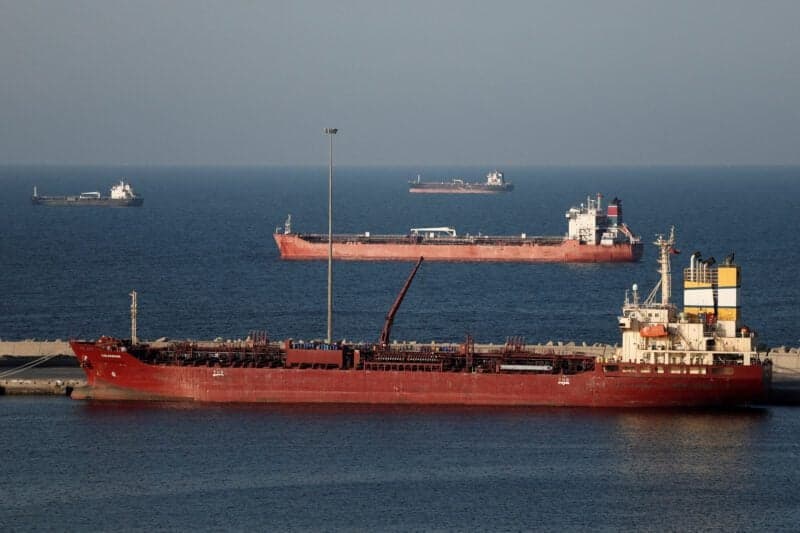
Iran is reportedly escalating its use of Middle Eastern trade routes and energy infrastructure as leverage against the U.S.
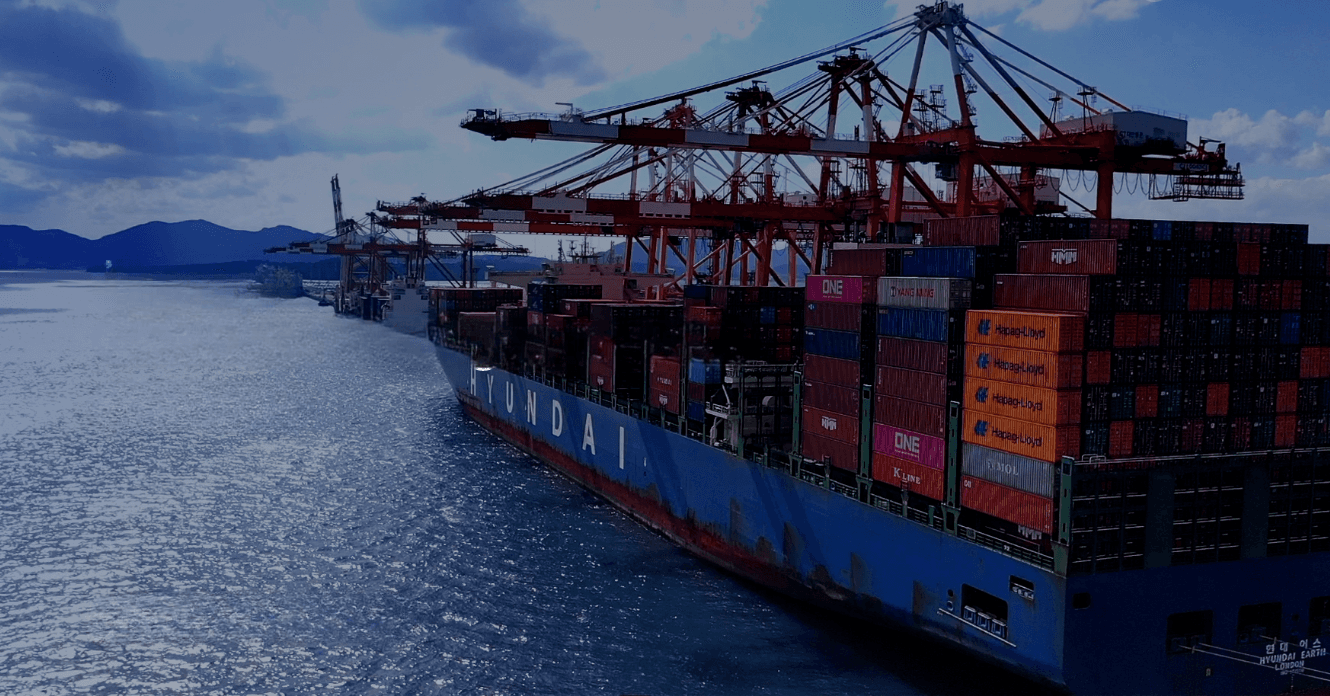
Gwadar Port handled 200,000 tonnes of breakbulk transit cargo, indicating a shift in regional trade due to Hormuz disruptions
Clarksons reported record first-half profits, citing the Strait of Hormuz crisis as a key driver of strong shipping markets
Global middle distillate margins are rising due to geopolitical events, tightening diesel supply, especially for Europe
Two oil tankers reportedly evaded separate incidents involving explosions and warning shots in the Strait of Hormuz
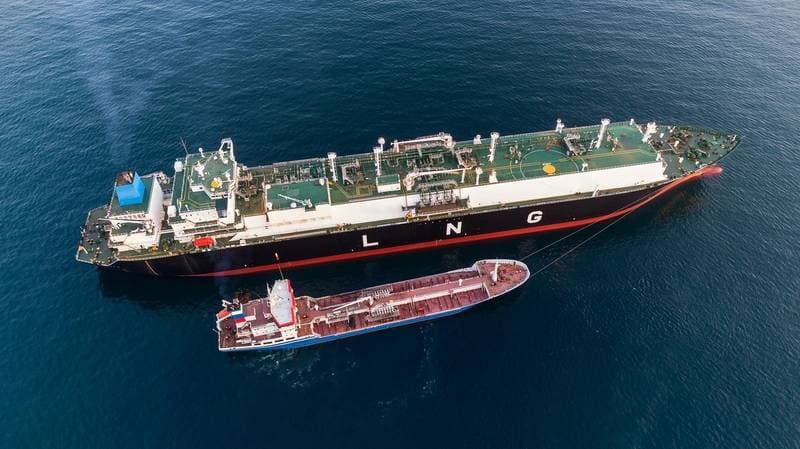
A GasLog LNG tanker encountered an incident exiting the Strait of Hormuz, with the vessel and crew reported safe.
Tanker operators are exploring new routes, including pipelines, to bypass the Strait of Hormuz due to ongoing instability
The Strait of Hormuz is a high-risk waterway due to Iranian attacks on shipping, impacting global oil trade.
An LNG carrier was struck in the Strait of Hormuz, indicating renewed Iranian attacks on vessels near the Omani coast
Ongoing disruptions in the Strait of Hormuz have caused a notable shift in global VLCC crude oil trade patterns.
Strait of Hormuz vessel traffic is limited due to US and Saudi Arabian strikes on Iranian proxy groups after Iranian attacks on US forces
Geopolitical tensions in the Middle East escalated, leading to renewed military actions and potential impacts on maritime shipping.
Middle Eastern exporters are adapting tanker operations amidst ongoing regional conflict, affecting crude and product flows.
China's crude oil imports fell in Q2 2026 due to higher prices and Strait of Hormuz disruptions, easing global price pressure
Saudi petrochemical giant SABIC states its Red Sea shipments remain unaffected by Middle East conflict, using flexible supply chains.

IAG Cargo's Q2 revenues and traffic fell year-on-year, but yields improved through a focus on premium cargo
Middle East conflicts are extending tanker voyage times and increasing earnings due to disruptions in key export routes.
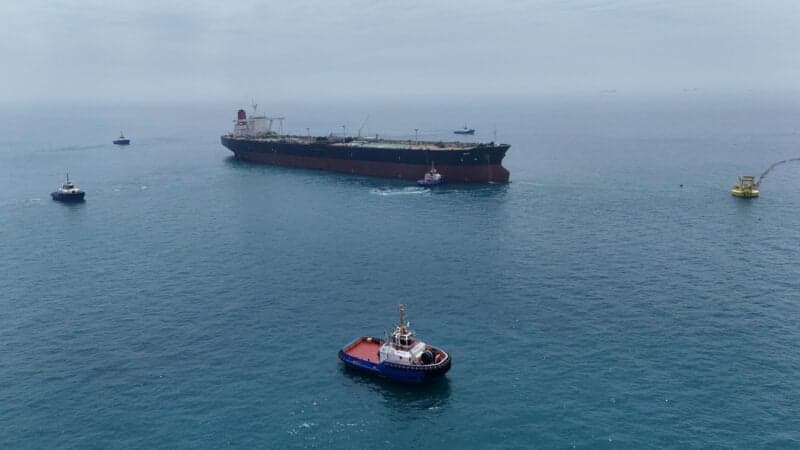
Oil shuttling in the Strait of Hormuz has resumed with increased frequency, moving millions of barrels as Middle East tensions rise
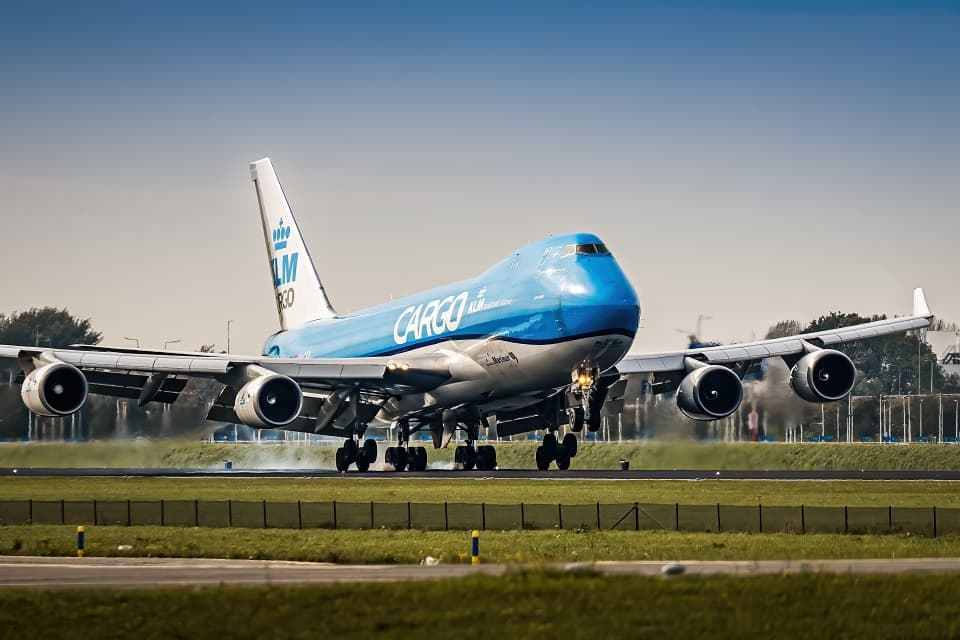
Air France-KLM Group's cargo revenue surged 25% in Q2, boosted by Middle East capacity cuts and high-tech demand.
South Korean oil refiners are looking into Venezuelan crude imports due to Middle East shipping disruptions.
European natural gas prices declined due to better shipping conditions in the Strait of Hormuz and fresh LNG arrivals.
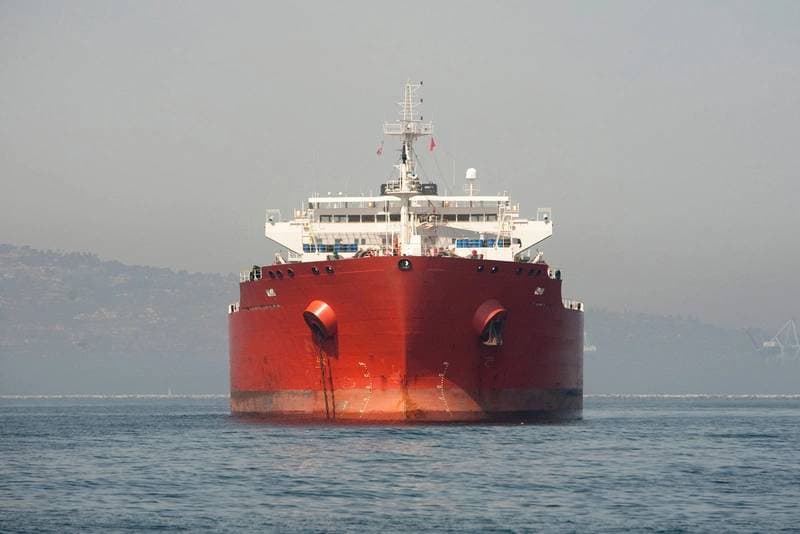
Two VLCCs departed the Strait of Hormuz, with ship-tracking data showing sparse traffic in the critical waterway
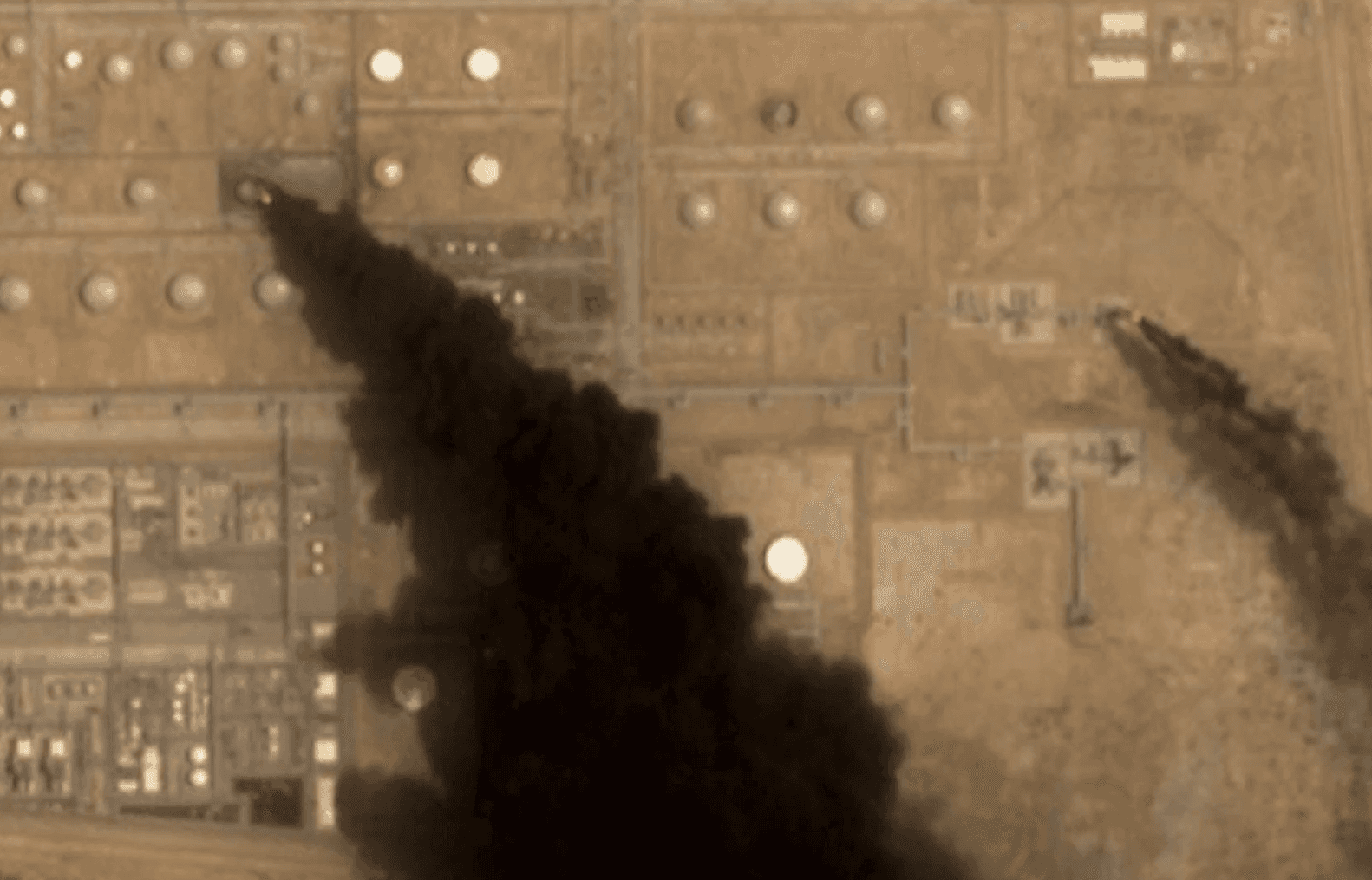
A Houthi strike reportedly caused a Saudi refinery to halt operations, with disruptions projected until mid-August.
MarineTraffic introduced new features in July 2026, including dark port call risk detection and Strait of Hormuz monitoring.
Attacks on commercial vessels in critical waterways are disrupting global trade, increasing costs, and altering shipping routes
Browse by mode or open the Intelligence Suite for cross-cutting briefs.