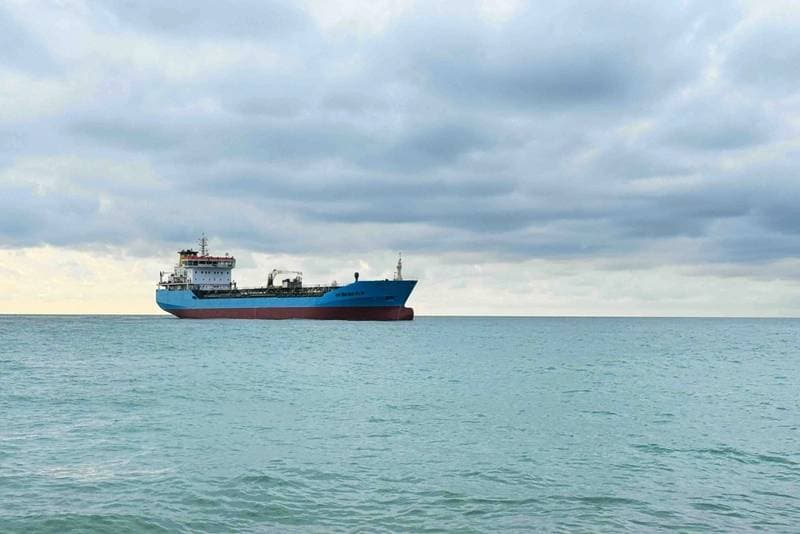
Since March, the Strait of Hormuz has emerged as a particularly hazardous maritime route, following a series of attacks on commercial vessels by Iran. These actions are reportedly a tactic to exert pressure during ongoing ceasefire discussions with the United States. Despite the heightened security concerns and the strait's critical role as a bottleneck for a substantial portion of the world's oil trade, shipping operations have continued, albeit under increased scrutiny.
For freight forwarders and operations managers, the persistent tensions in the Strait of Hormuz translate into elevated operational risks and potential cost increases. War risk insurance premiums for transiting vessels are likely to remain high, directly impacting shipping costs. Forwarders must closely monitor geopolitical developments and carrier advisories to assess potential delays, re-routing, or surcharges. The continuous threat of incidents necessitates robust contingency planning for shipments reliant on this waterway, including exploring alternative supply chain routes or modes where feasible, though limited options exist for crude oil transport. The situation underscores the importance of real-time visibility and flexible logistics strategies to mitigate disruptions.