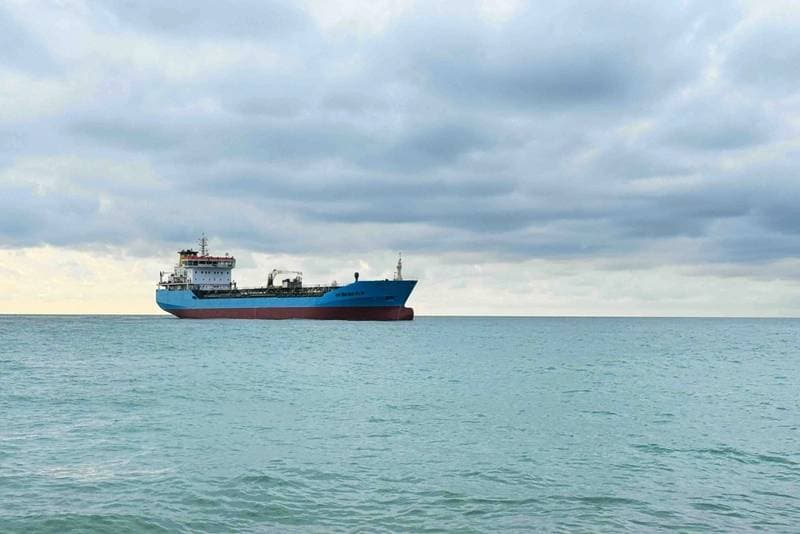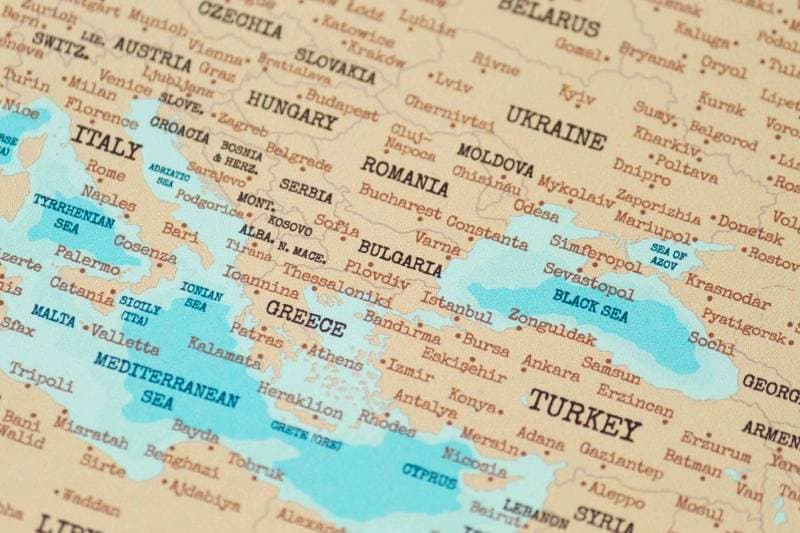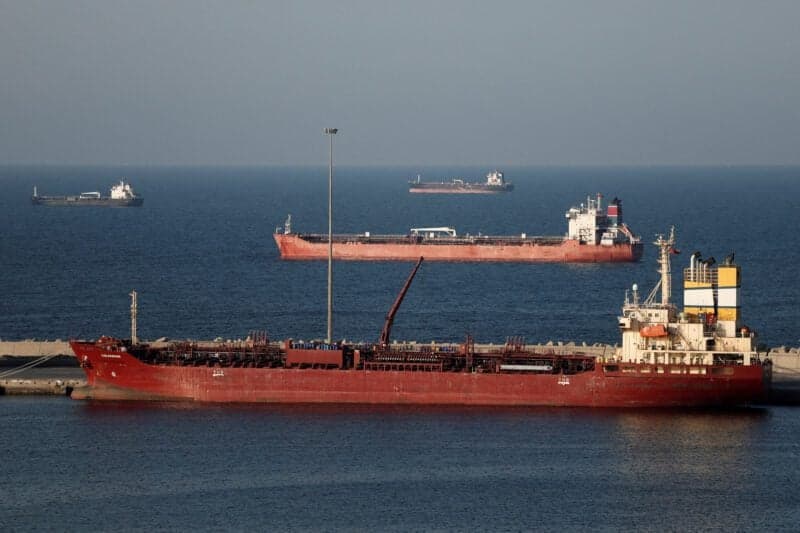
Iran is reportedly increasing its pressure campaign by targeting critical trade routes, shipping lanes, and energy infrastructure across the Middle East. This strategy, as observed by Gulf officials and analysts, is designed to steadily raise the financial and operational costs of confrontation for the United States, ultimately seeking to force concessions from Washington.
This approach follows a pattern of regional actions where Iran has demonstrated its capacity to disrupt maritime and energy flows. The focus on these vital arteries of global commerce and energy supply highlights a long-term strategy to outmaneuver U.S. influence through persistent, low-level escalation rather than direct military engagement.
For freight forwarders and shippers, this development signals a heightened risk environment in the broader Middle East, particularly in key maritime passages like the Strait of Hormuz and potentially other strategic chokepoints. Increased geopolitical tensions could lead to higher war risk premiums for cargo insurance, potential re-routing of vessels, and delays in transit times. Operational managers should monitor the situation closely for any advisories or changes in shipping lanes, as disruptions could impact supply chain reliability and freight rates. The potential for further incidents affecting energy infrastructure also poses a risk to global oil and gas supplies, which could indirectly influence bunker prices and overall shipping costs.
While the article does not specify immediate next steps, the ongoing nature of this pressure campaign suggests a continued period of elevated vigilance for all stakeholders involved in Middle Eastern logistics and trade.