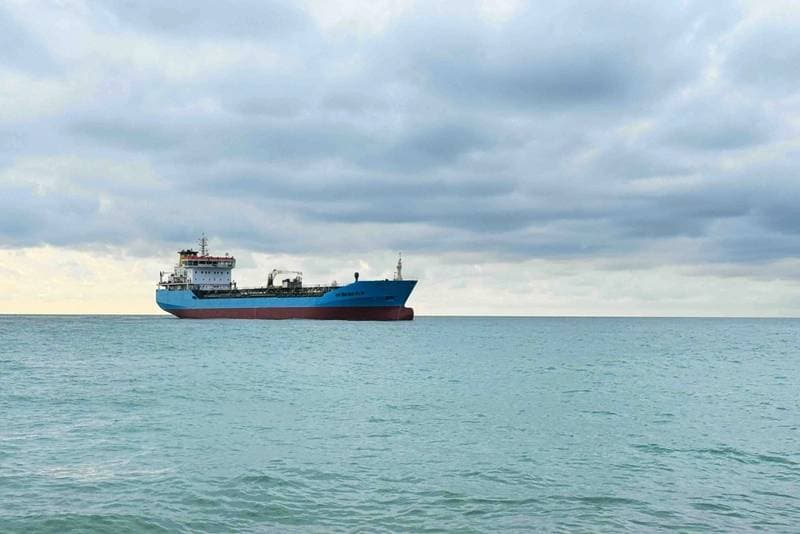
The first half of 2026 witnessed substantial changes in the global Very Large Crude Carrier (VLCC) shipping market due to the crisis in the Strait of Hormuz. This geopolitical event led to a continuous decline in overall VLCC crude volumes, decreasing from 277.8 million tonnes in Q3 2025 to 233.7 million tonnes in Q1 2026.
In response to the disruptions, Venezuela significantly increased its crude oil loadings, stepping in as an alternative source. This strategic shift allowed Venezuela to boost its exports, particularly to major consuming nations such as China and India, which sought to diversify their crude oil supply routes away from the affected region.
For freight forwarders and operations managers, this development means a potential increase in tanker demand and altered routing for crude oil shipments. The shift away from traditional Middle Eastern loading points could lead to longer transit times and higher freight costs on certain routes. Forwarders must closely monitor geopolitical developments in key chokepoints and assess the availability of VLCCs for alternative loading regions like Venezuela, impacting scheduling and rate negotiations.