The week began with a declared ceasefire in the Middle East, which quickly dissolved, leading to a resumption of military engagements. Initial reports indicated a halt in U.S. strikes at Iran's request, with warnings of renewed action if no new agreement was reached. However, by mid-week, Iran reportedly targeted American assets, prompting a military response from Washington.
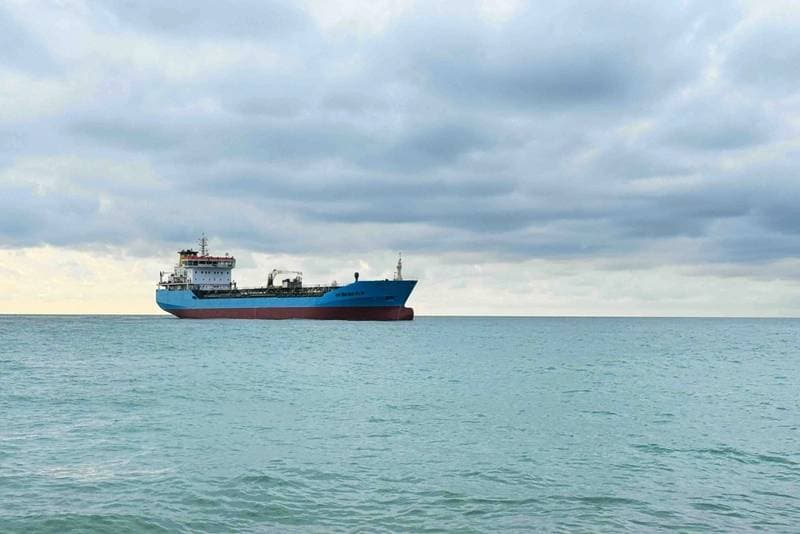
This escalating conflict directly impacts the maritime sector. Freight forwarders and shippers should anticipate a rise in war risk insurance premiums for vessels operating in or transiting through the Middle East. This increase in operational costs will likely be passed on to cargo owners, affecting overall shipping expenses. Furthermore, the heightened security risks could lead to diversions, delays, or even temporary suspensions of services in certain areas, impacting schedule reliability and transit times. Forwarders need to closely monitor carrier advisories and adjust routing and insurance coverage accordingly.
While the immediate future remains uncertain, the ongoing instability suggests a sustained period of elevated risk for shipping in the region. Stakeholders should prepare for potential supply chain disruptions and continue to factor in geopolitical volatility when planning logistics.