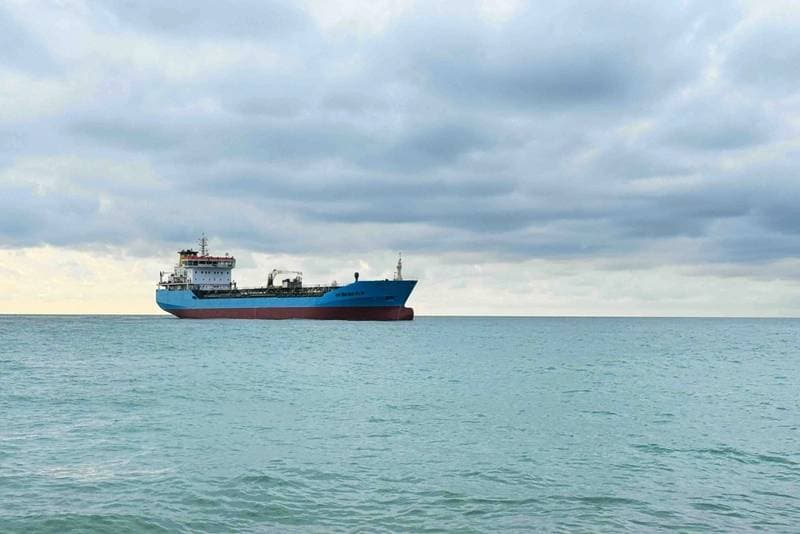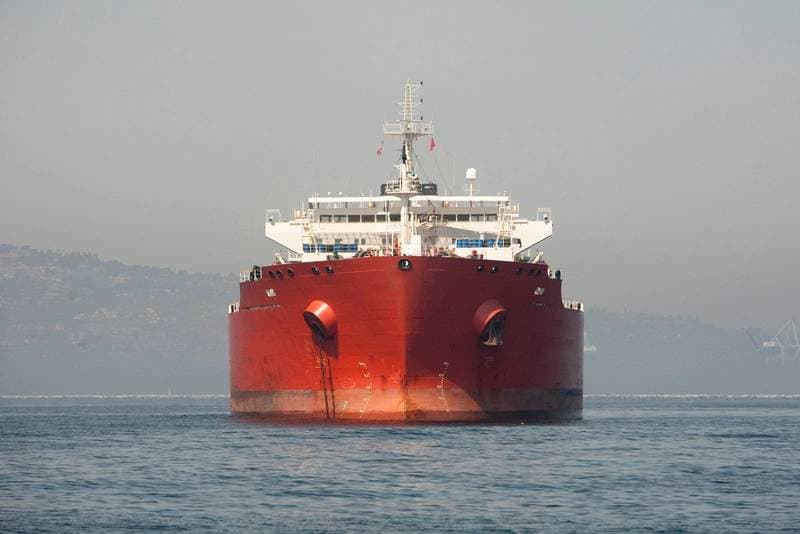
Two Very Large Crude Carriers (VLCCs), including the vessel "Spain B," have successfully navigated out of the Strait of Hormuz after loading crude oil from the Persian Gulf. This movement was observed on Friday, according to Kpler ship-tracking data. The data also revealed that overall maritime traffic through this vital chokepoint remains notably low.
This sparse traffic pattern in the Strait of Hormuz is a direct consequence of heightened geopolitical tensions in the region, particularly involving Iran. The Strait is a crucial passage for a significant portion of the world's oil supply, and any perceived instability can lead to reduced vessel movements as carriers and shippers exercise caution.
For freight forwarders and operations managers, the continued low traffic in the Strait of Hormuz signals ongoing risks and potential for disruption in the Middle East Gulf. While the immediate impact is on tanker movements, the broader security environment can influence insurance premiums (war risk), scheduling, and routing for all vessel types operating in or transiting near the region. Forwarders must stay informed about security advisories and potential diversions, as well as any changes in war risk insurance surcharges that could affect shipping costs and transit times for clients with cargo originating from or destined for the Gulf.