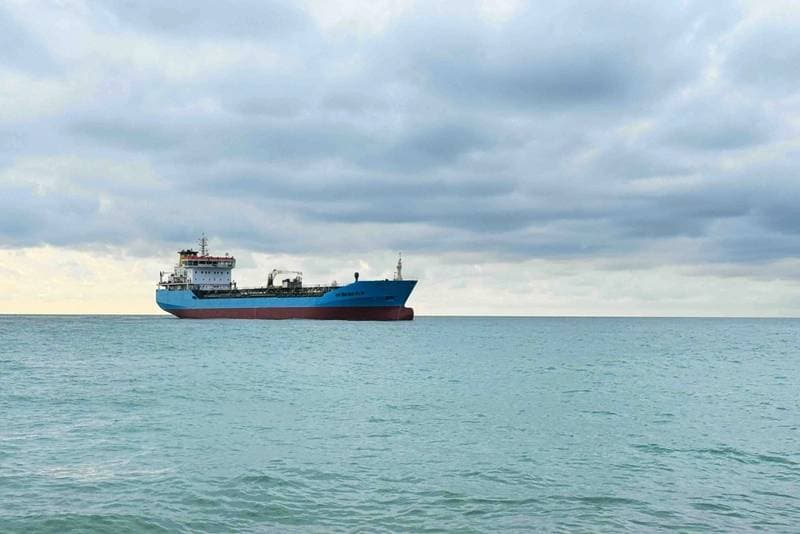
European natural gas prices experienced a notable decline, reaching around €57 per MWh. This downward trend, which continued from the prior trading session, is primarily linked to two factors: an improvement in shipping conditions within the Strait of Hormuz and a rise in Liquefied Natural Gas (LNG) deliveries to European markets. A key development was the transit of Qatar's first LNG tanker through the Strait of Hormuz in over three weeks, which has fostered optimism regarding the stability of energy supply routes.
For freight forwarders and operations managers, this situation suggests a potential easing of supply chain concerns related to energy commodities. Improved transit through the Strait of Hormuz, a critical chokepoint for global energy shipments, reduces perceived risks and could lead to more predictable vessel schedules for LNG carriers. Increased LNG arrivals in Europe also indicate a healthier supply situation, which might indirectly influence industrial production costs and, consequently, demand for other freight services. While not directly impacting container or general cargo rates, a stable energy market contributes to overall economic predictability, which is beneficial for long-term logistics planning.