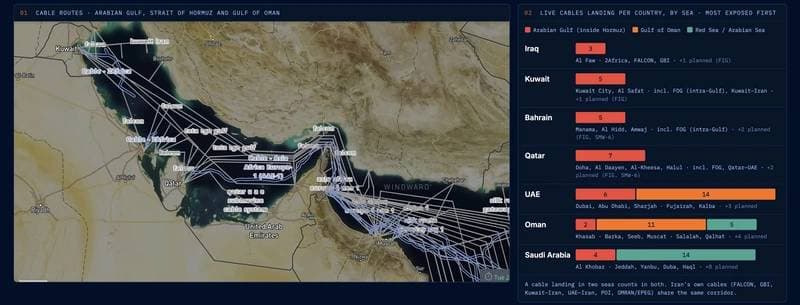
Citi analysts have stated that the short-term outlook for oil prices continues to lean towards an increase, despite a recent recovery in crude oil exports from the Arabian Gulf. The firm notes that while export volumes have improved, underlying logistical challenges in shipping persist, leading to a sustained tightness in delivered oil supplies globally.
This situation implies that the normalization of exports is primarily a volumetric improvement rather than a resolution of the fundamental logistical bottlenecks affecting the global oil supply chain. These bottlenecks contribute to market instability and upward pressure on crude prices.
For freight forwarders and ocean carriers, this continued volatility in oil prices directly impacts bunker fuel costs. Higher or unstable oil prices can lead to increased operational expenses, potentially translating into higher freight rates or bunker surcharges. Forwarders should anticipate potential fluctuations in fuel-related costs and factor this into their pricing and budgeting for upcoming shipments. The ongoing tightness in supply due to shipping issues means that even with increased production or export volumes, the delivered cost of oil remains sensitive to transport inefficiencies.