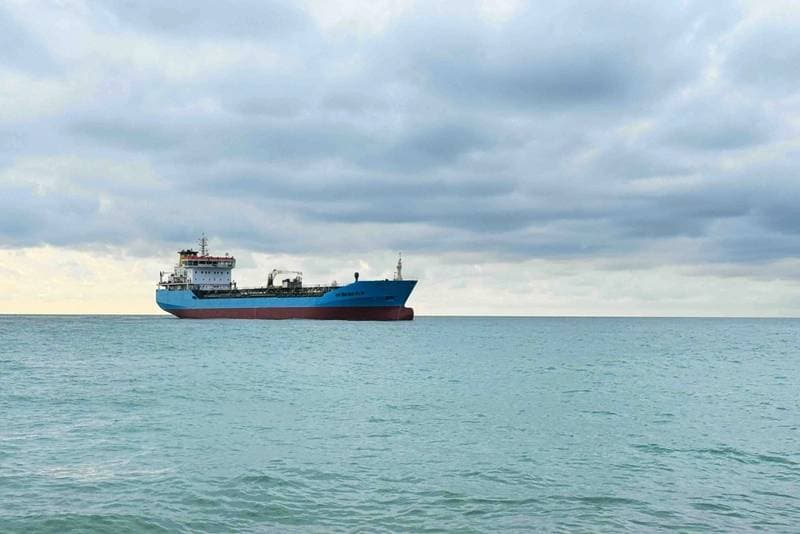
Middle Eastern exporters are continuously modifying their tanker operations in response to the sustained regional conflict. This geopolitical situation significantly influences the movement of crude oil and refined products, compelling shippers to seek alternative routes and strategies to maintain supply chains.
For freight forwarders and supply chain managers, this means an environment of heightened uncertainty and operational complexity. The necessity for rerouting vessels around conflict zones can lead to considerably longer transit times, impacting delivery schedules and inventory management. Furthermore, increased war risk premiums and operational costs associated with navigating these areas are likely to translate into higher freight rates, affecting overall logistics budgets. Forwarders must closely monitor geopolitical developments and maintain flexible contingency plans to mitigate potential disruptions and cost escalations for their clients.