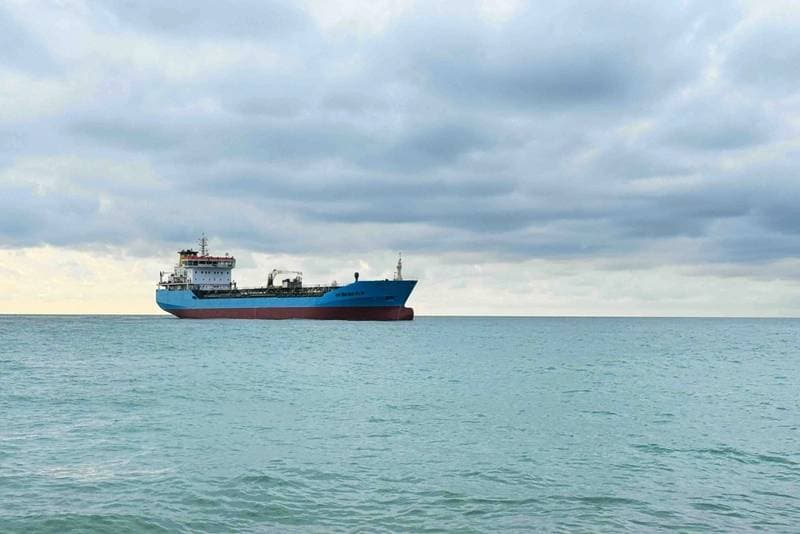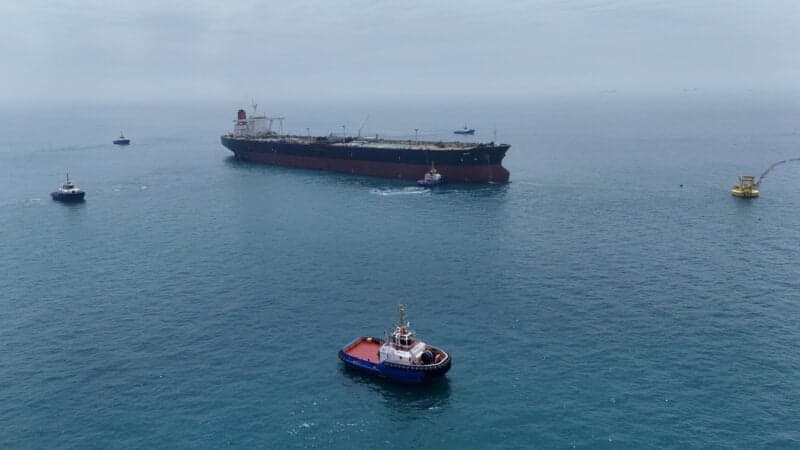
The crucial oil shuttling services operating within the Strait of Hormuz have seen a resurgence in activity after a period of reduced operations. This renewed momentum is enabling the transportation of substantial oil volumes, specifically millions of barrels, out of the region.
The increase in these shuttle services directly correlates with an escalation of geopolitical tensions and hostilities across the Middle East. The Strait of Hormuz is a vital chokepoint for global oil transit, making any disruption or heightened risk in the area a significant concern for international energy markets.
For freight forwarders and shippers, this development signals ongoing instability in a critical maritime trade lane. While the increased shuttling helps maintain oil flow, the underlying escalation of hostilities suggests a persistent threat of supply chain disruptions, potential delays, and increased war risk premiums for vessels transiting the area. Forwarders should advise clients on potential routing adjustments and ensure robust cargo insurance coverage for shipments through this volatile region. The situation underscores the need for continuous monitoring of security advisories and carrier surcharges.
Should tensions continue to mount, further impacts on shipping schedules and operational costs are probable, potentially affecting global oil prices and the broader supply chain.