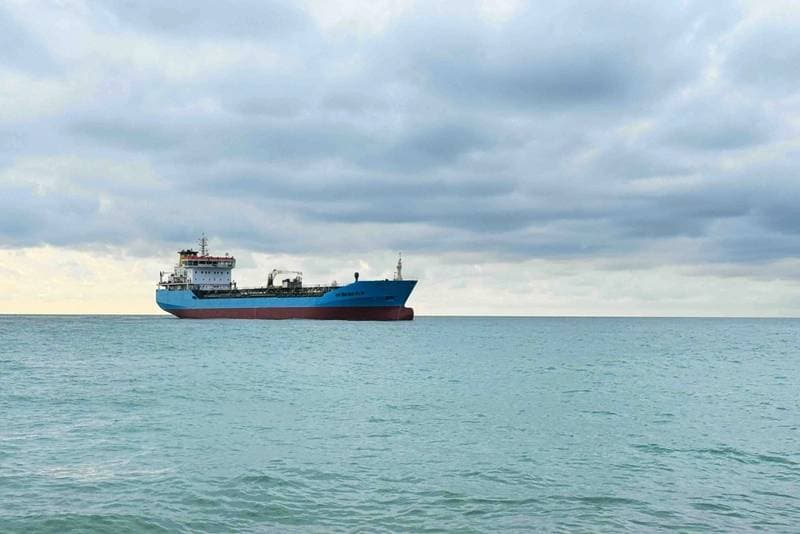
Oil prices experienced an increase on Tuesday, driven by the unresolved diplomatic situation between the United States and Iran. The lack of a clear resolution in peace talks has contributed to market apprehension. Concurrently, disruptions continue to affect critical maritime routes used for oil transportation, further tightening supply concerns.
Brent crude futures, a global benchmark for oil prices, climbed by $1.04, representing a 1.24% increase, to settle at $84.81 per barrel. This price movement reflects the market's reaction to geopolitical tensions and supply chain vulnerabilities.
For freight forwarders and shippers, rising oil prices directly translate to higher bunker fuel costs for vessels. This increase in operational expenses for ocean carriers may lead to the implementation of higher bunker adjustment factors (BAF) or general rate increases, ultimately affecting overall ocean freight rates. Forwarders should monitor these developments closely to anticipate potential cost adjustments and advise clients on budgeting for increased transportation expenses. The instability also highlights the ongoing risks associated with major shipping lanes, which could necessitate alternative routing or longer transit times if disruptions escalate.