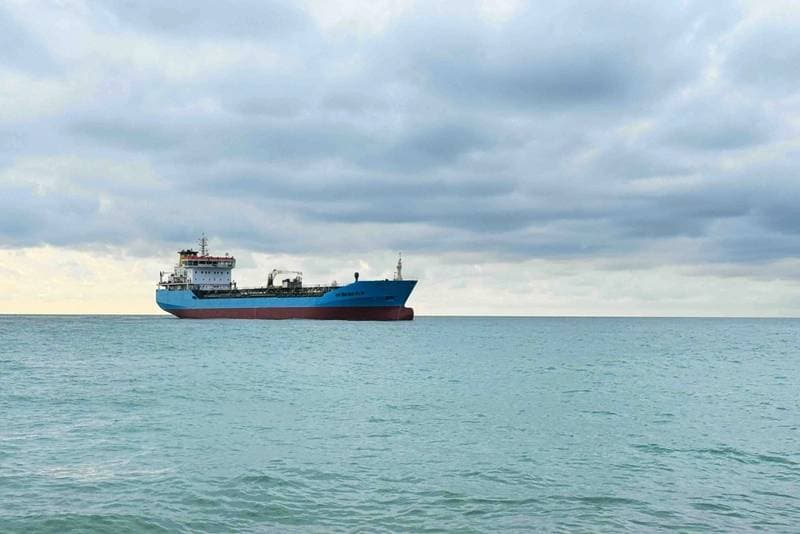
The tanker shipping industry is increasingly considering and implementing alternative transit options, such as pipelines, to circumvent the Strait of Hormuz. This strategic shift is driven by the widespread belief among industry observers that the Strait will continue to be an area of potential unrest and danger, regardless of any short-term agreements on safe passage. The ongoing geopolitical tensions in the region are compelling stakeholders to re-evaluate traditional shipping lanes for crude oil and refined products.
For freight forwarders and operations managers, this development signals a potential long-term change in the routing of tanker shipments, particularly for crude oil and petroleum products originating from the Middle East. While direct impact on container or dry bulk shipping is limited, it highlights the broader geopolitical risks affecting global maritime trade. Forwarders involved in project cargo for energy infrastructure or those managing supply chains reliant on Middle Eastern oil exports should monitor these route changes, as they could influence transit times, bunker costs, and overall supply chain resilience. The increased use of pipelines could reduce vessel demand in specific trade lanes, potentially impacting tanker rates and availability.