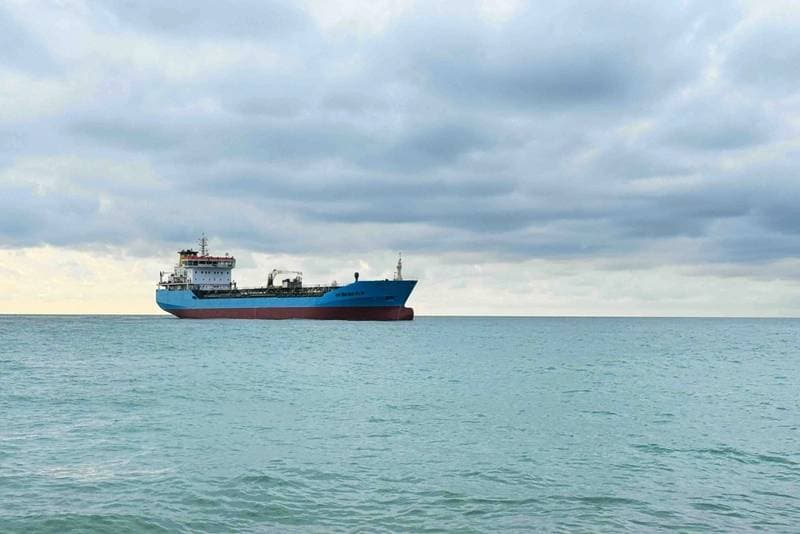
China, recognized as the world's leading importer of crude oil, recorded a significant reduction in its crude oil imports during the second quarter of 2026. This decline was a direct consequence of the higher crude oil prices prevalent in the global market during that period. These elevated prices were largely attributed to disruptions in the flow of oil through the critical Strait of Hormuz.
The decrease in China's import demand had a notable effect on the international oil market. By reducing overall global demand, China's actions helped to mitigate the upward price movements that would otherwise have been more pronounced due to the supply interruptions in the Strait. For freight forwarders and operations managers, this scenario implies potential shifts in tanker demand and routing. Reduced Chinese imports could lead to a temporary oversupply of tanker capacity on certain routes, potentially impacting freight rates for crude oil shipments. Shippers might experience more stable or even slightly lower freight costs for crude oil, despite the underlying supply issues, due to the demand-side adjustment from China.