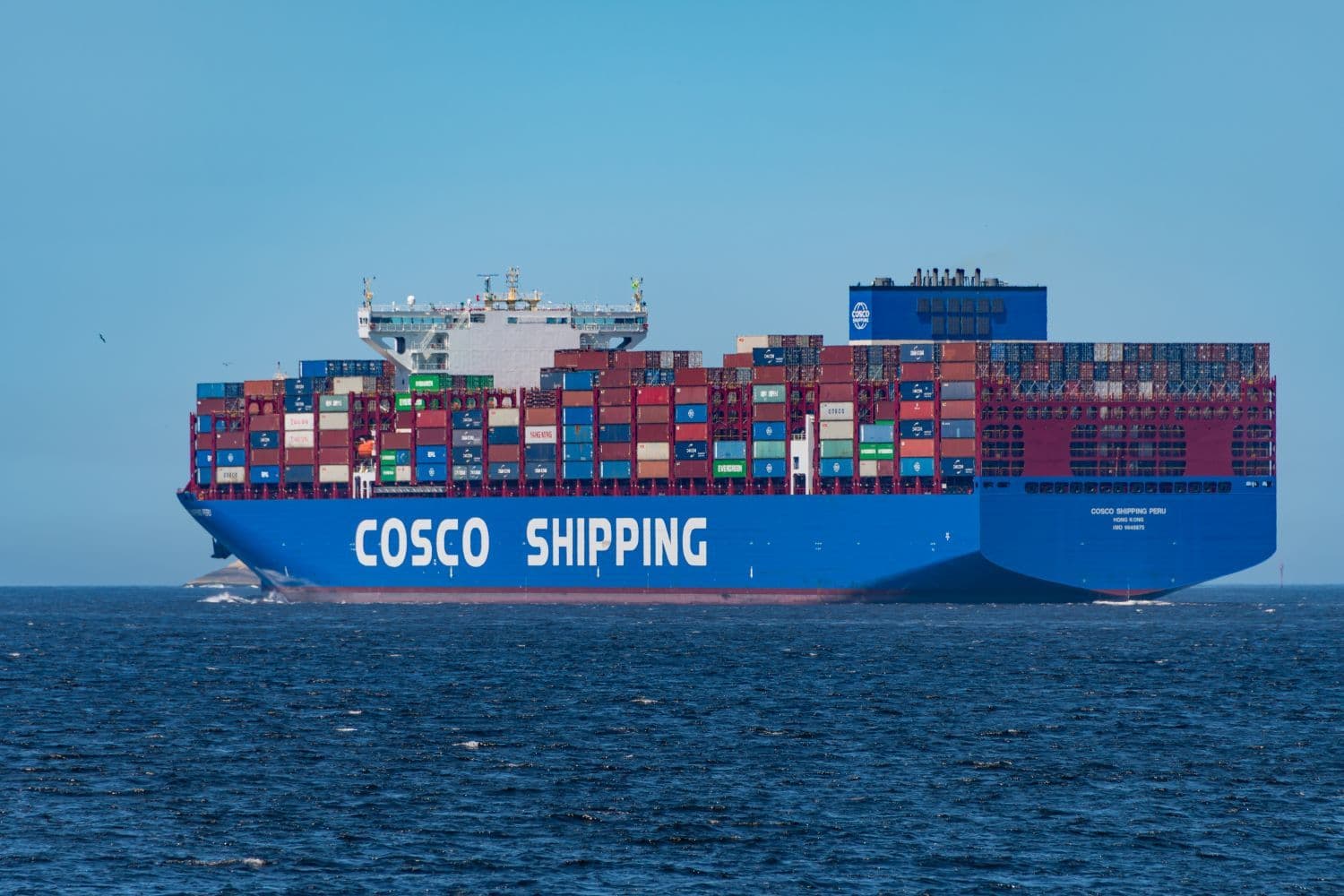
Ongoing attacks against commercial vessels in key maritime corridors, including the Strait of Hormuz, the Red Sea, and the Black Sea, are causing substantial disruptions to global trade. These incidents, often involving advanced weaponry such as drones and missiles, are transforming vital shipping lanes into conflict zones. The direct targeting of economic lifelines has led to significant increases in operational costs for shipping companies and has compelled many to reroute vessels, extending transit times and impacting schedule reliability.
For freight forwarders and operations managers, this situation translates into heightened risks and complexities. Increased war risk premiums and insurance costs are directly affecting freight rates, which ultimately get passed on to shippers. Capacity management becomes more challenging due to longer transit times and potential delays, while route planning requires constant adaptation to avoid high-risk areas. Forwarders must closely monitor geopolitical developments and communicate transparently with clients about potential surcharges and extended lead times.
The persistent threats in these regions are forcing a re-evaluation of global supply chain resilience and maritime security strategies. The long-term implications could include a permanent shift in established trade routes and a greater emphasis on diversified logistics solutions to mitigate future disruptions.