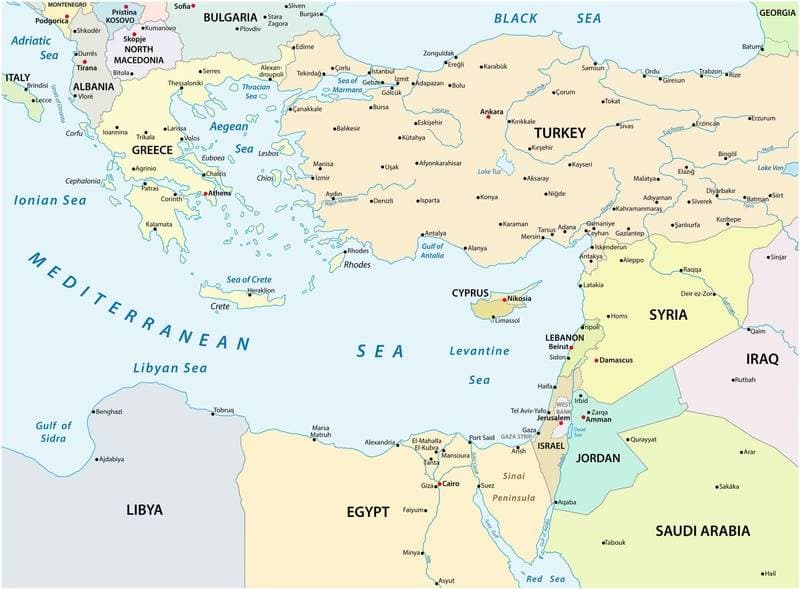
Greece and Egypt are currently engaged in discussions regarding the potential extension of their Exclusive Economic Zone (EEZ) in an easterly direction, aiming towards Cyprus. This strategic deliberation comes in response to the recent ratification by eastern Libya's parliament of a maritime agreement with Turkey. This particular agreement has been a long-standing point of contention, consistently opposed by Greece, Egypt, and Cyprus.
For freight forwarders and shippers, any shifts in maritime boundaries or increased geopolitical tensions in the Eastern Mediterranean could introduce uncertainty. While direct impacts on commercial shipping lanes might not be immediate, heightened diplomatic disputes can lead to increased scrutiny of vessel movements, potential changes in insurance premiums for certain routes, or even, in extreme scenarios, affect the perception of regional stability for long-term trade planning. Forwarders should monitor the situation for any implications on transit times or operational costs in the region.