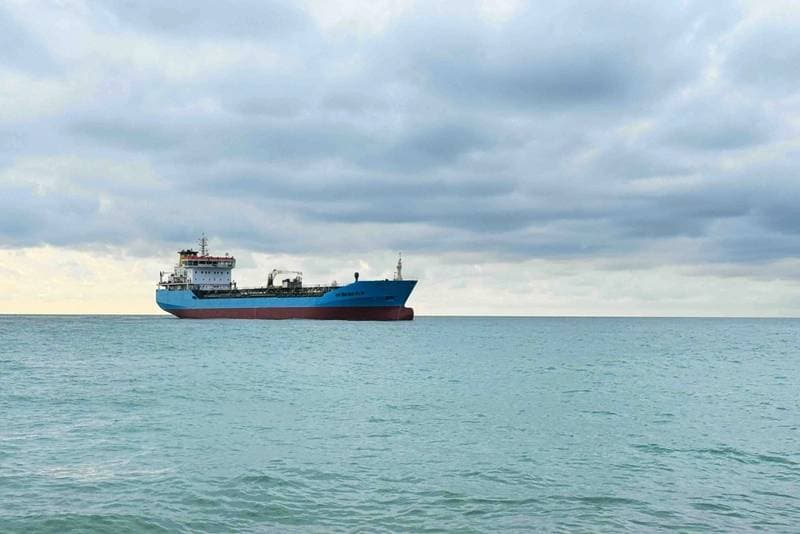
Vessel movements through the Strait of Hormuz are currently constrained following military responses by the United States and Saudi Arabia against Iranian-aligned groups in Iraq. These actions were a direct consequence of Iran's attempted assaults on US military personnel the preceding day. The US Central Command (CENTCOM) confirmed it had targeted numerous Islamic Revolutionary Guard Corps (IRGC) sites within Iran, including key military command centers.
For freight forwarders and shippers, this ongoing escalation in the Middle East signifies persistent instability in a vital global shipping artery. The Strait of Hormuz is a choke point for a significant portion of the world's oil and gas shipments, and any disruption here can have far-reaching effects on global supply chains. Forwarders should prepare for potential delays, increased transit times, and possible rerouting of vessels, which could lead to higher operational costs and freight rates. The heightened security risks may also impact insurance premiums and vessel availability in the region.
Further developments will depend on the de-escalation or intensification of military activities between the involved parties. Shippers should maintain close communication with their logistics providers for real-time updates and contingency planning.