South Korea's four primary oil refiners are actively investigating the potential for importing crude oil from Venezuela. This strategic shift is a direct response to ongoing conflicts in the Middle East, which have created significant disruptions to maritime traffic passing through the critical Strait of Hormuz. The instability in this vital chokepoint is prompting refiners to seek alternative, more secure supply sources.
As part of this exploratory effort, GS Caltex, one of the major refiners, reportedly imported 110,000 barrels of Venezuelan crude in June. This initial shipment is intended for a thorough quality assessment to determine if the crude meets the refiner's specifications and can be integrated into their refining processes. The outcome of this evaluation will likely influence broader decisions regarding future Venezuelan crude imports by other South Korean refiners.
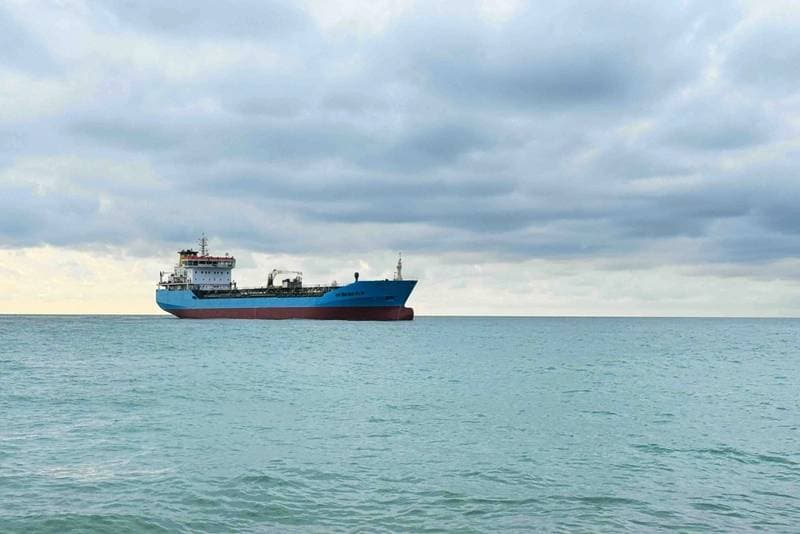
For freight forwarders and supply chain analysts, this development signals a potential diversification of crude oil trade lanes, moving away from traditional Middle Eastern sources for South Korean buyers. While the immediate impact on container or general cargo rates is indirect, a sustained shift could influence tanker demand and routing, potentially increasing long-haul voyages from Latin America to Asia. Forwarders should monitor the geopolitical situation in the Middle East and its continued effect on key maritime passages, as well as the progress of these alternative sourcing initiatives.