65d ago·Breakbulk.News
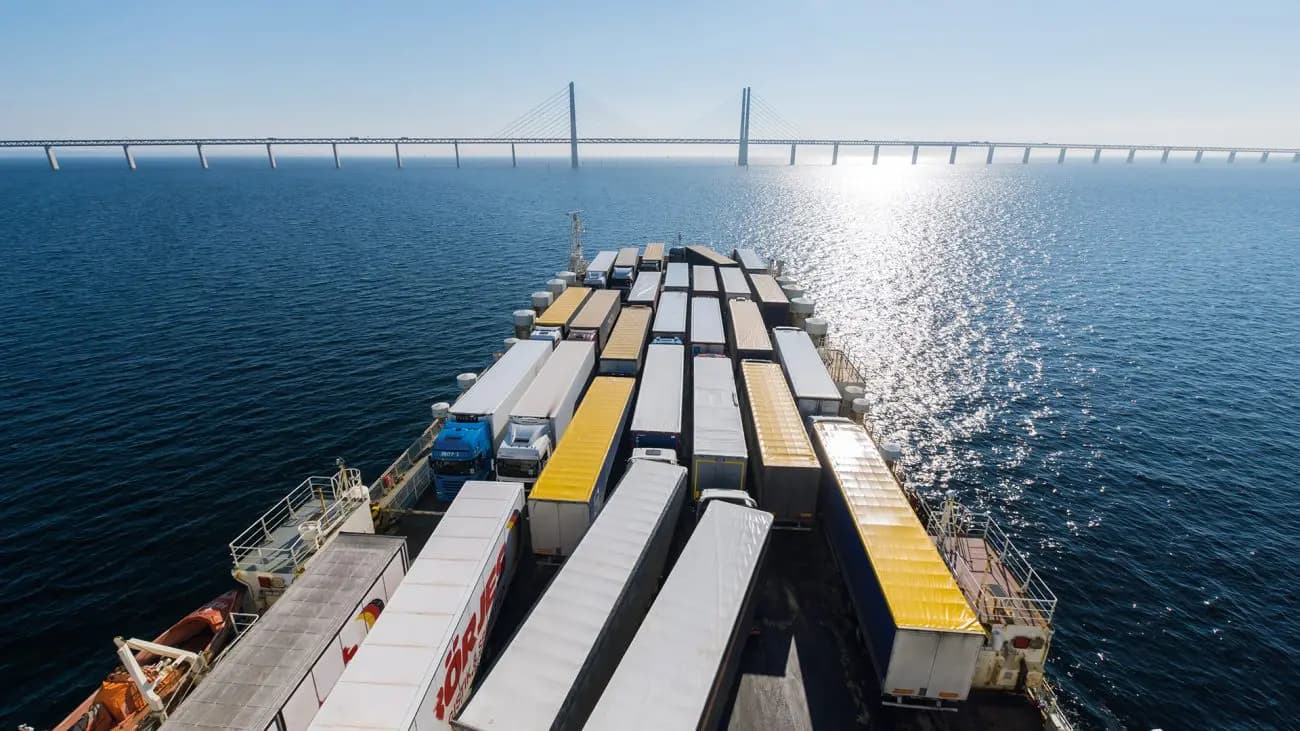
Finnlines Reports 39% Profit Increase Amidst Fleet Modernization and Energy Strategy
Finnlines saw a 39% profit increase, crediting fleet modernization and energy strategy for shielding against Red Sea fallout.
Latest coverage tied to this risk region from our curated freight publishers, across the topics that define it.
Finnlines saw a 39% profit increase, crediting fleet modernization and energy strategy for shielding against Red Sea fallout.
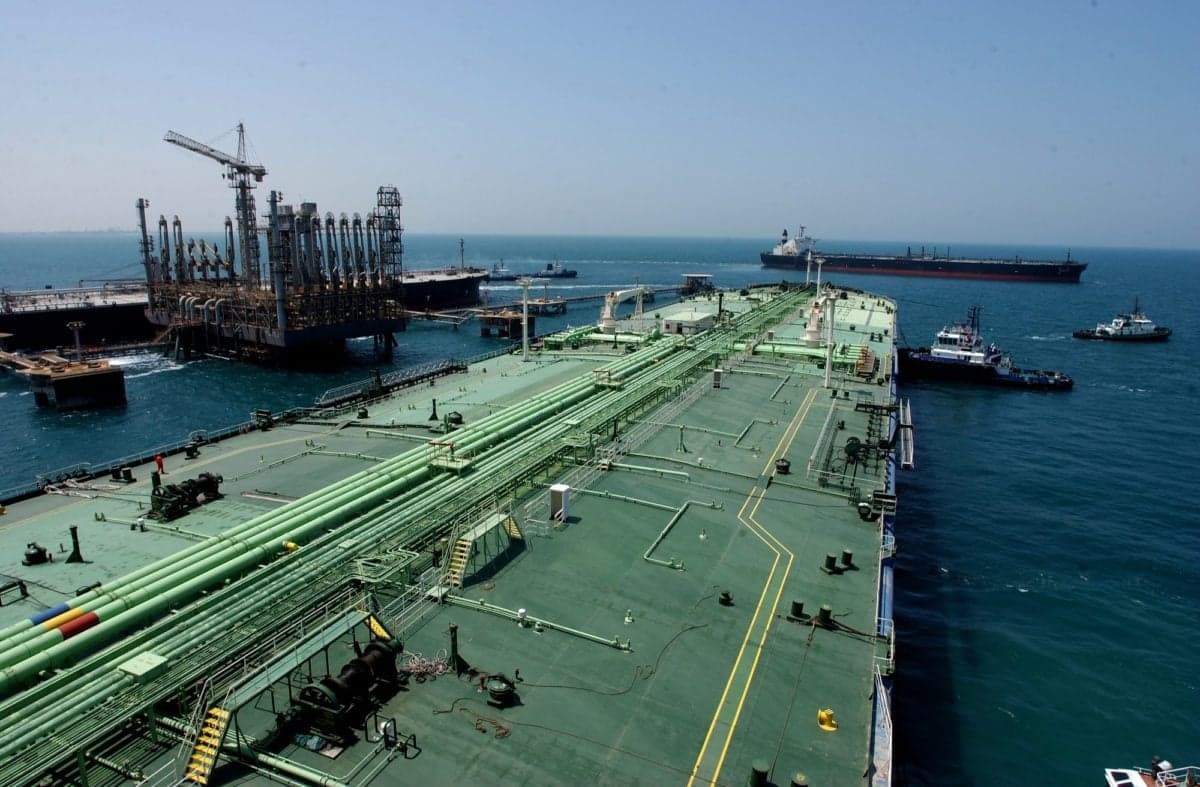
Six Saudi oil tankers are reportedly diverting from the Red Sea, opting for an extended journey around Africa due to Houthi threats

A Houthi strike reportedly caused a Saudi refinery to halt operations, with disruptions projected until mid-August.
Attacks on commercial vessels in critical waterways are disrupting global trade, increasing costs, and altering shipping routes

Saudi Arabia proposes a new multinational maritime defense coalition to protect Red Sea shipping lanes from Houthi attacks
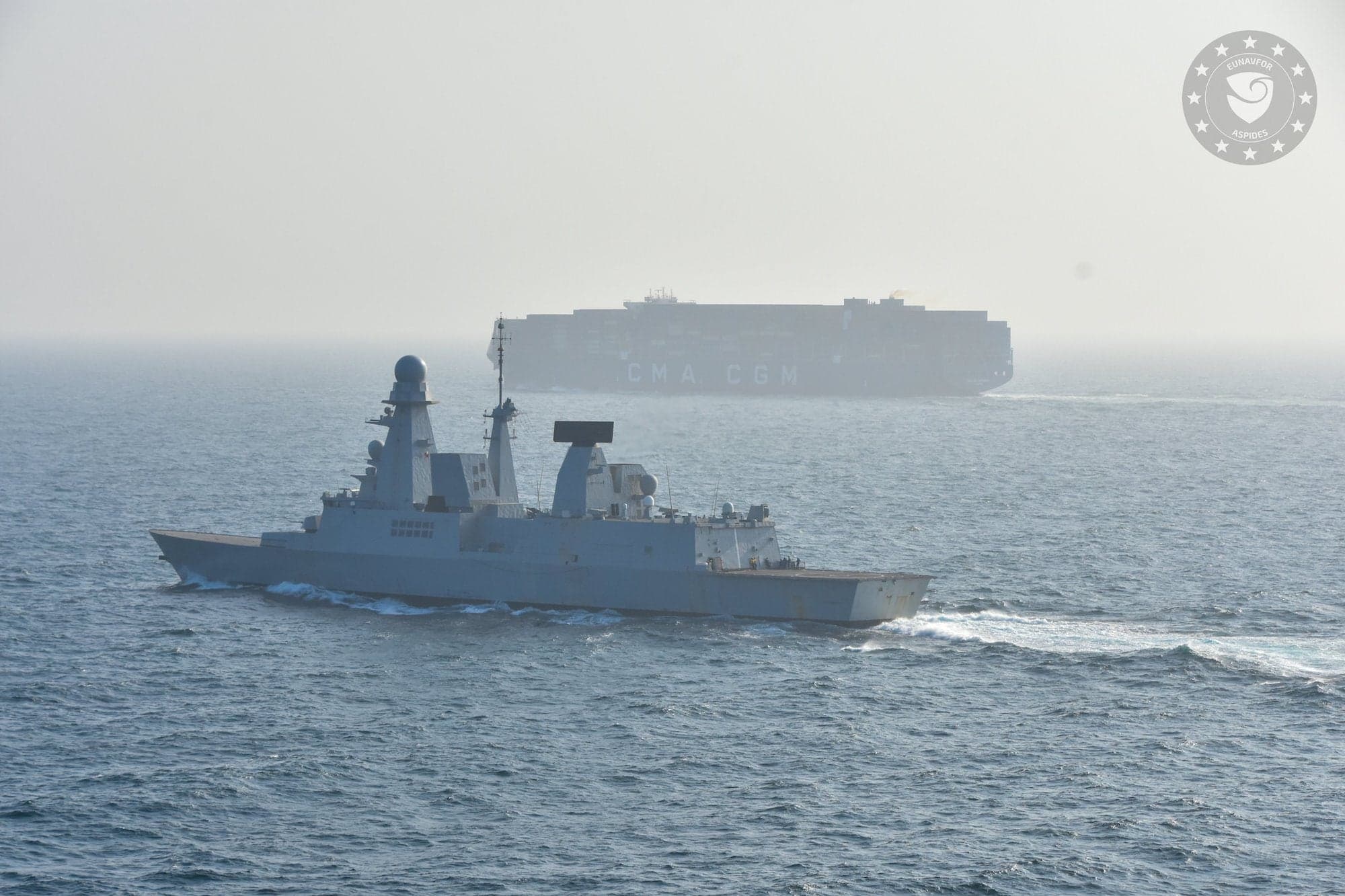
Saudi Arabia plans a multinational maritime defense coalition to protect Red Sea shipping after Houthi attacks disrupted trade
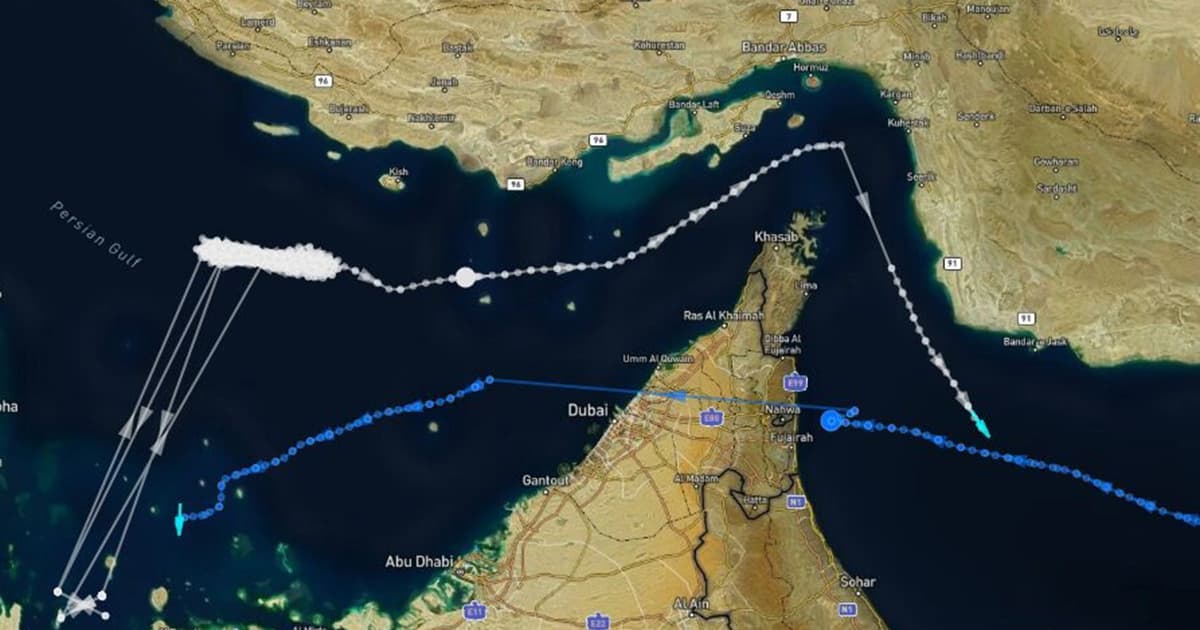
Shipping traffic in the Strait of Hormuz and Bab el-Mandeb has risen, reflecting how vessels are navigating security challenges
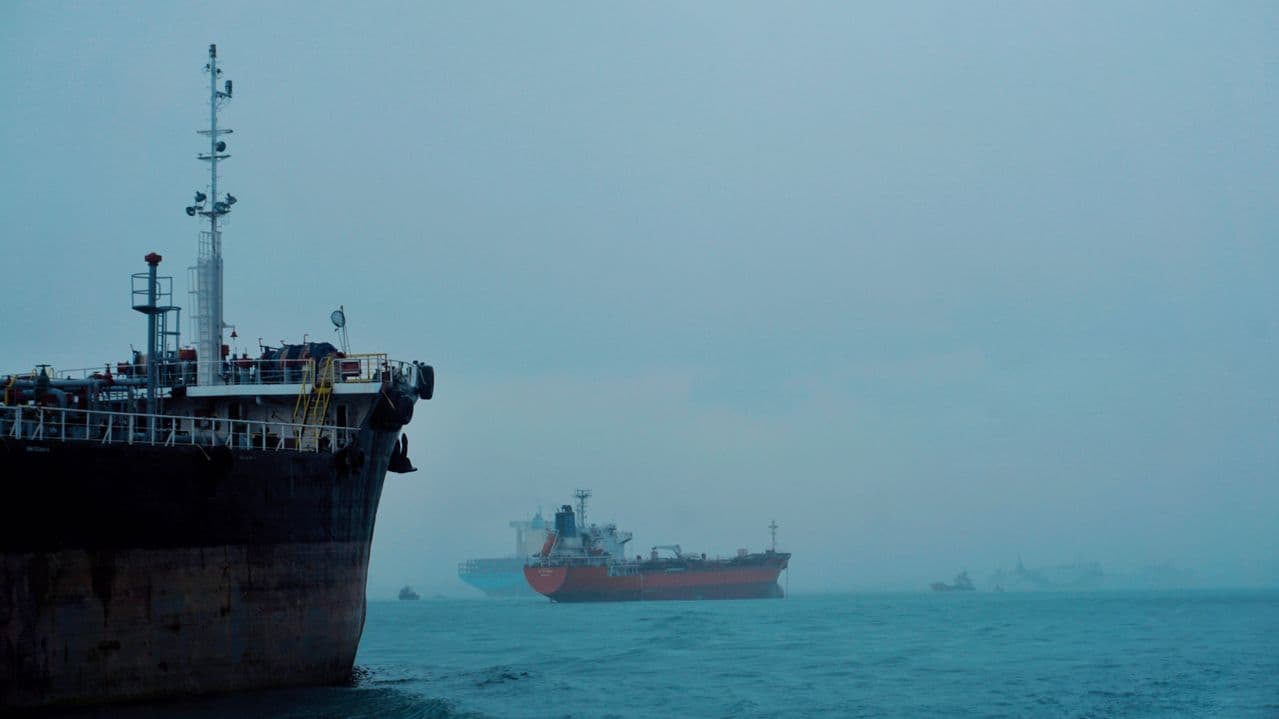
The JWC has expanded its Red Sea high-risk zone to Jizan, while Lloyd's suspends insurance for Saudi tankers
Saudi Arabia's crude oil rerouting due to Houthi actions is tightening tanker supply and driving up freight rates.
Indian oil importers are strategizing for Q4 crude procurement amid heightened concerns over Strait of Hormuz and Bab al-Mandab disruptions
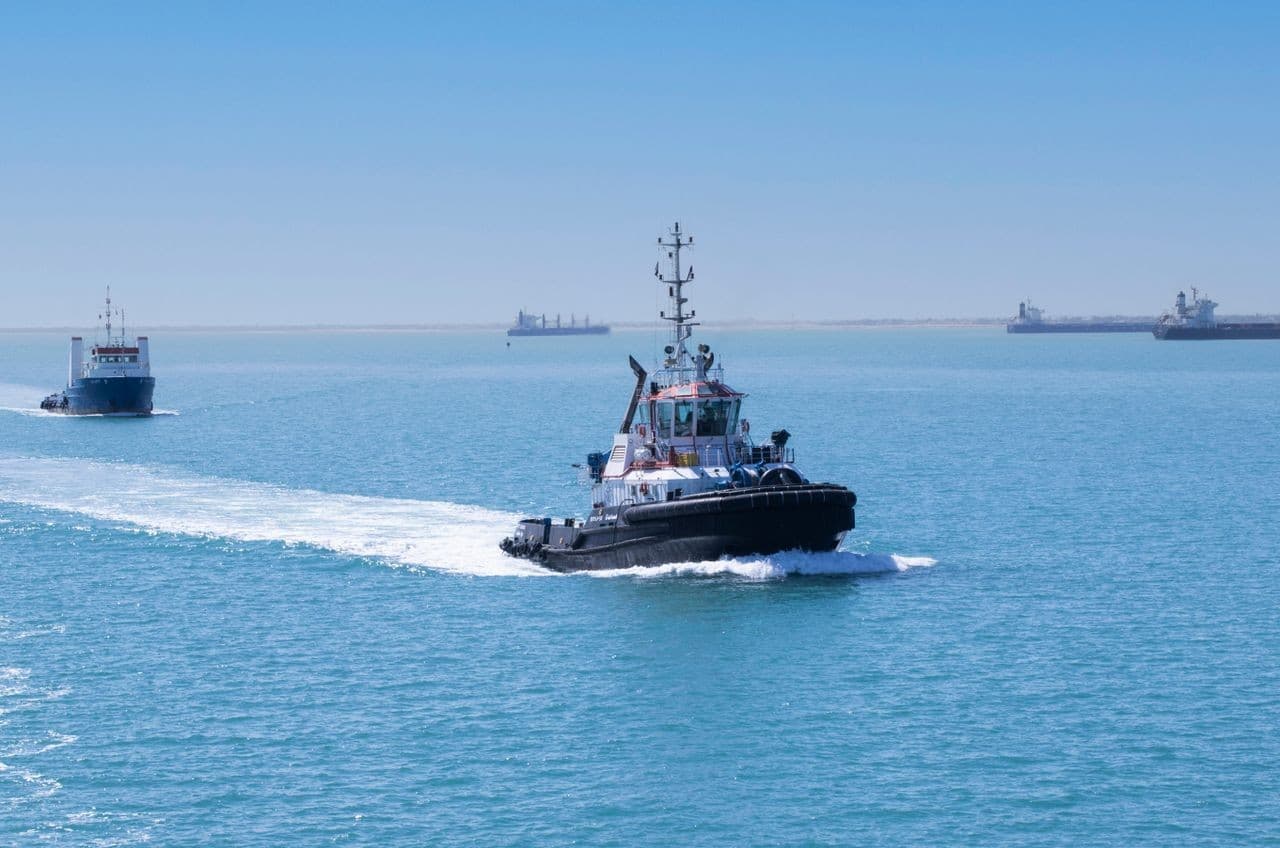
Suez Canal revenues have sharply declined due to persistent Red Sea shipping disruptions and Houthi threats to global trade.
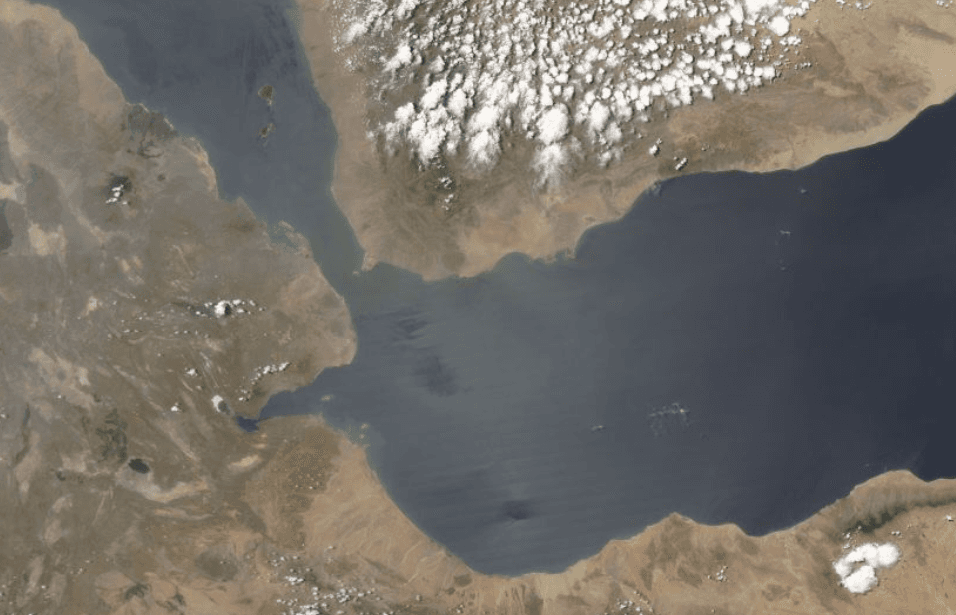
Houthi rebels are reportedly exploring the imposition of transit fees on ships utilizing the Red Sea.
Vessel diversions from the Red Sea are gradually increasing, according to Drewry's latest analysis
A chemical tanker master reported an explosion in the Red Sea, underscoring continued security threats to shipping.
Houthi forces declared a maritime blockade on Saudi ports, closing the Bab al-Mandab Strait and diverting tankers.
The Middle East conflict has escalated with the Houthis imposing a naval blockade against Saudi Arabia, marking a new phase of regional…
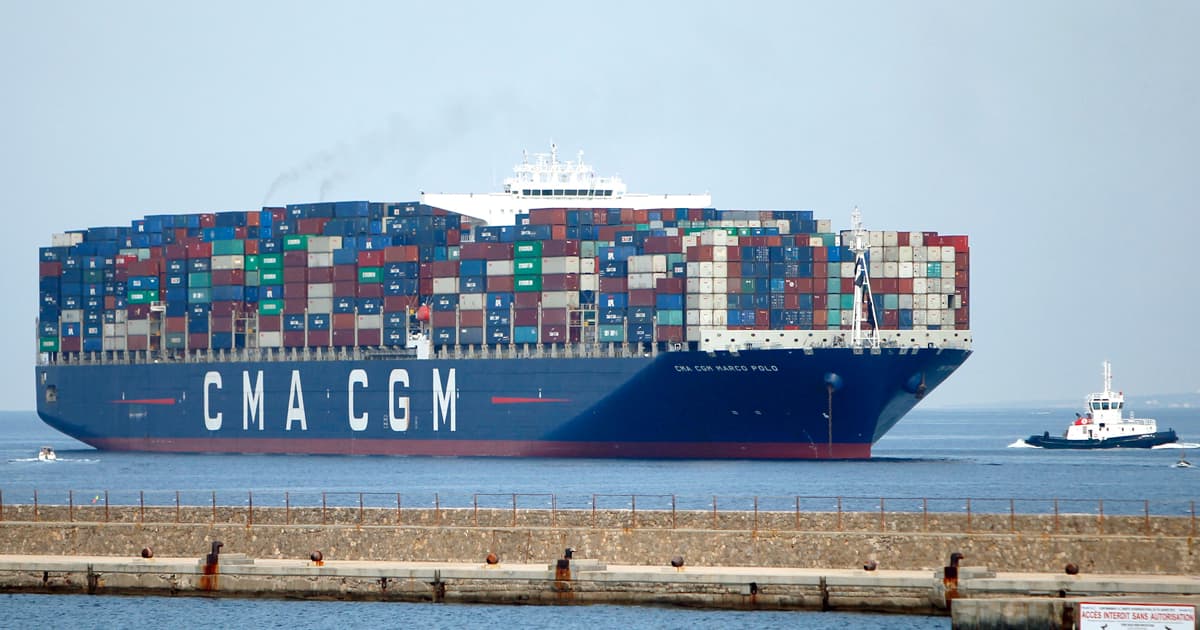
CMA CGM's Q2 profits rose, boosted by stronger Transpacific freight volumes despite new capacity and Mideast war costs.
Red Sea crossings have decreased by 50% as Middle East conflict disruption spreads, according to Clarksons Research.
Houthi attacks on Saudi-linked vessels in the Red Sea have escalated, raising fears for global energy and maritime trade.
Saudi Arabia redirected crude exports to the Red Sea via the East-West Petroline, peaking in March before a 41% decline by June
Attacks on oil tankers in the Strait of Hormuz are escalating, raising concerns for European oil markets.
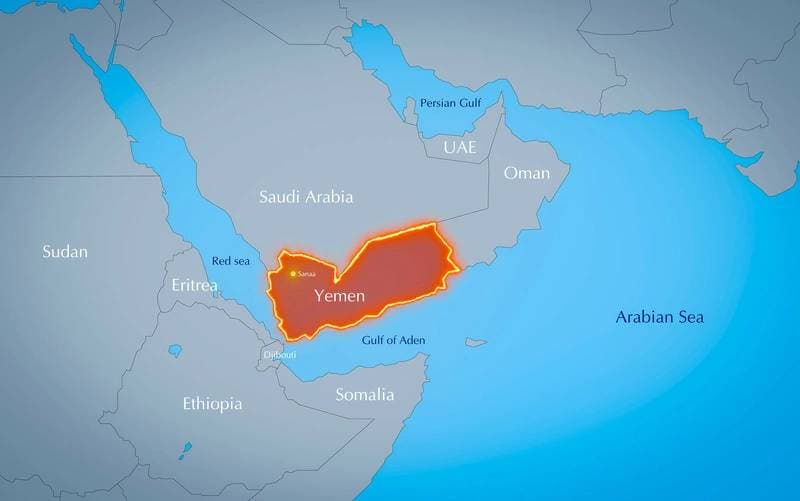
Yemen's Houthi movement aims to replicate Iran's Strait of Hormuz strategy by disrupting Red Sea shipping
Persistent oil price volatility, fueled by shipping disruptions and geopolitical friction, threatens to entrench core inflation.
Maritime diversions from the Red Sea via the Cape of Good Hope are increasing tanker tonne-mile demand and operational costs
Saudi Arabia's oil exports are increasingly dependent on the Suez Canal due to rising Red Sea risks.
Maritime news highlights Red Sea security, record Chinese newbuild orders, and Sealead Shipping's collapse
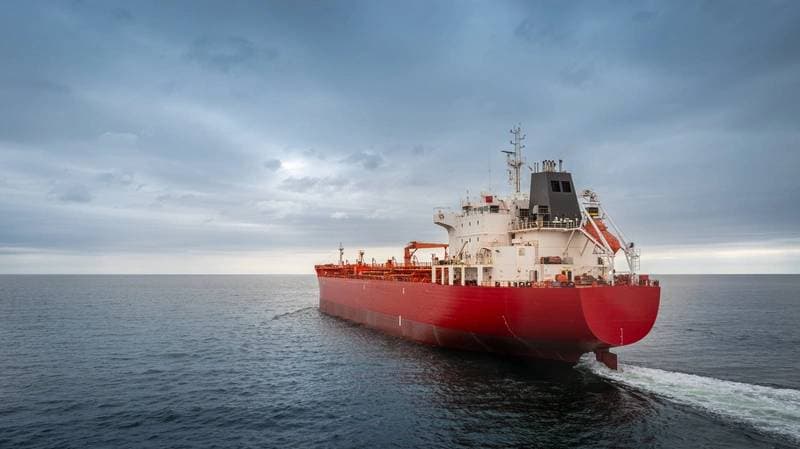
Shipping traffic through the Bab el-Mandeb Strait fell after Houthi attacks on Saudi oil installations.
Tanker freight rates are rising as Red Sea tensions and Houthi threats against Saudi ports cause transit delays and diversions
Houthi forces announced a naval blockade targeting Saudi, Israeli, and US-linked vessels, with Saudi crude exports continuing.
Escalating geopolitical tensions in the Strait of Hormuz and Bab el-Mandeb threaten global shipping routes and freight operations
Browse by mode or open the Intelligence Suite for cross-cutting briefs.