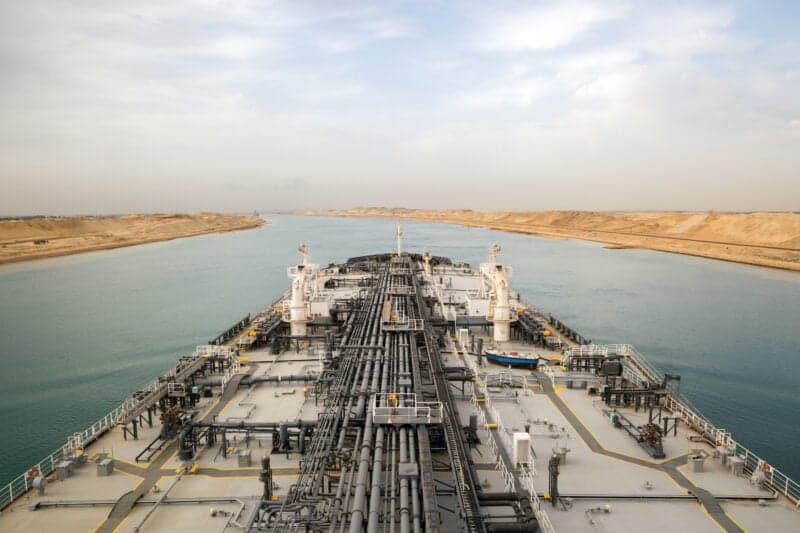
The Suez Canal experienced a substantial increase in oil tanker traffic during April, with transits rising by almost 30%. This surge led to the canal's highest revenue figures since the beginning of 2024. The primary catalyst for this rerouting was the closure of the Strait of Hormuz, a critical chokepoint for global oil shipments. As a result, vessels sought an alternative route through the Red Sea, directly impacting Suez Canal usage.
For freight forwarders and operations managers, this development signifies a critical shift in energy logistics. While the article focuses on oil tankers, any prolonged disruption or closure of a major chokepoint like the Strait of Hormuz can create ripple effects across all shipping sectors. Forwarders should monitor such geopolitical events closely, as they can lead to increased transit times, higher fuel costs due to longer routes, and potential congestion at alternative passages like the Suez Canal. This situation underscores the importance of route flexibility and contingency planning in supply chain management.
Should the Strait of Hormuz remain closed or face continued instability, the Suez Canal could see sustained elevated traffic, potentially leading to increased waiting times or higher transit fees. Shippers and forwarders involved in oil and gas logistics, or those whose supply chains rely on Middle Eastern crude, will need to factor in these routing changes and associated costs.