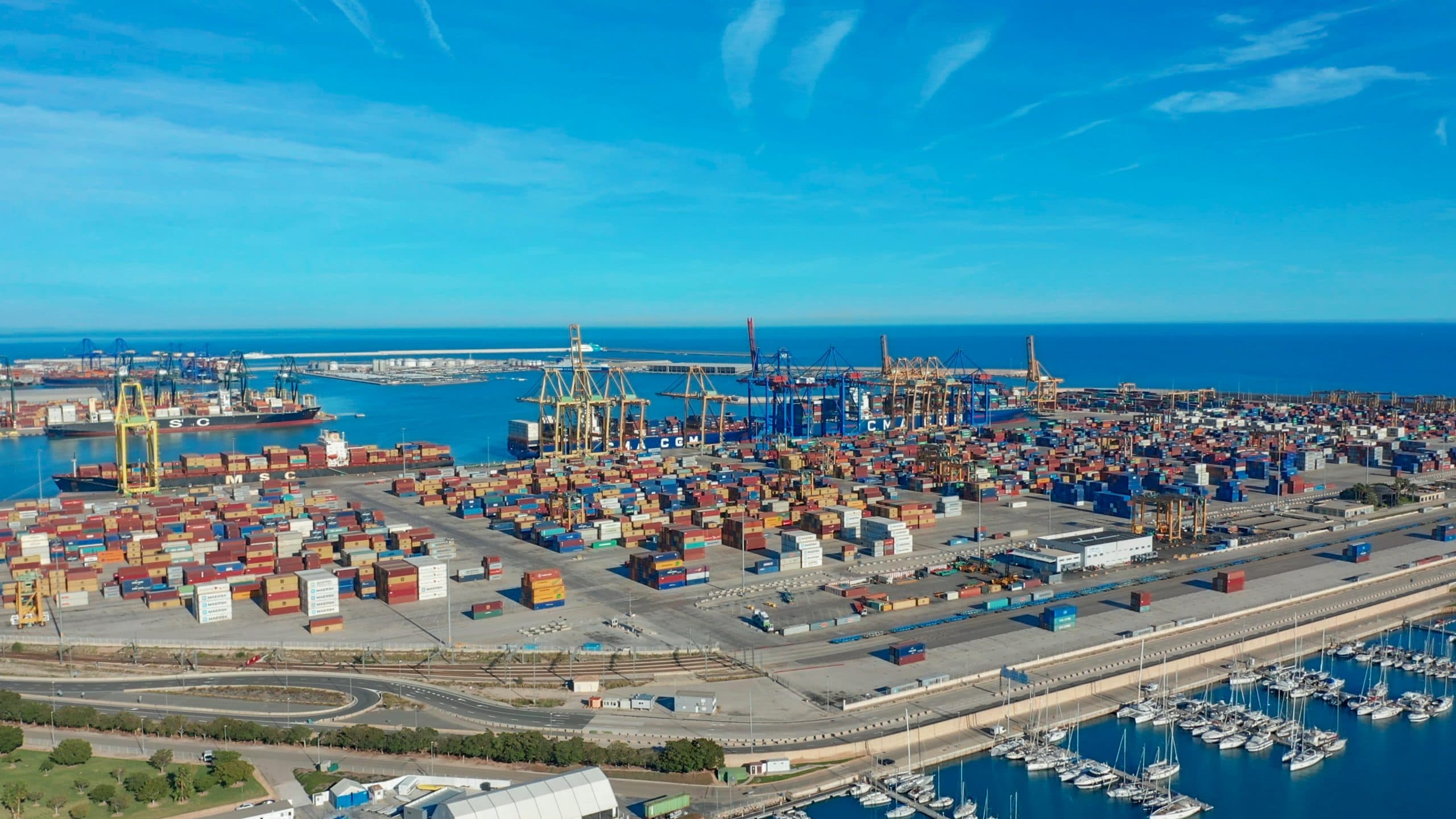
Ocean carriers are notifying shippers to anticipate additional expenses and extended transit times for cargo moving through Mundra Port, India's busiest container gateway. The port is grappling with severe rail congestion, which is creating bottlenecks for inland transportation.
This congestion is primarily attributed to an increase in transshipment volumes, as cargo is being rerouted away from traditional paths due to ongoing geopolitical instability in the Middle East. The diversion of vessels and subsequent influx of containers at Mundra is straining the port's rail infrastructure, leading to operational inefficiencies.
For freight forwarders and operations managers, this situation means potential disruptions to planned schedules and increased demurrage or detention charges. Forwarders should proactively communicate with their clients about possible delays and explore alternative inland transport options or routing where feasible. The added costs will likely be passed on to shippers, affecting overall landed costs for goods. Capacity on rail networks from Mundra may also be constrained, requiring more flexible planning for cargo distribution.
It is anticipated that these delays and cost increases will persist as long as the regional geopolitical situation continues to impact shipping routes and transshipment patterns.