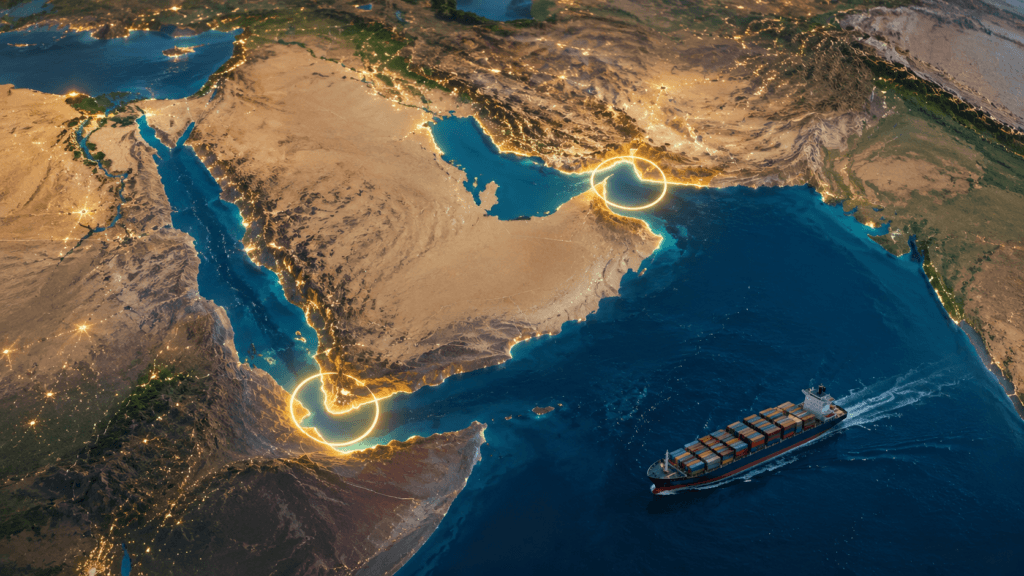
The recent signing of a Memorandum of Understanding (MoU) between the United States and Iran on June 14 does not signify a return to normal for global maritime operations. While this agreement may conclude one phase of the ongoing crisis, the fundamental geopolitical factors contributing to the dual chokepoint disruptions remain active. This suggests that the maritime industry should anticipate continued challenges and volatility.
For freight forwarders and operations managers, this implies that the instability affecting critical shipping lanes, such as the Red Sea and potentially the Panama Canal, will likely endure. This ongoing uncertainty could lead to sustained longer transit times, increased fuel costs due to rerouting, and potential surcharges. Forwarders should continue to factor in these risks when planning routes, quoting rates, and managing client expectations regarding delivery schedules. Capacity might also remain tight on certain lanes as carriers adjust their networks to navigate these persistent chokepoint issues.