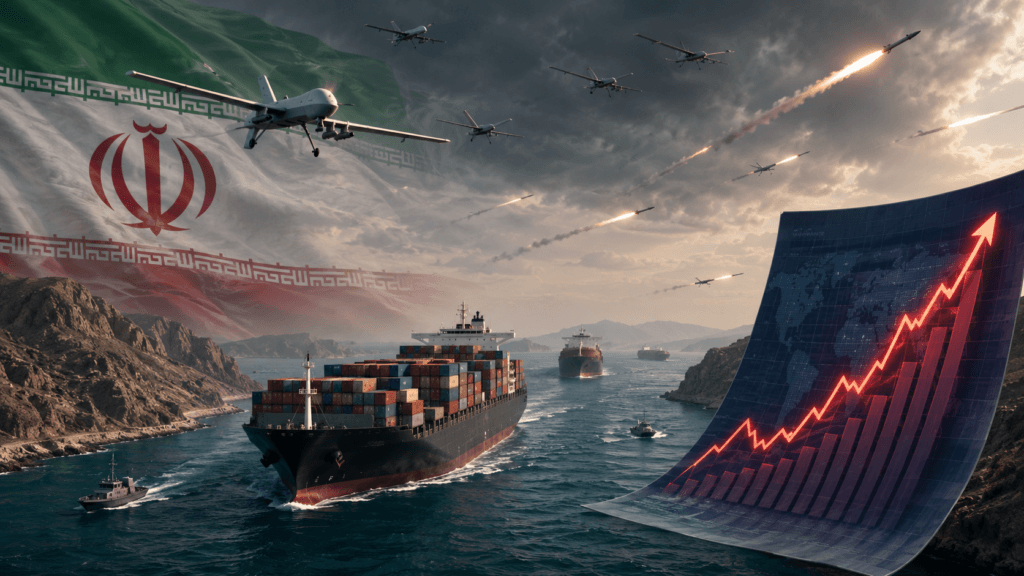
The international shipping sector is navigating a period of significant upheaval, driven by three interconnected factors. Firstly, there is an increase in "dark transits," where vessels operate without broadcasting their Automatic Identification System (AIS) signals, making their movements opaque and complicating supply chain visibility. Secondly, the market is experiencing a "secondary rate contagion," meaning that initial freight rate increases in one trade lane are triggering ripple effects and driving up costs across other routes. Finally, the Houthi blockade in the Red Sea has intensified, posing renewed threats to commercial shipping and forcing rerouting decisions.
For freight forwarders and operations managers, this situation translates into heightened complexity and unpredictability. The lack of AIS data for some vessels makes tracking and scheduling more challenging, increasing the risk of delays and requiring more robust contingency planning. The widespread rate increases will necessitate frequent re-evaluation of pricing strategies and direct communication with shippers regarding fluctuating costs. Furthermore, the renewed Houthi threat means continued diversions around the Cape of Good Hope, extending transit times and increasing fuel consumption, which will impact capacity availability and overall shipping costs on Asia-Europe and other affected trade lanes.