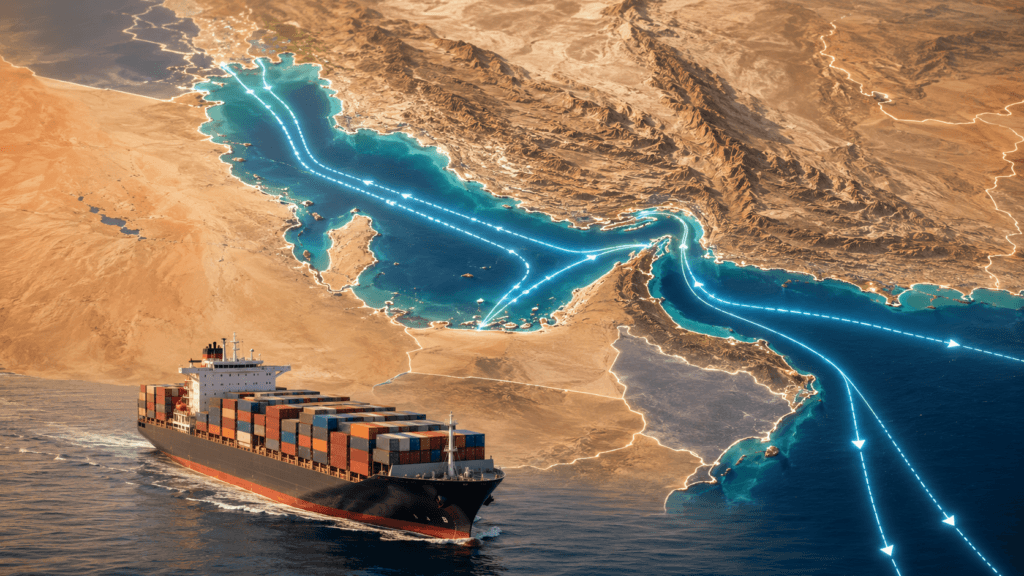
For an extended period, the prevailing belief within the shipping industry has been that disruptions at chokepoints, such as the Strait of Hormuz, are primarily a routing challenge. The assumption is that if a passage becomes inaccessible or contested, operators can simply reroute vessels to maintain continuity. However, this perspective overlooks the persistent geopolitical control exerted by regional powers over these strategic maritime areas.
Even when alternative land or sea corridors are proposed or developed, they often remain subject to the influence or direct control of the same geopolitical actors, or new ones with similar interests. This means that the fundamental issue is not merely one of physical passage but of administered passage, where states can dictate terms, impose restrictions, or leverage transit for political or economic gain. The idea that rerouting offers a complete bypass of this administered regime is therefore largely unfounded.
For freight forwarders and shippers, this implies that simply identifying new physical routes may not resolve underlying risks. Instead, they must contend with the ongoing potential for political interference, tariffs, security concerns, or delays, regardless of the chosen path. Understanding the geopolitical landscape and its impact on all potential corridors is crucial for effective risk management and supply chain planning. This situation underscores the need for forwarders to factor in political stability and regional power dynamics when assessing transit options and negotiating contracts, as these elements can significantly affect transit times, costs, and reliability.