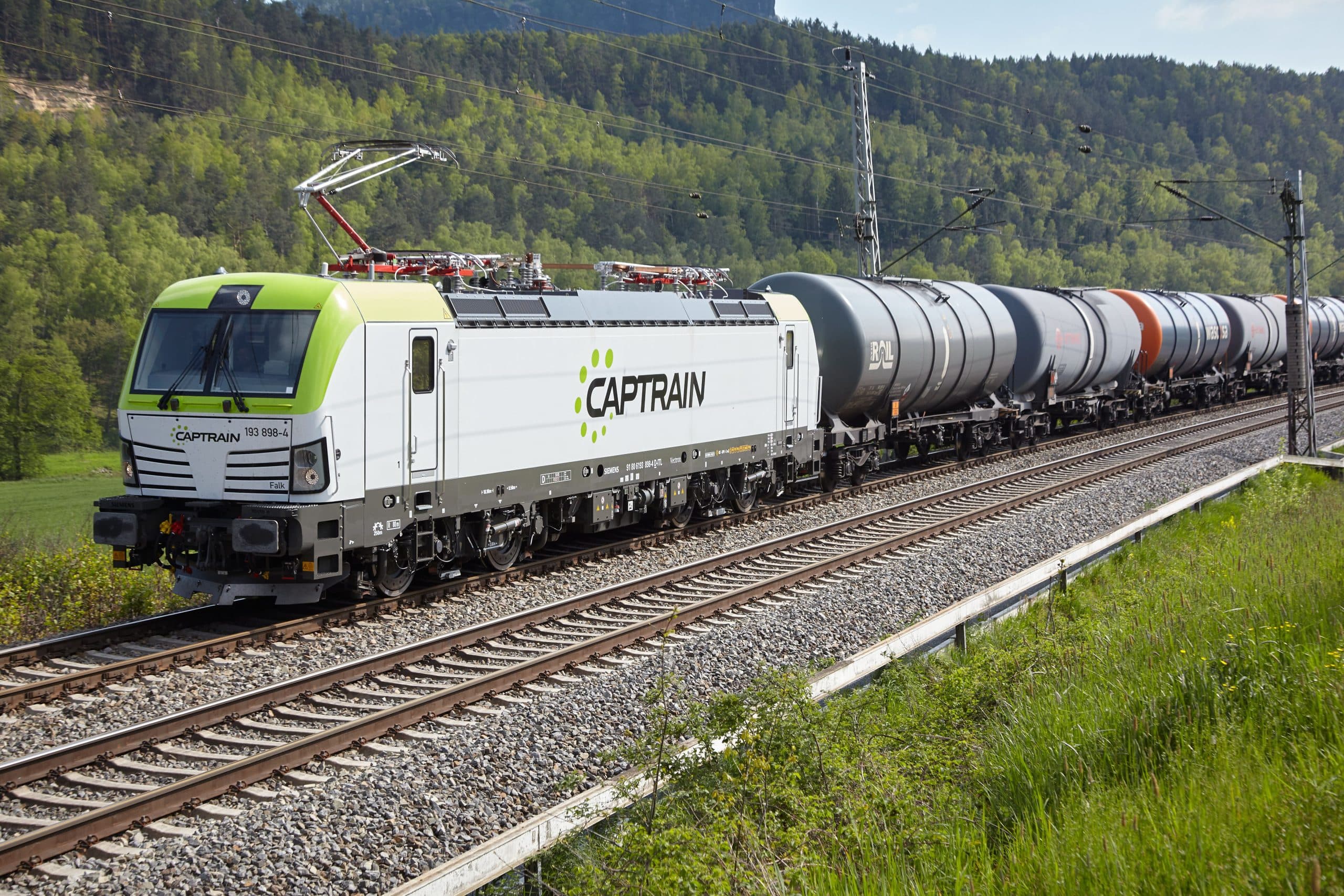
Rail freight volumes between China and Europe, traversing routes through Russia, saw a substantial increase of almost 1.5 times in 2025, a trend that is reportedly continuing. This growth is primarily influenced by the persistent geopolitical instability in the Middle East, which has led to disruptions and uncertainties in maritime shipping lanes, particularly the Red Sea.
For freight forwarders and operations managers, this trend signifies a notable shift in supply chain strategies. The increased reliance on the northern rail corridor offers a more predictable transit time compared to sea routes impacted by diversions around the Cape of Good Hope or heightened war risk premiums. While potentially offering faster transit, forwarders must carefully assess the geopolitical implications and potential sanctions risks associated with routing cargo through Russia. This could impact carrier selection, insurance costs, and compliance requirements. Capacity on these rail routes may also become tighter, potentially affecting rates and booking lead times.
This development suggests that shippers are actively seeking alternatives to mitigate risks associated with maritime disruptions, favoring land-based connections despite the geopolitical complexities.