Maersk has restarted sending its container ships through the Red Sea, specifically via the Bab el-Mandeb Strait, after a three-month suspension. This decision comes as the global container shipping market continues to face a shortage of available vessels and significantly increased charter rates.
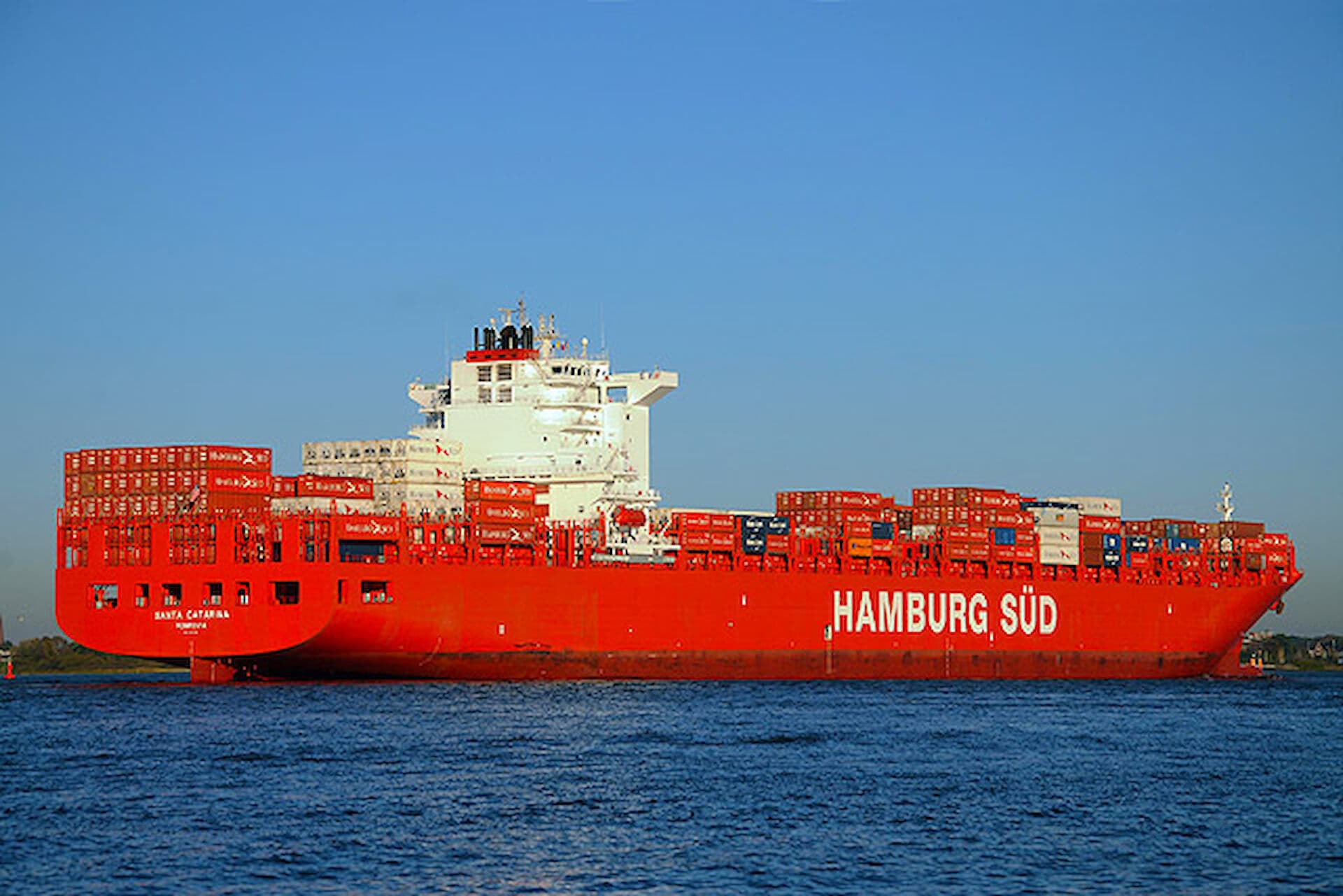
The initial vessels identified making this transit are the 7,154 TEU *Santa Catarina Maersk* and the 8,648 TEU *Clementine Maersk*. The move indicates a strategic adjustment by Maersk to optimize its fleet deployment and service offerings in response to market pressures.
For freight forwarders and shippers, Maersk's return to the Red Sea route could lead to more direct and potentially faster transit times for cargo moving between Asia and Europe, bypassing the longer route around the Cape of Good Hope. This might alleviate some pressure on vessel capacity and could, in the long term, influence freight rates on these key trade lanes. However, the ongoing security situation in the region means that war risk premiums and potential disruptions remain a factor, which forwarders must consider when planning shipments and advising clients.