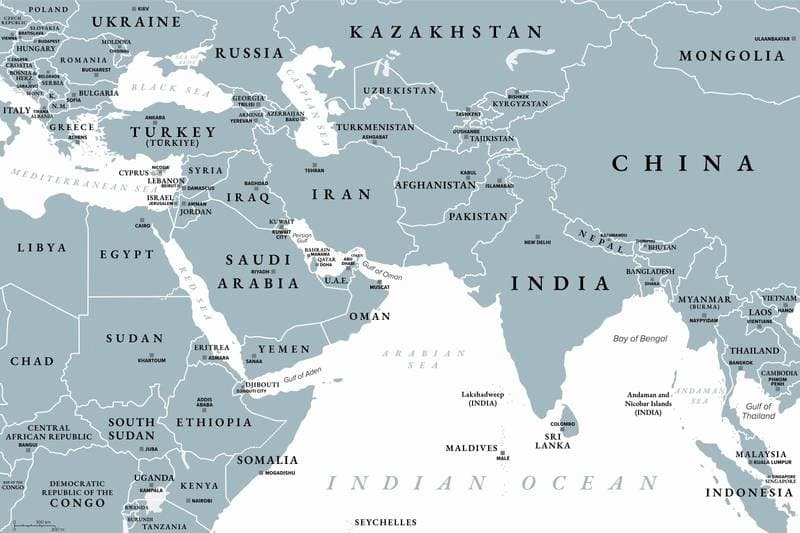
Yemen's Houthi movement, aligned with Iran, declared on Monday its intention to prohibit Israeli-linked vessels from navigating the Red Sea. This announcement follows a reported missile strike, further intensifying the security challenges for international shipping in the Middle East. The group's statement indicates a direct escalation of its involvement in regional conflicts.
This development introduces considerable uncertainty and risk for freight forwarders and shippers. Vessels with any perceived connection to Israel may face increased targeting, potentially leading to diversions, delays, and higher insurance premiums. Forwarders will need to closely monitor vessel affiliations and routing options, as capacity in alternative routes may become constrained, and operational costs are likely to rise due to war risk surcharges. The situation could necessitate re-evaluating existing contracts and seeking flexible booking options.
The Houthis' actions are expected to exacerbate the already complex geopolitical landscape affecting maritime trade, particularly through critical chokepoints like the Bab el-Mandeb Strait and the Suez Canal. The threat of direct attacks on commercial shipping in this vital waterway could lead to broader disruptions across global supply chains.