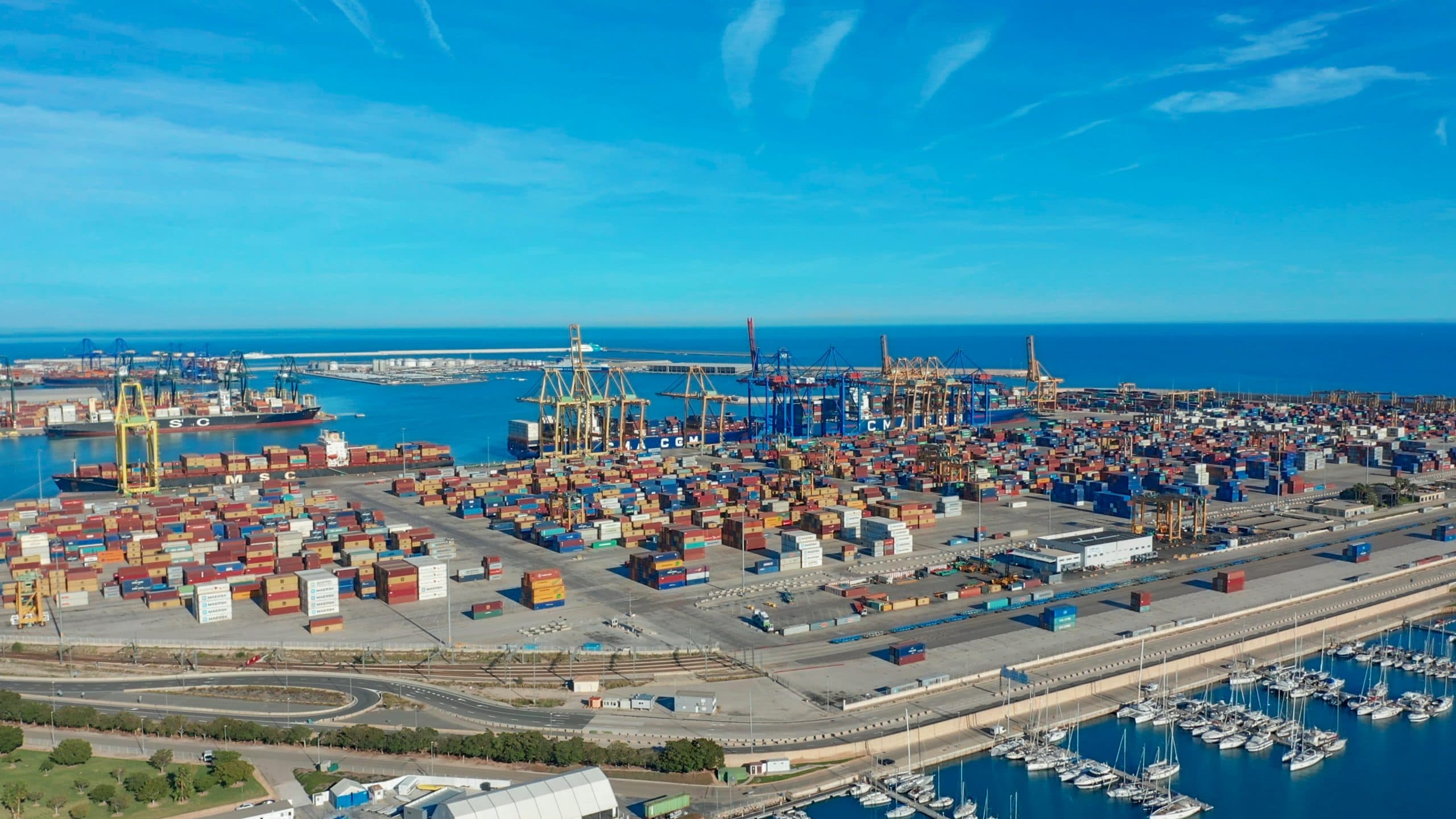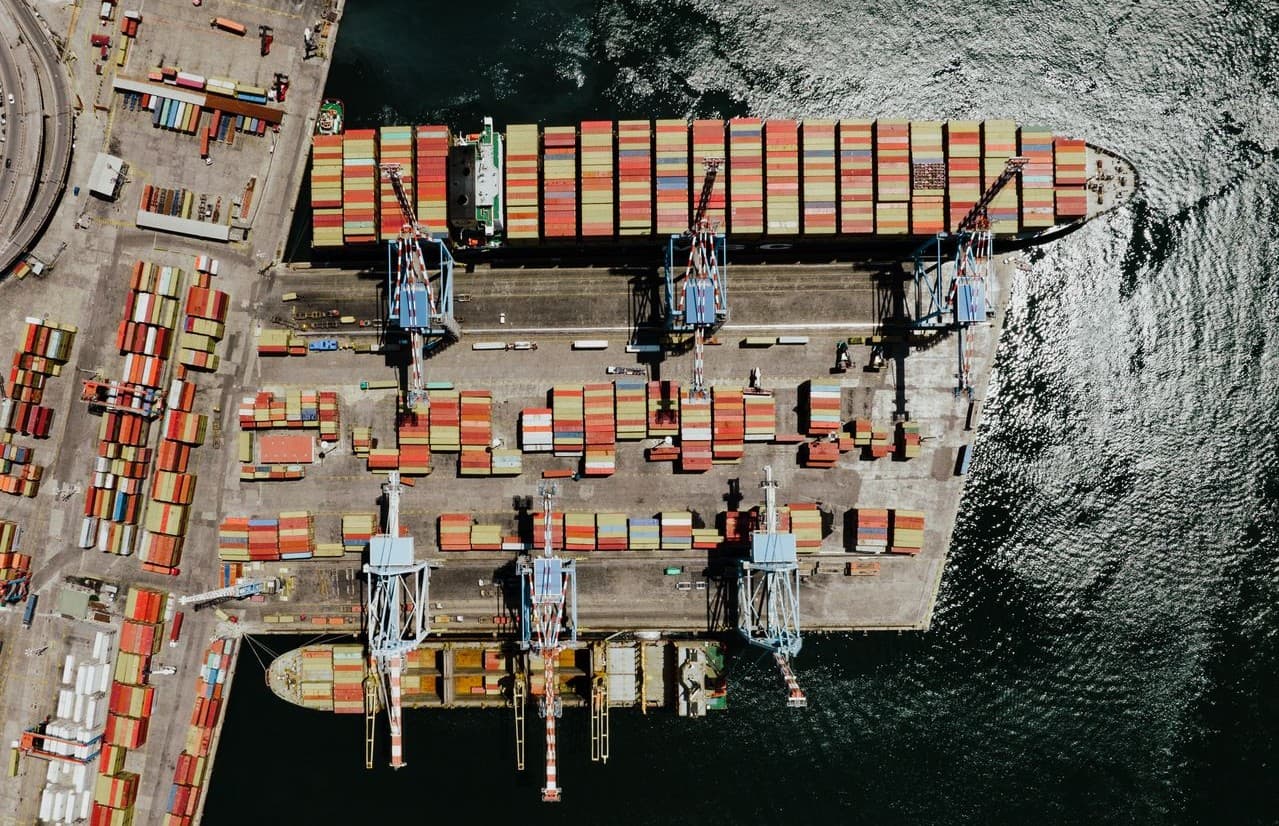
A recent report, the CPPI2025, indicates that ports are increasingly acting as "shock amplifiers" within global trade. The study links ongoing vessel delays, port congestion, and the rerouting of ships, particularly those avoiding the Red Sea, to widespread risks affecting international shipping, container movements, and overall logistics networks. This suggests that rather than merely processing cargo, ports are exacerbating existing supply chain vulnerabilities.
For freight forwarders and operations managers, this means that port performance is a critical factor in shipment planning and execution. Increased congestion and delays at key ports can lead to longer transit times, higher demurrage and detention charges, and potential disruptions to onward multimodal connections. The need for robust contingency planning, real-time visibility into port conditions, and flexible routing options becomes even more paramount to mitigate these amplified risks and maintain schedule reliability.