97d ago·Hellenic Shipping News
Oil Prices Rise Amid US-Iran Talks Uncertainty, US Production Dampens Gains
Oil prices nudged higher driven by US-Iran talks uncertainty, though record US production limited significant gains
Latest coverage tied to this risk region from our curated freight publishers, across the topics that define it.
Oil prices nudged higher driven by US-Iran talks uncertainty, though record US production limited significant gains
The White House is reportedly exploring alternatives to the current Iran nuclear agreement, potentially impacting maritime security.
June's maritime landscape was defined by Strait of Hormuz tensions and a sharp rise in container freight rates.
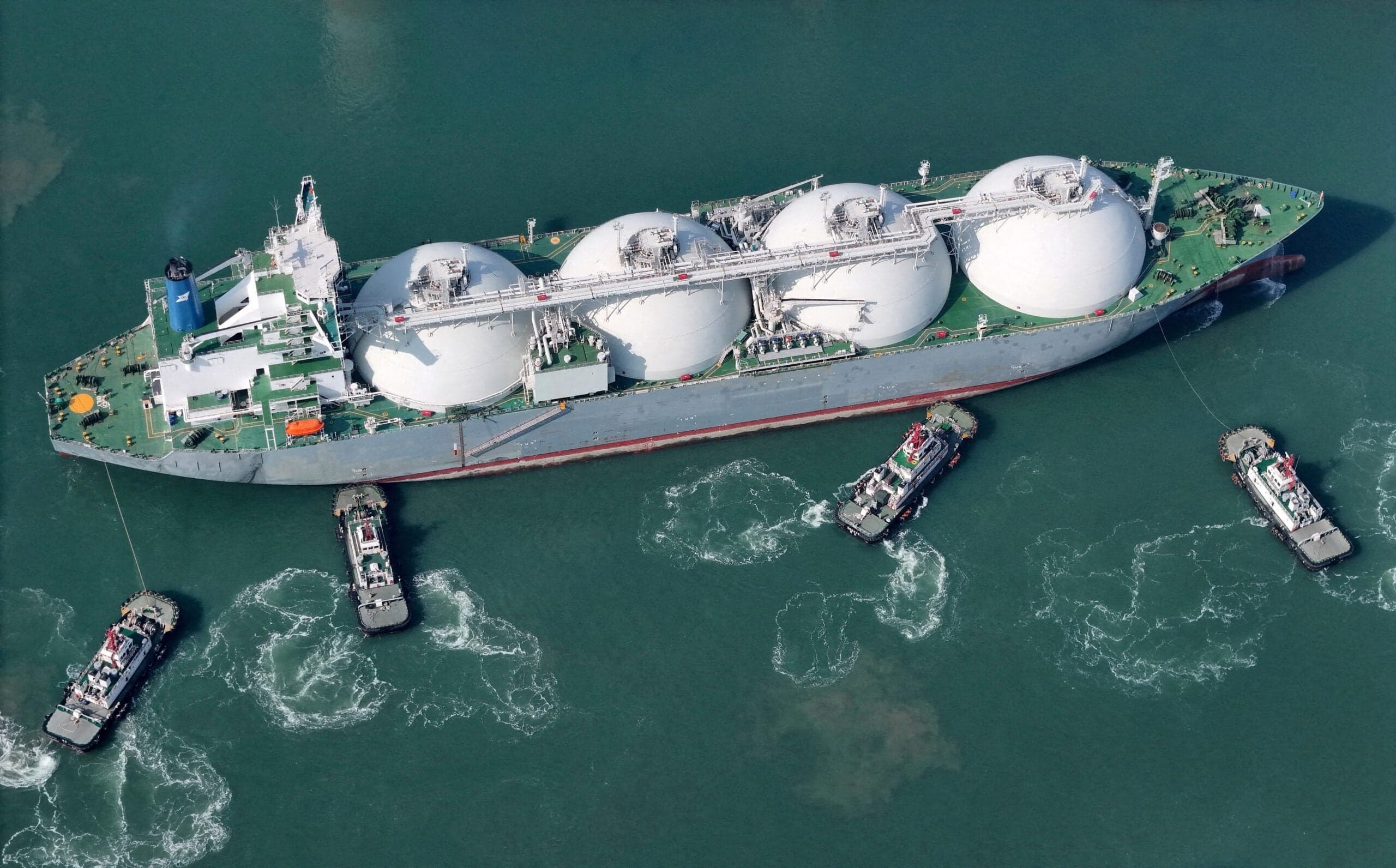
Shell forecasts that Strait of Hormuz disruptions could lead to flat global LNG trade in 2026, with growth resuming in 2027
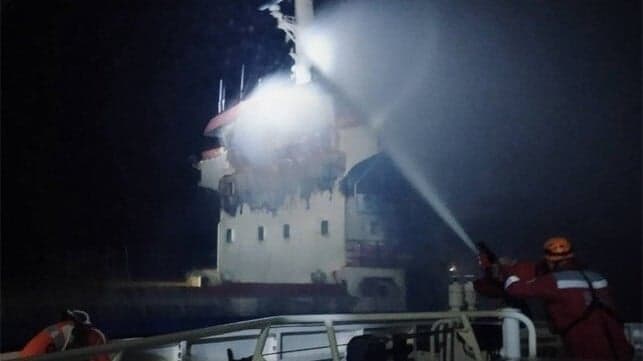
Ukraine has issued a new warning to the IMO regarding ships aiding Russia in occupied Ukrainian territories.
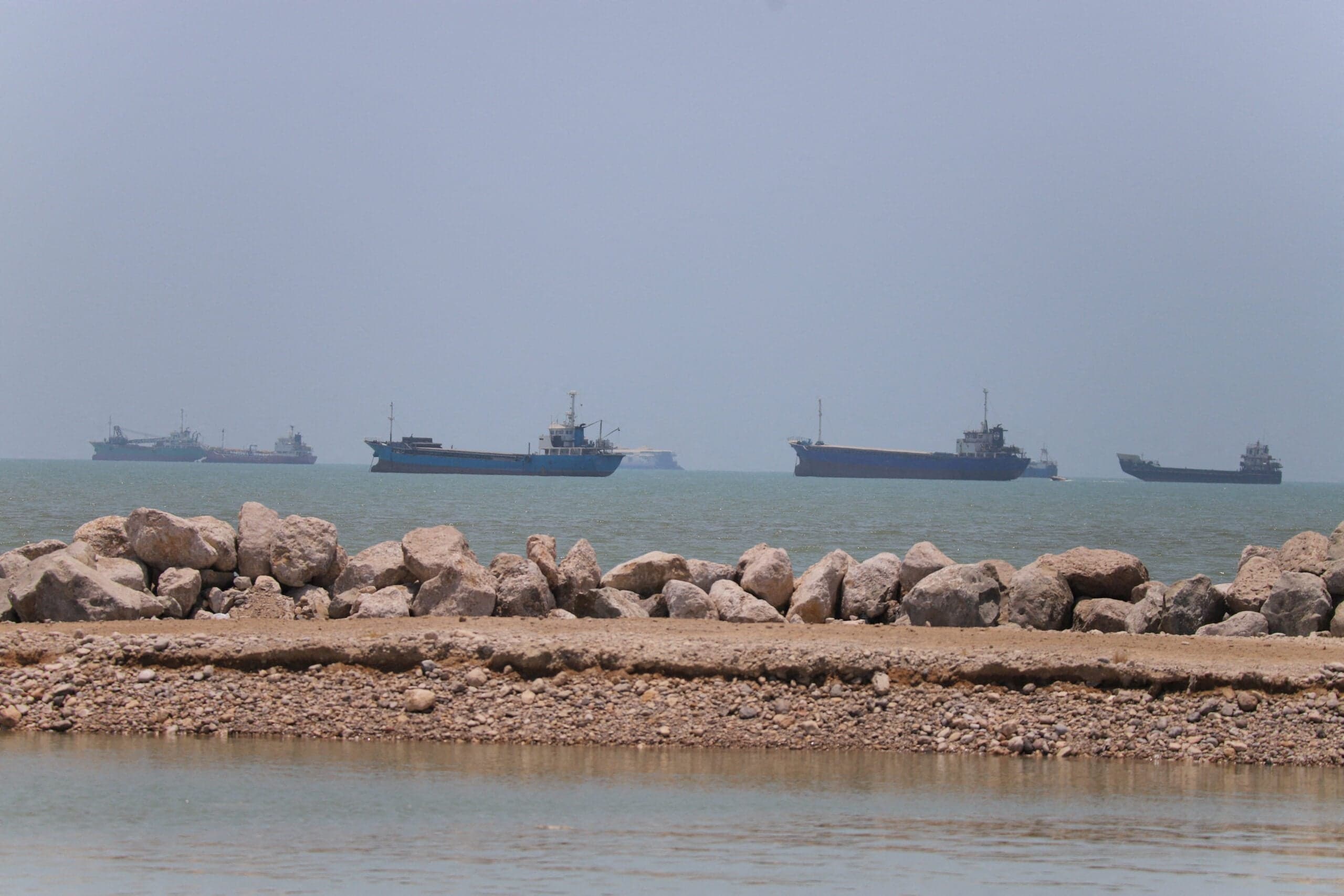
Iran reiterated its determination to control maritime traffic through the Strait of Hormuz, raising stakes before new talks.
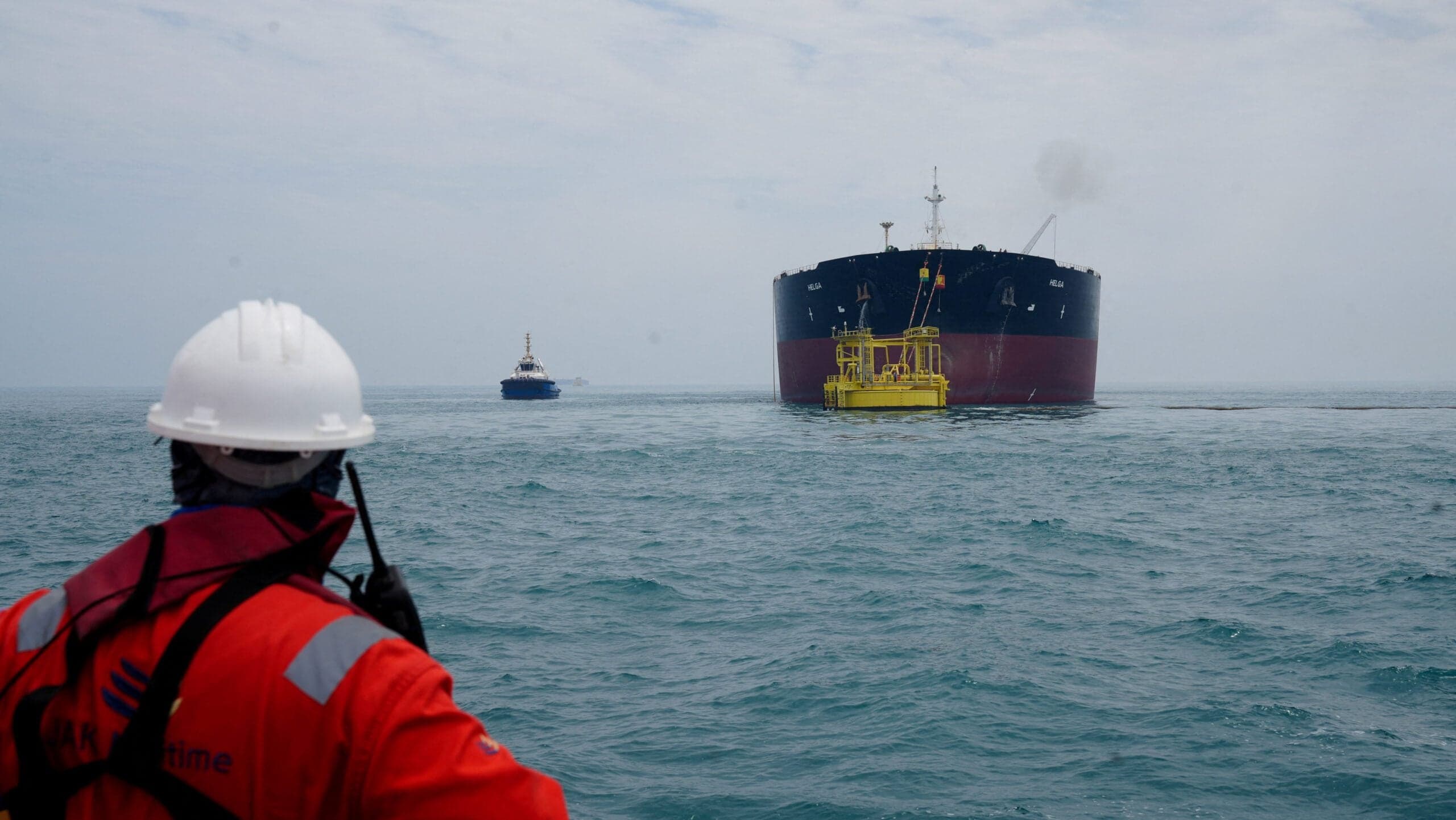
The UN warns that economic fallout from the 100-day Strait of Hormuz crisis will persist despite shipping recovery
The NCTV has identified an increased risk of terrorist attacks stemming from the ongoing conflict involving Iran.

Oil tanker operators are acting on signals that the Strait of Hormuz is reopening, influencing freight rates.

Global airfreight rates are showing signs of easing, with a 5% weekly decline attributed to the US-Iran ceasefire.
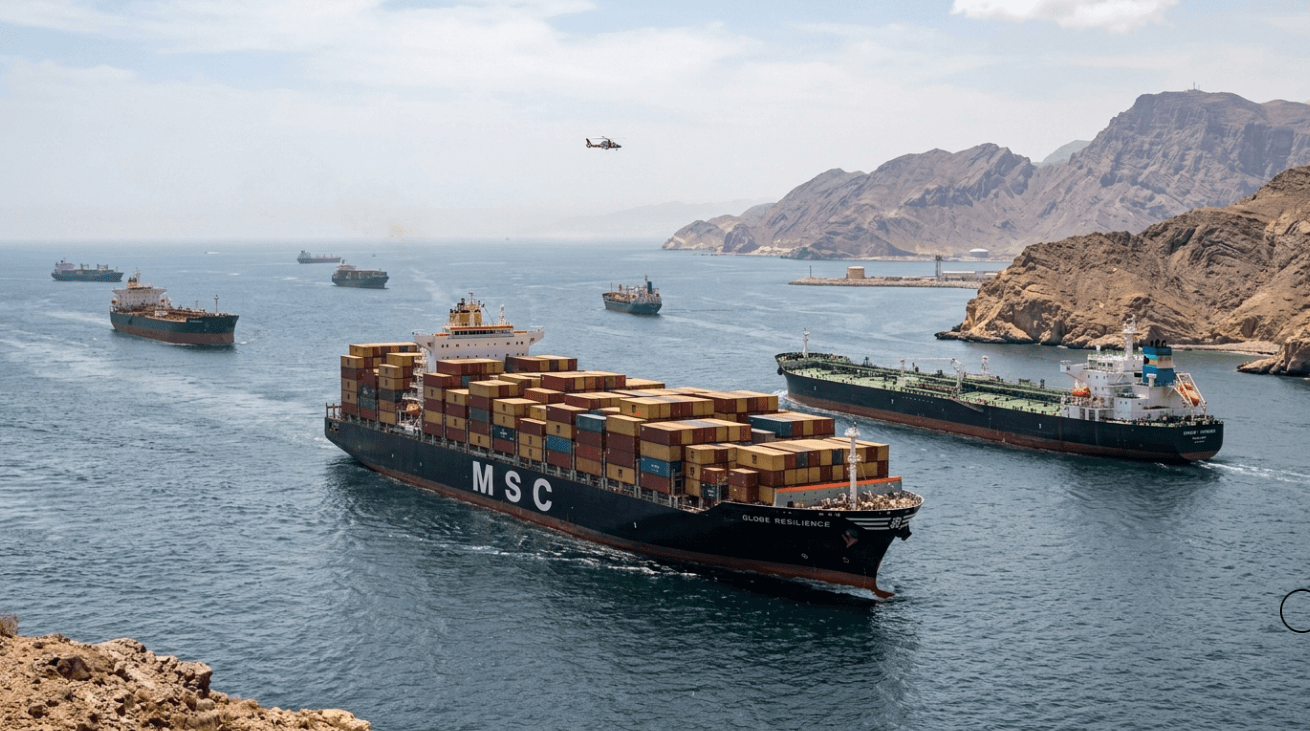
Disruptions in the Strait of Hormuz are forcing global supply chains to prioritize resilience over efficiency.
The VLCC market adapted to the Strait of Hormuz closure in Q2 2026, leading to significant rerouting of crude oil shipments
Maritime traffic through the Strait of Hormuz remains stable despite geopolitical tensions and stalled peace talks.
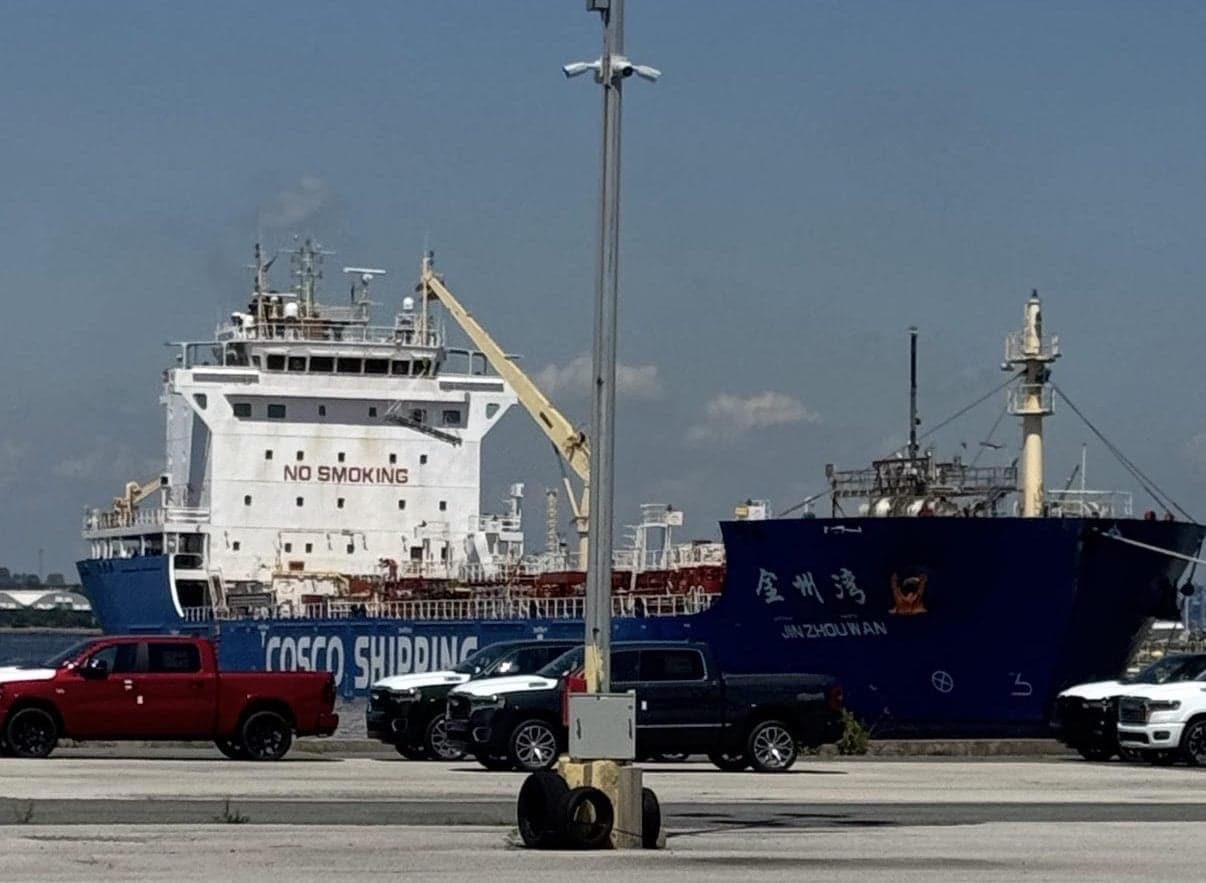
A Chinese-owned tanker completed its second U.S. coastwise asphalt shipment using an emergency Jones Act waiver.
A ceasefire on June 24 has allowed for the gradual resumption of commercial shipping in the Persian Gulf.
Fuel-related charges surged over 100% due to the Iran conflict, with carriers adding emergency bunker surcharges.
Commercial transits through the Strait of Hormuz have plummeted by 90% due to recent kinetic incidents and a suspended evacuation corridor
European natural gas prices rose over 1% on Monday, driven by Middle East geopolitical risks and LNG shipping disruption fears
The US and Iran have reportedly agreed to stop tit-for-tat attacks in the Strait of Hormuz, allowing free vessel transit.
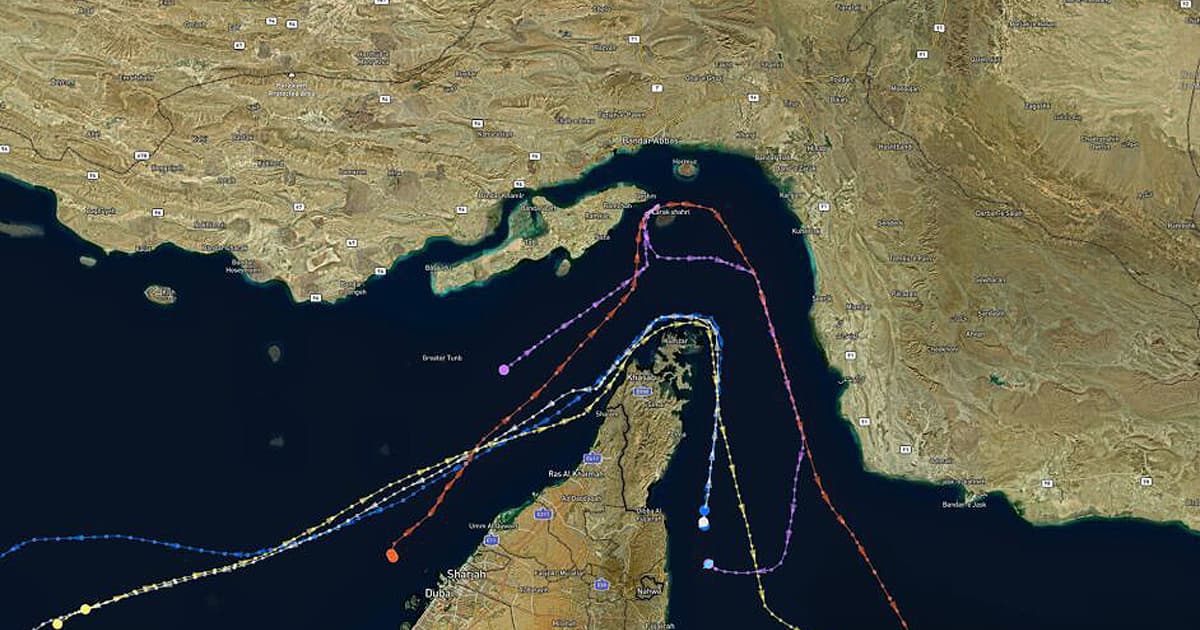
Tanker traffic in the Strait of Hormuz has fallen due to recent vessel attacks, impacting global oil supply.
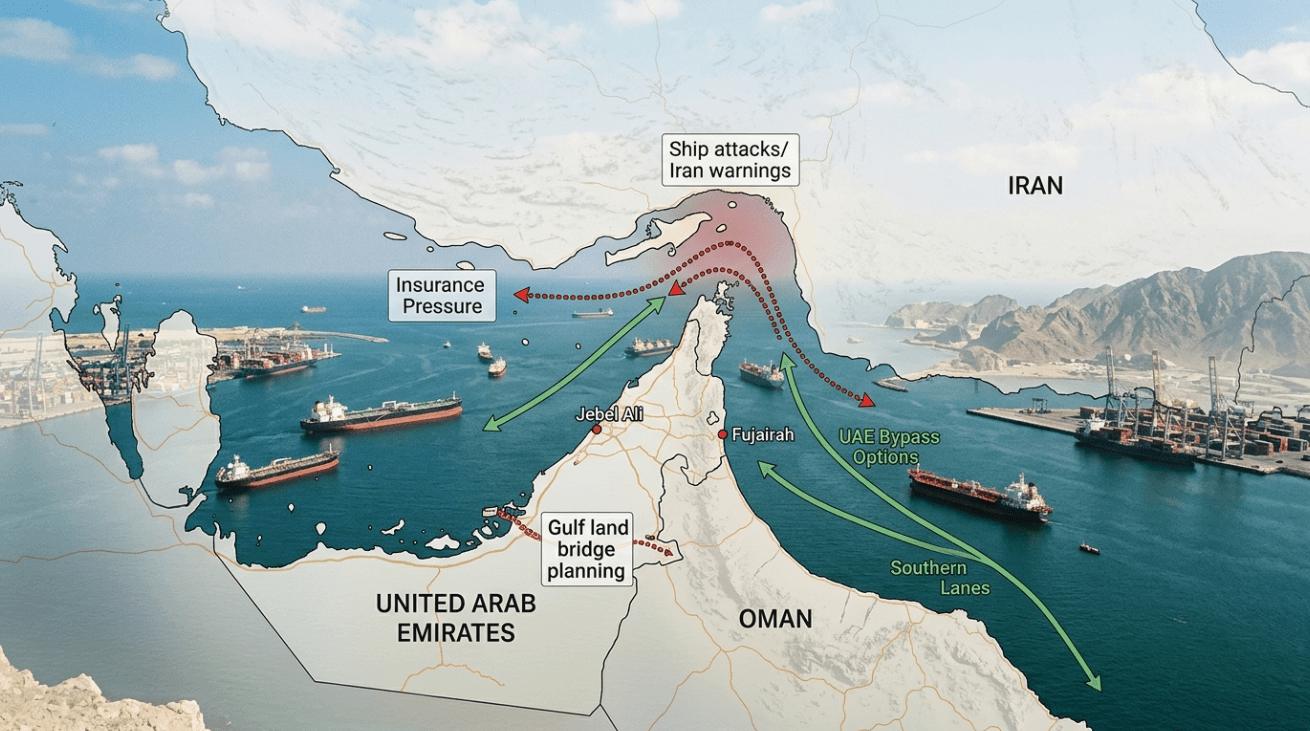
Shipowners are assessing alternative routes around the Strait of Hormuz due to Iran's warnings and rising insurance premiums.
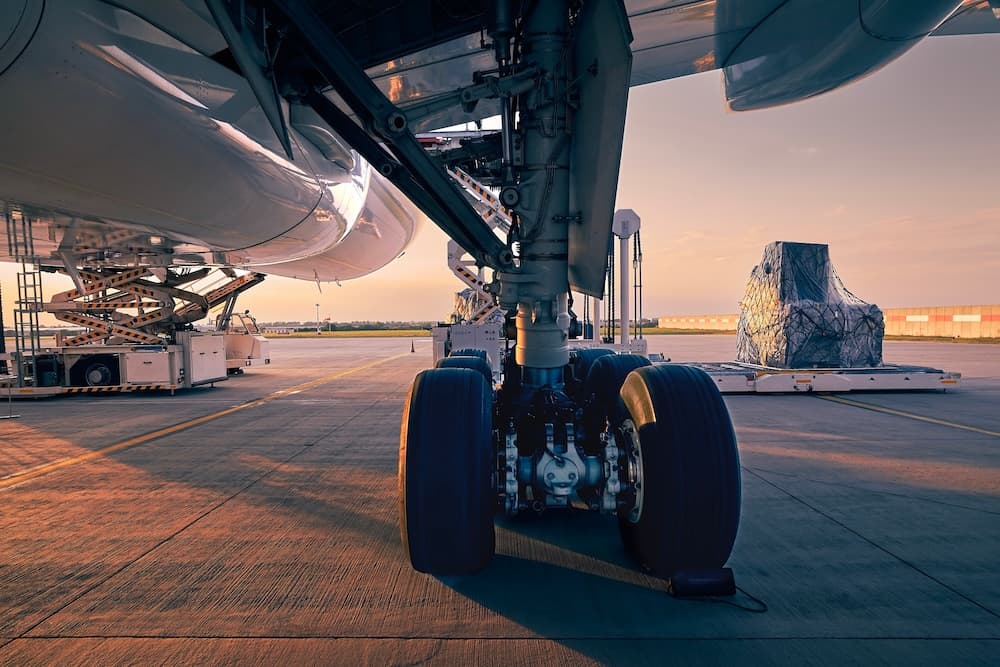
Global air cargo rates saw a slight increase in week 25, staying 35% higher than the previous year.
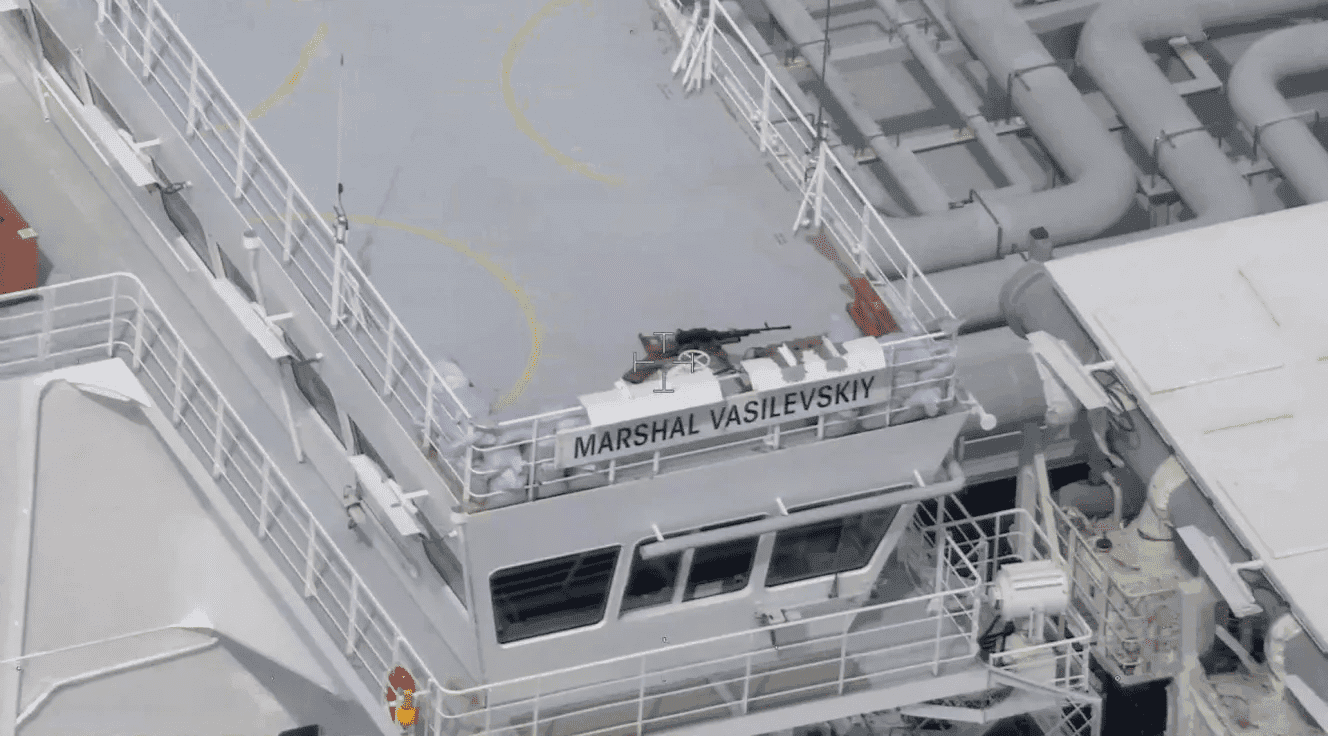
Russia has reportedly armed an LNG tanker in the Baltic Sea, escalating maritime tensions with NATO and raising security concerns
Dry bulk vessel transits through the Strait of Hormuz have recovered to pre-conflict levels, with 62 crossings on June 24th
Oman suggests new fees for ships in the Strait of Hormuz, citing a departure from pre-conflict conditions
The US dollar continues its bullish trend despite US-Iran tensions, with oil prices largely unaffected, indicating market optimism.
Oil prices rose in Asian trade after a US-Iran flare-up, with future talks in Qatar now in focus
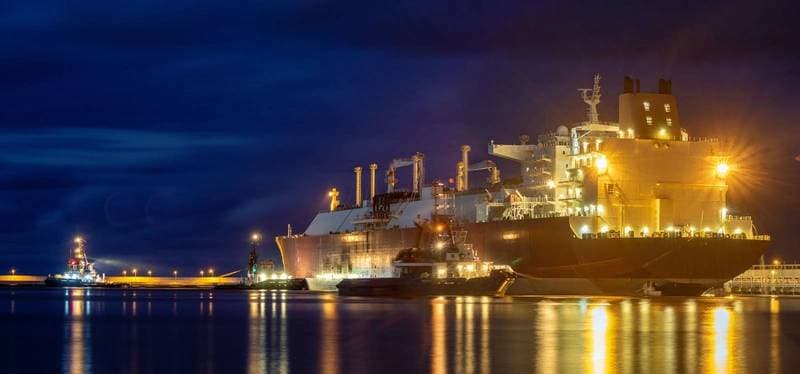
Middle Eastern producers are continuing oil and LNG loadings despite recent vessel attacks and military exchanges in the Strait of Hormuz
The Strait of Hormuz crisis is testing ship managers' ability to maintain trust with crews and clients amid global trade risks
Maritime news this week covers vessel attacks in the Strait of Hormuz, a persistent officer shortage, and Everllence updates
Browse by mode or open the Intelligence Suite for cross-cutting briefs.