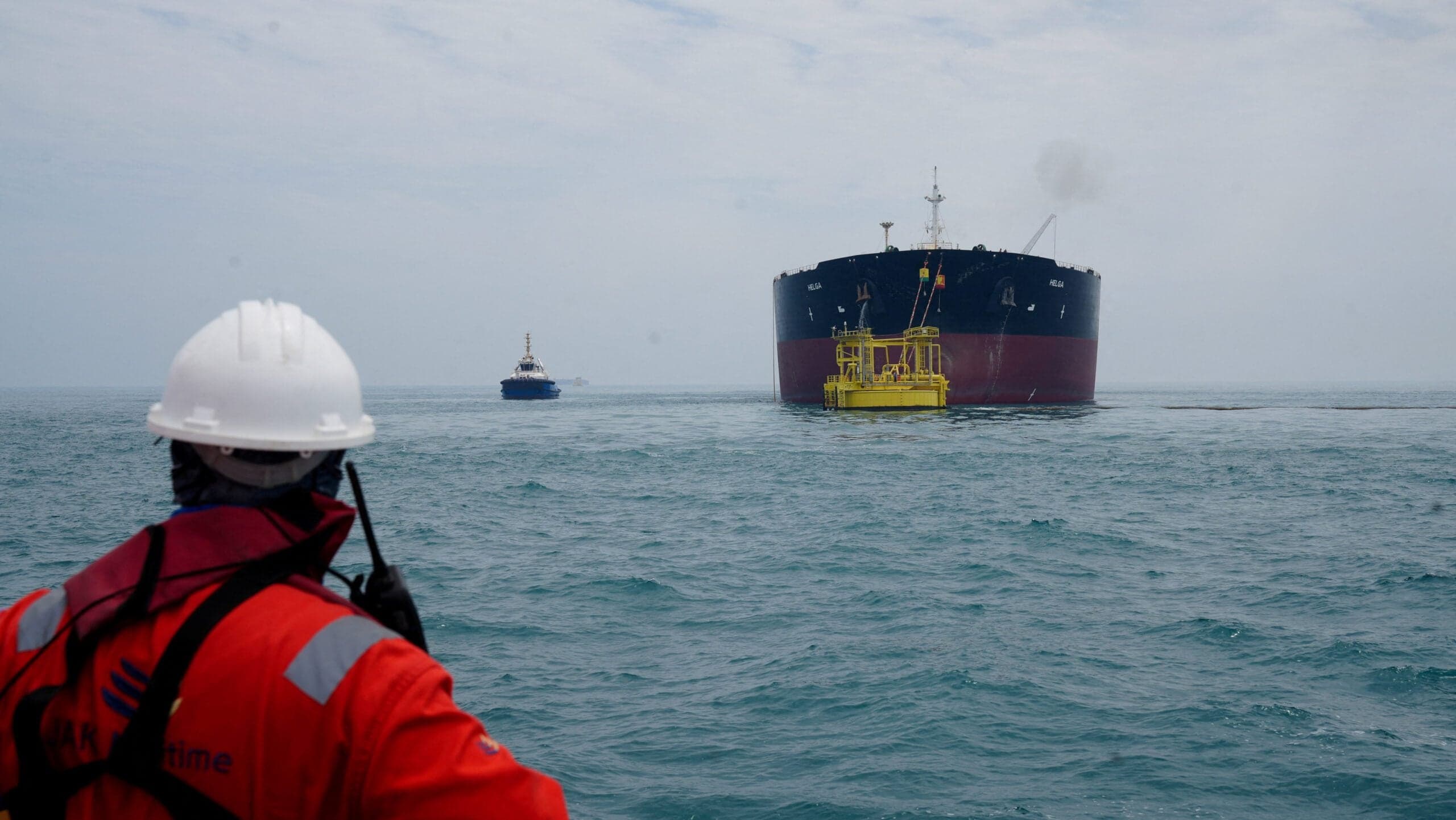
The United Nations has issued a warning that the economic repercussions of the prolonged Strait of Hormuz crisis are expected to endure, notwithstanding the recent reopening of the strait and the subsequent easing of immediate pressures on global shipping and energy markets. The disruption, which lasted for more than 100 days, severely impacted international trade flows, leading to significant delays and increased operational expenses for maritime carriers and their clients.
This extended period of instability in a critical global chokepoint forced many vessels to reroute, incurring longer transit times and higher fuel consumption. Additionally, the heightened risk in the region led to increased war risk insurance premiums, further escalating costs for shippers and ultimately consumers. The cumulative effect of these factors is anticipated to create a ripple effect throughout the global economy, affecting supply chains and potentially contributing to inflationary pressures.
For freight forwarders and operations managers, the immediate reopening of the Strait of Hormuz brings relief from the most acute operational challenges, such as rerouting decisions and managing client expectations amidst severe delays. However, the UN's warning suggests that the financial burden from the crisis, including elevated insurance costs and potential surcharges, may not dissipate quickly. Forwarders should anticipate continued vigilance regarding geopolitical risks in key maritime passages and factor in potential cost volatilities when quoting rates or planning future shipments through such regions. The incident underscores the fragility of global supply chains to geopolitical events in critical maritime areas.
While the immediate crisis has abated, the UN's statement implies that businesses and governments will need to address the long-term economic adjustments and potential vulnerabilities exposed by the disruption. This could include reassessing supply chain resilience strategies and diversifying sourcing or shipping routes to mitigate future risks.