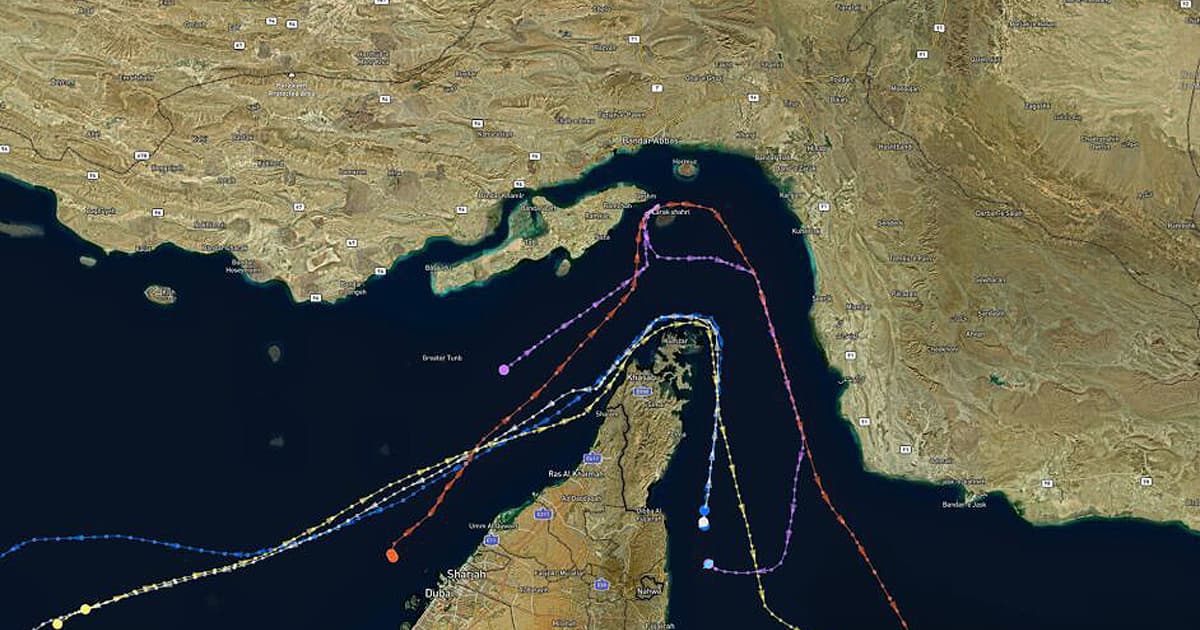
Shipping activity for tankers transiting the Strait of Hormuz has seen a reduction in the wake of several recent vessel attacks in the region. This decline in traffic is a significant concern for the stability of the global oil market, as the Strait is a critical chokepoint for crude oil exports.
The ongoing tensions and security incidents in this vital waterway directly influence the willingness of tanker operators and their crews to undertake voyages through the area. Their risk tolerance is paramount for the consistent flow of oil, which in turn affects global supply and pricing.
For freight forwarders and shippers, this situation translates into heightened geopolitical risk for oil and gas logistics. While direct container shipping might not be immediately affected, any sustained disruption or increase in war risk premiums for tankers could indirectly impact bunker fuel costs and overall supply chain stability. Forwarders dealing with project cargo or specialized breakbulk for the energy sector, particularly in the Middle East, should monitor the situation closely for potential delays or increased operational costs. The ability to unlock millions of barrels of oil supply is contingent on restoring confidence and security in this critical maritime corridor.