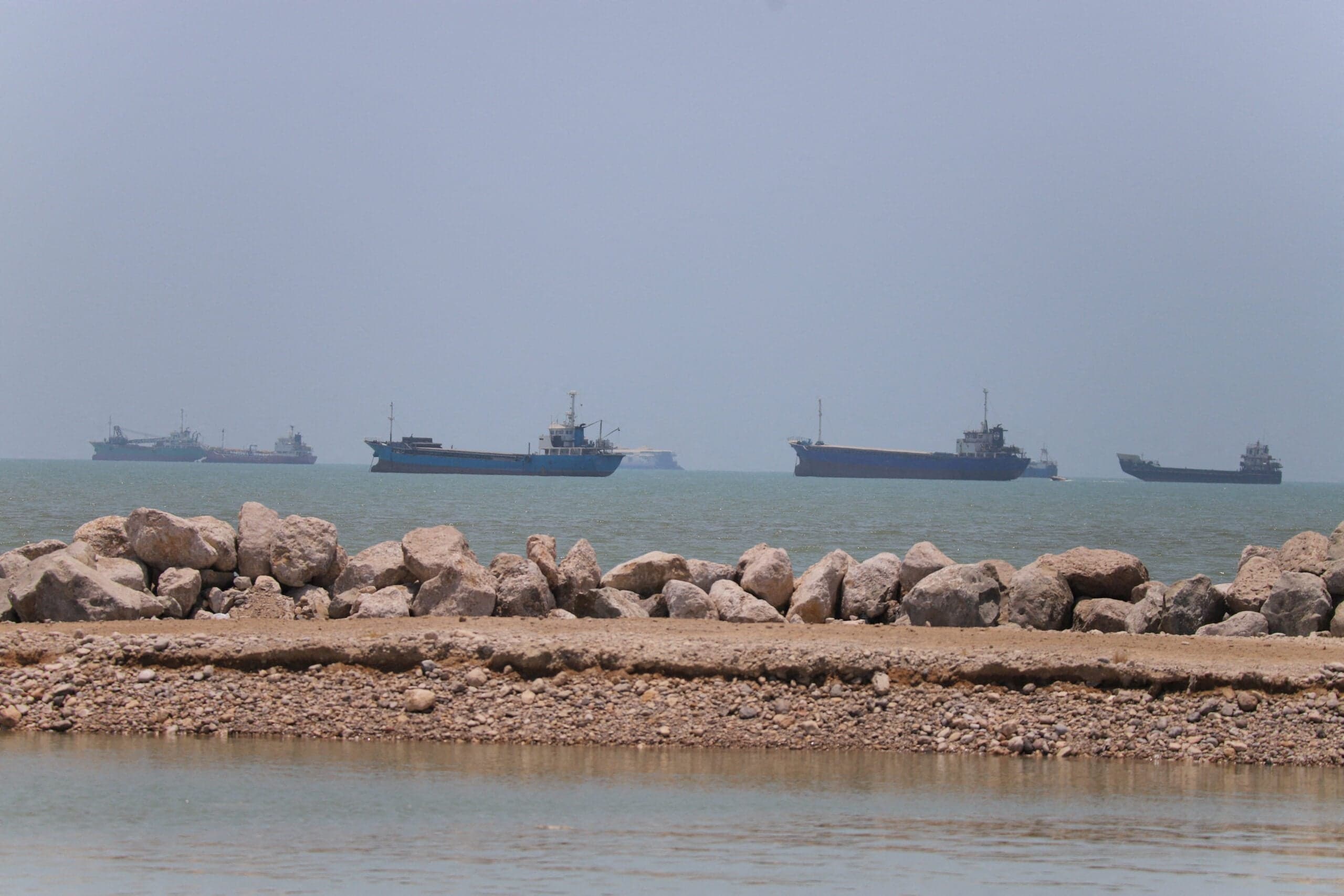
Iran has once again declared its intent to assert control over maritime passages within the Strait of Hormuz. This declaration comes just prior to new diplomatic discussions scheduled to take place in Qatar, where Iran and the United States are expected to engage in talks aimed at formally resolving their ongoing conflict.
This latest statement from Iran underscores the strategic importance of the Strait of Hormuz, a vital chokepoint for global oil and gas shipments. Such rhetoric often precedes or accompanies periods of heightened geopolitical tension in the region, particularly when sensitive negotiations are underway.
For freight forwarders and shippers, this development signals potential for increased operational risk in the Persian Gulf. Any perceived threat to the free passage of vessels through the Strait of Hormuz could lead to higher war risk insurance premiums, longer transit times if alternative routes are considered, or even disruptions to vessel schedules. Forwarders should monitor the situation closely and advise clients on potential impacts to their supply chains, especially those involving energy commodities or cargo transiting the Middle East.
The outcome of the Qatar talks will be crucial in determining whether these tensions de-escalate or intensify, directly influencing the stability of shipping operations in one of the world's most critical maritime arteries.