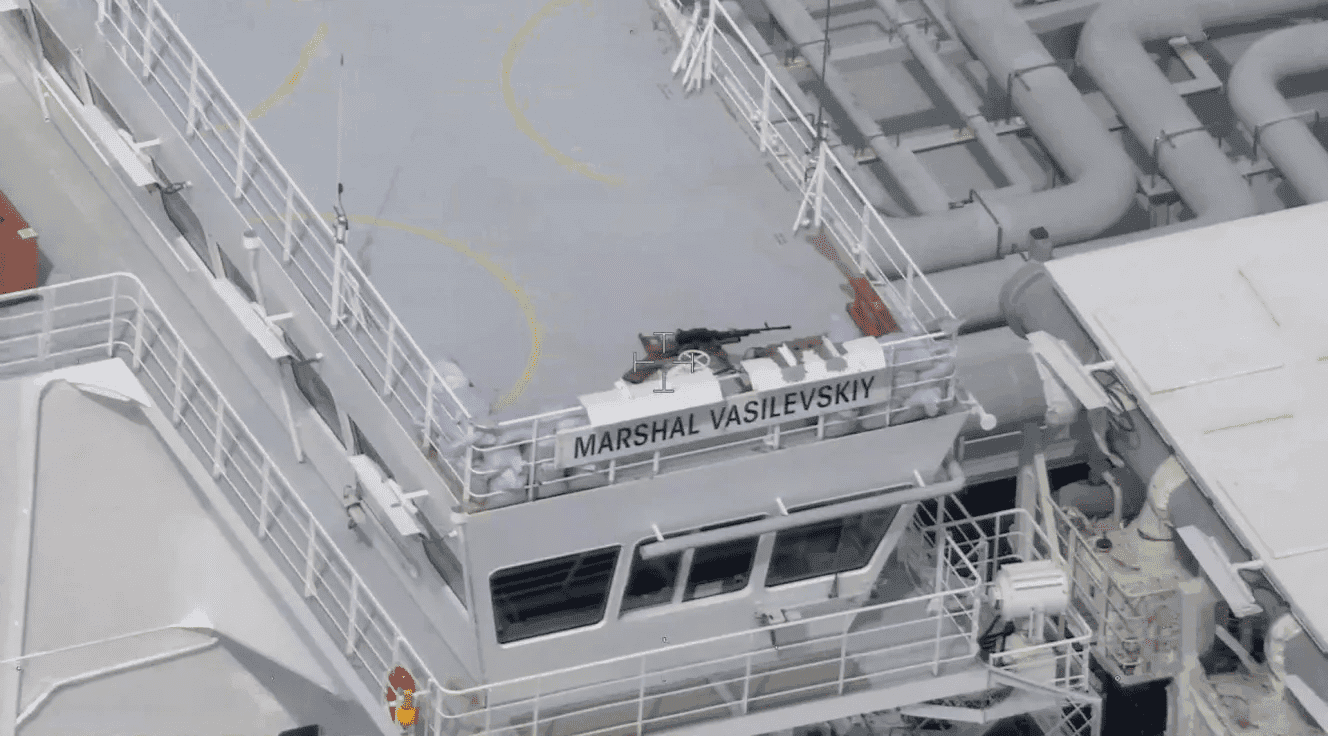
Estonian border authorities have released photographs suggesting that Russia has fitted a liquefied natural gas (LNG) carrier with heavy machine guns. This development, occurring in the Baltic Sea, is described by analysts as an unprecedented militarization of a civilian Russian energy vessel. The move highlights a deepening of maritime tensions between Russia and NATO member states.
This incident follows a period of heightened geopolitical friction in the Baltic region, particularly after Russia's full-scale invasion of Ukraine. The arming of a commercial vessel, especially one involved in energy transport, introduces a new dimension to these tensions, blurring the lines between military and civilian assets.
For freight forwarders and shippers, this militarization could lead to increased security concerns and potentially higher war risk premiums for vessels operating in the Baltic Sea. The presence of armed civilian ships may complicate navigation, insurance, and routing decisions, particularly for sensitive cargo. It also signals a more volatile operating environment, which could impact schedule reliability and transit times in the region.
It remains to be seen how NATO and individual member states will respond to this apparent militarization. The incident could prompt further naval patrols, intelligence gathering, and potentially new regulations or advisories for commercial shipping in the Baltic Sea.