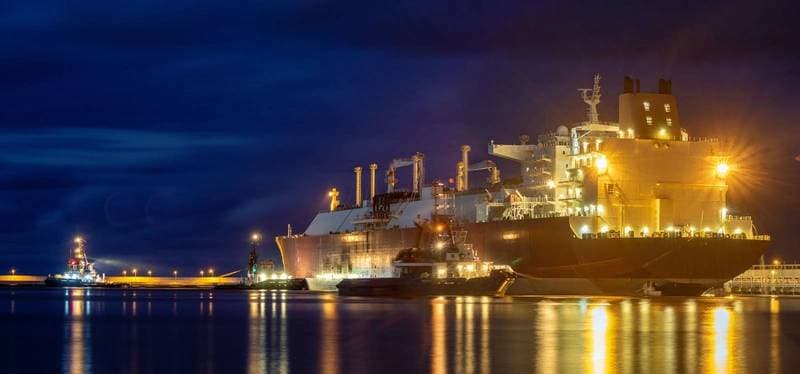
Middle Eastern energy producers are proceeding with the loading of oil and liquefied natural gas (LNG) cargoes, even as the region experiences fresh ship attacks in the Strait of Hormuz and renewed military actions between the United States and Iran. Recent shipping data confirms that these critical energy exports are continuing without significant interruption.
This ongoing activity underscores the strategic importance of the Strait of Hormuz for global energy supply chains. The waterway is a vital transit point for a substantial portion of the world's oil and gas, making any disruption a concern for international markets.
For freight forwarders and operations managers, this situation means that while geopolitical tensions remain high, the immediate flow of oil and LNG from the Middle East appears stable. However, the increased risk of incidents in the Strait of Hormuz could lead to higher war risk premiums for vessels transiting the area, potentially impacting shipping costs and transit times. Forwarders should monitor the situation closely for any changes that might affect vessel routing, insurance, or capacity for energy-related shipments.
There is no indication in the source article about what might happen next, beyond the current continuation of loadings.