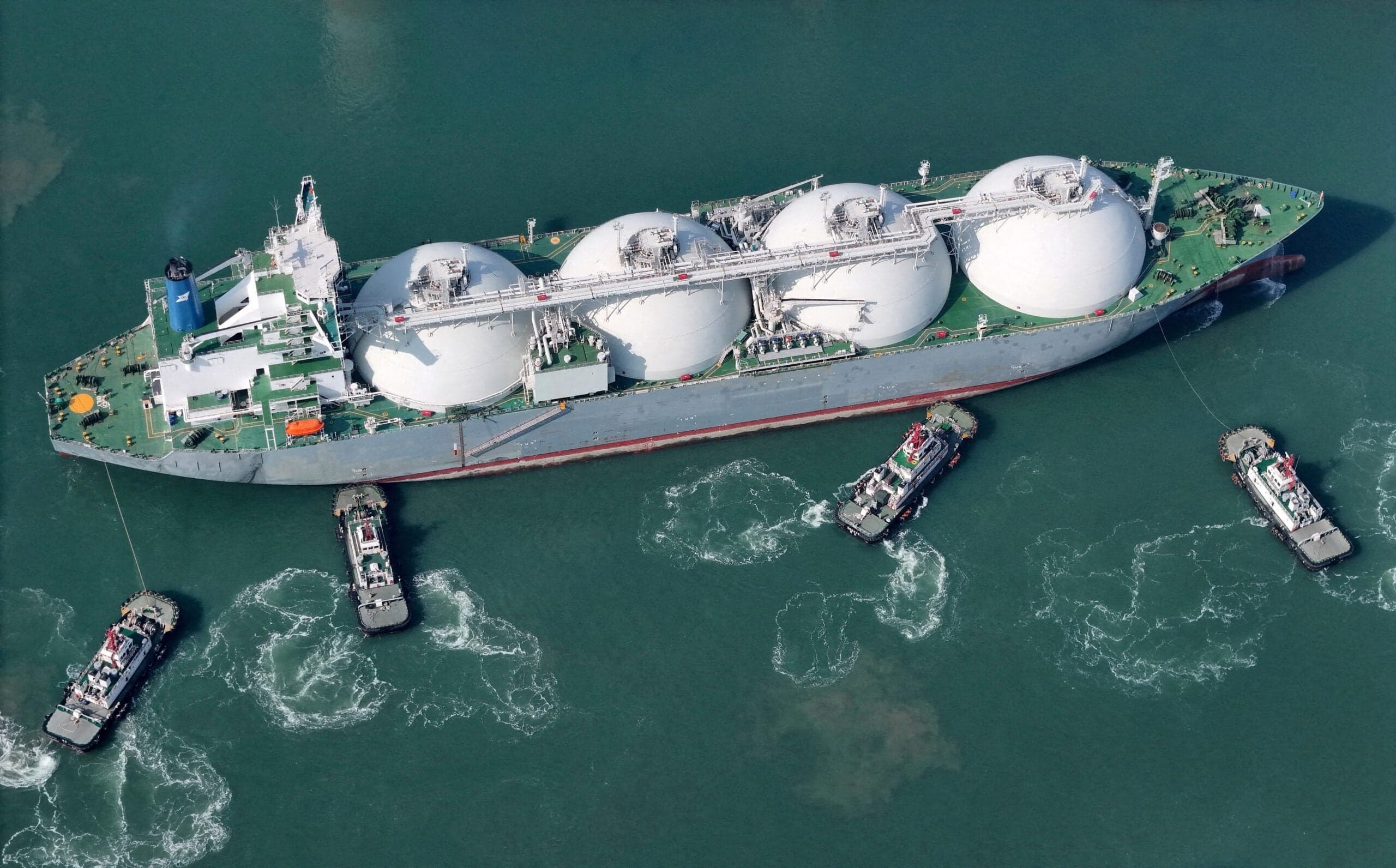
Shell has issued a projection indicating that global liquefied natural gas (LNG) trade could experience a standstill in 2026, primarily due to ongoing shipping disruptions within the Strait of Hormuz. This assessment is contingent on the assumption that normal shipping operations resume within the next three months. Despite the immediate challenges, Shell anticipates a rebound in growth for 2027, with a substantial increase in LNG demand projected by 2050.
For freight forwarders and operations managers, this situation implies potential volatility and increased risk in LNG shipping routes through the Persian Gulf. While direct impacts on container or dry bulk shipping may be limited, any escalation in regional tensions could lead to broader disruptions, affecting vessel schedules, insurance premiums, and potentially necessitating re-routing. Forwarders involved in energy logistics should monitor the situation closely for changes in transit times and operational costs.
Looking ahead, the long-term forecast for increased LNG demand by 2050 suggests sustained growth in the specialized LNG shipping sector, which could influence vessel newbuilds and infrastructure investments in the coming decades.