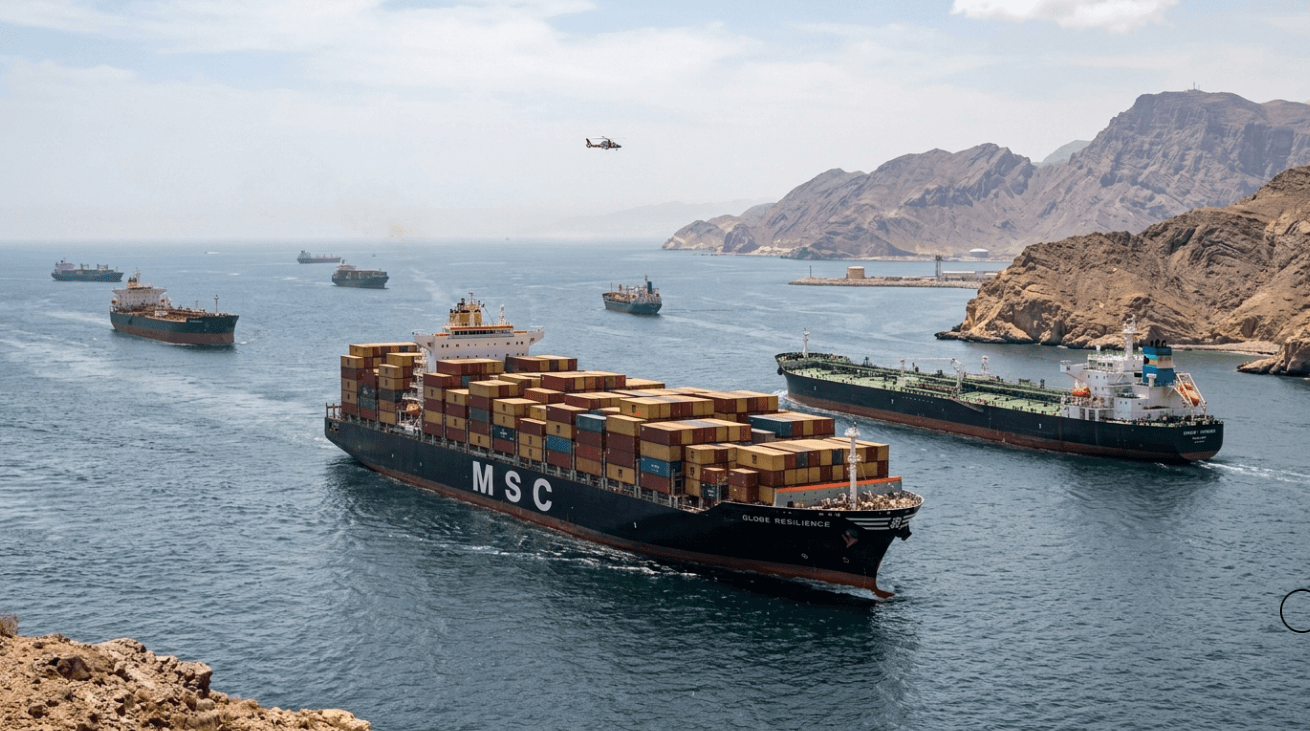
Ongoing instability in the Strait of Hormuz is significantly impacting global supply chains, prompting a fundamental shift in business strategy. Companies are now prioritizing resilience over traditional efficiency models, leading to increased investment in several key areas.
This includes boosting inventory levels to create buffers against potential delays and disruptions. Furthermore, businesses are actively seeking alternative sourcing locations to reduce reliance on single points of origin, thereby diversifying their supply base. Enhanced logistics security measures are also being implemented to safeguard cargo and ensure continuity of operations amidst the volatile geopolitical landscape.
For freight forwarders and operations managers, this trend implies a greater demand for flexible routing options, robust contingency planning, and potentially higher storage and insurance costs. Shippers may experience longer lead times and a need for more diversified carrier relationships. The emphasis on resilience could also lead to a re-evaluation of just-in-time inventory models in favor of more resilient, albeit potentially more costly, supply chain structures.