137d ago·gCaptain
Maersk and Hapag-Lloyd Resume Suez Canal Transit for AE15 Service
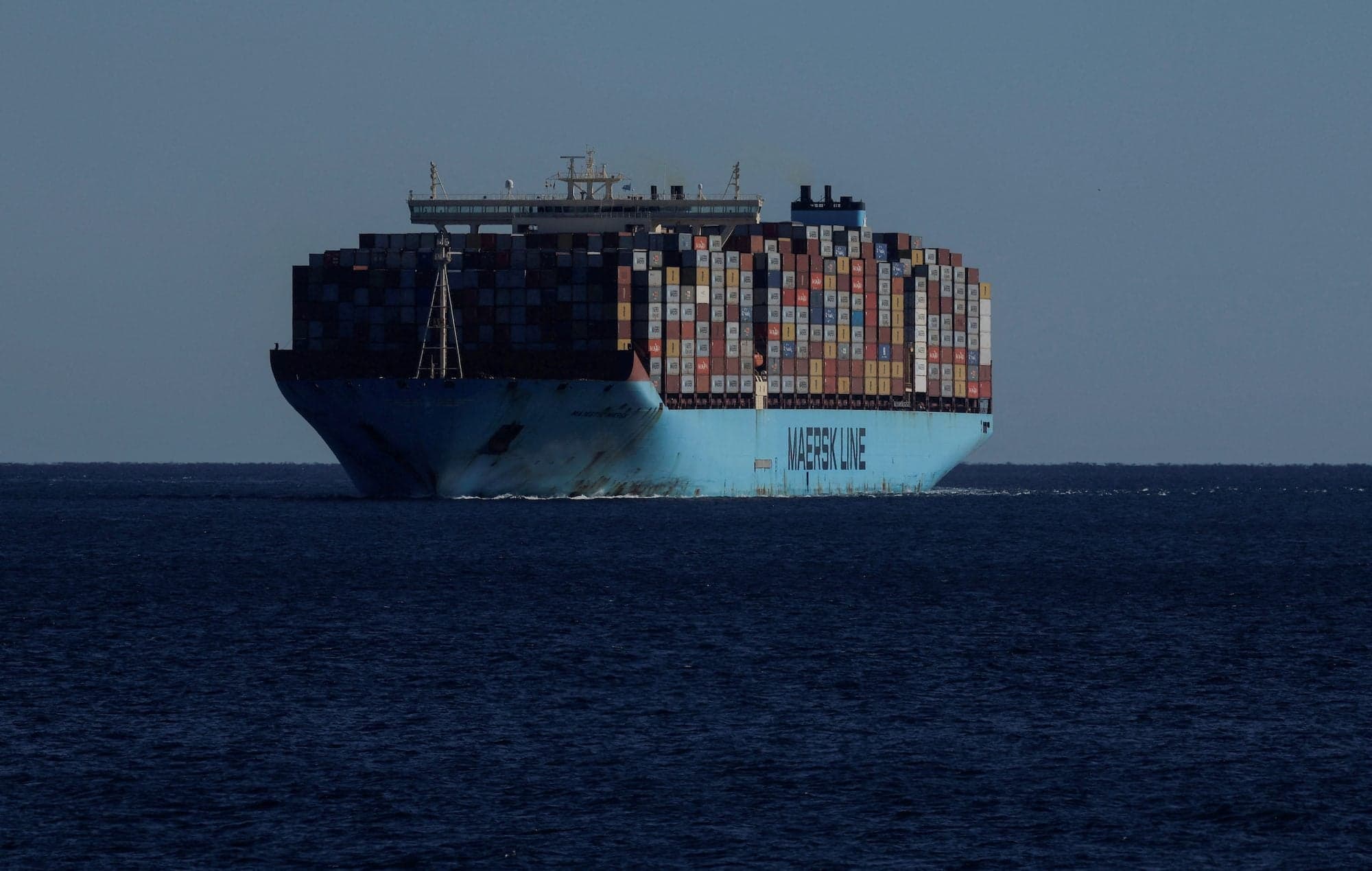
Maersk and Hapag-Lloyd are resuming Suez Canal transits for their AE15 service, moving away from the longer Cape of Good Hope route
Articles tagged with the Red Sea Crisis topic across every transport mode.
Maersk and Hapag-Lloyd are resuming Suez Canal transits for their AE15 service, moving away from the longer Cape of Good Hope route

Indonesia and Singapore reaffirmed their commitment to free passage in the Strait of Malacca amid Middle East tensions.
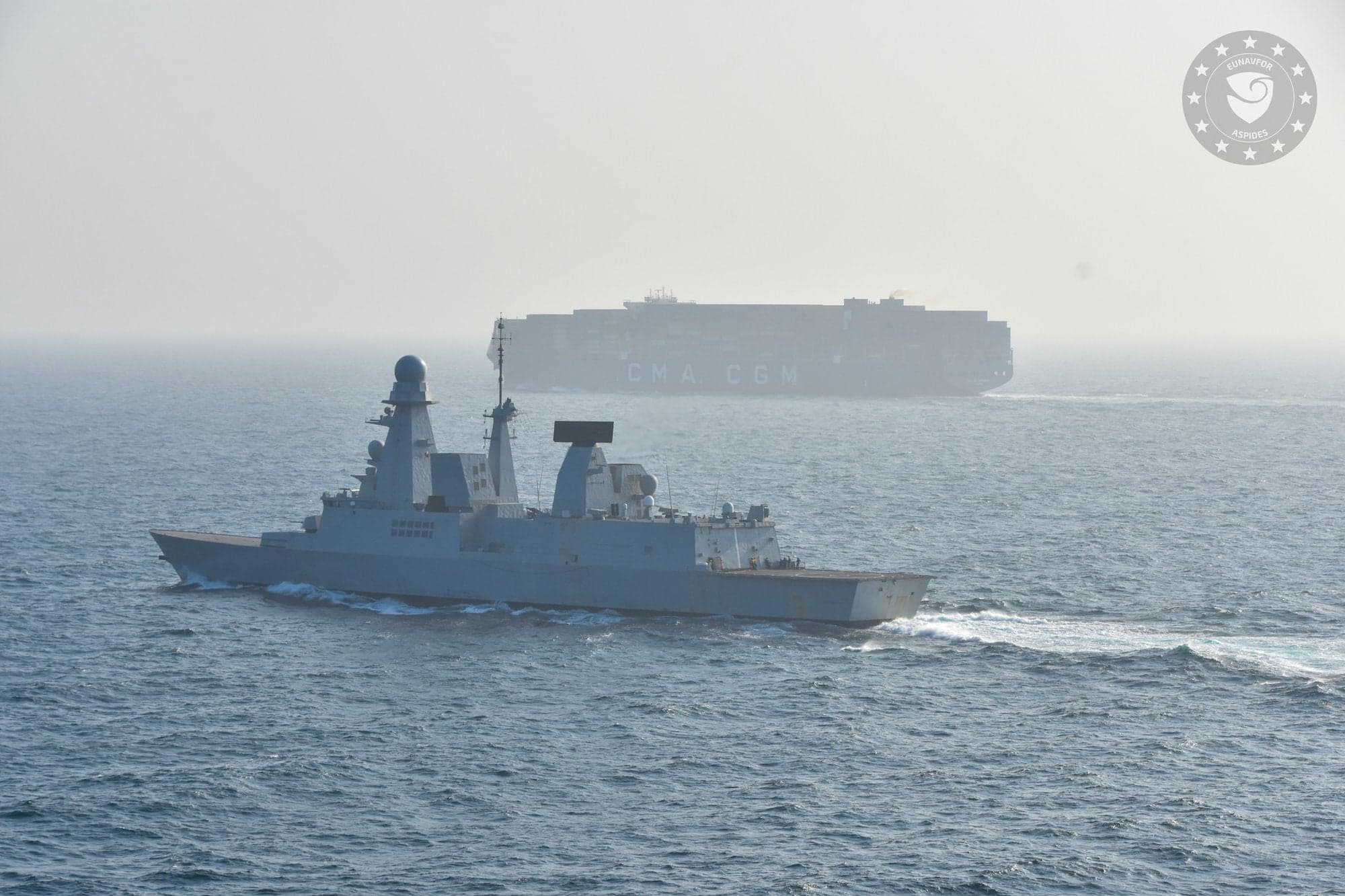
A cargo vessel in the Red Sea reported an attack by armed assailants, underscoring persistent security risks in the region
Suez Canal container ship transits reached their highest weekly level since January, with 35 vessels passing through.
Global disruptions like the pandemic and Red Sea crisis have unexpectedly boosted container shipping profitability by absorbing excess…
The ship recycling sector is in a holding pattern, awaiting clearer market signals following recent Middle East developments
Maersk's July 2026 update highlights early peak season signals and ongoing Red Sea disruptions impacting Asia-Pacific supply chains.

Asia Pacific air cargo volumes saw a significant increase in May, fueled by technology shipments and business stockpiling.
The ship recycling market may soon face a capacity crunch, influenced by Iran sanctions and Red Sea transit changes
COSCO Shipping has pulled its vessels from a CMA CGM India-Europe service after the French carrier resumed Suez Canal transits.
Multipurpose carriers are navigating geopolitical instability, energy transition demands, and other market forces impacting project…
Fleet Management Limited introduces a new app and advocates for seafarer recognition amidst rising global geopolitical tensions
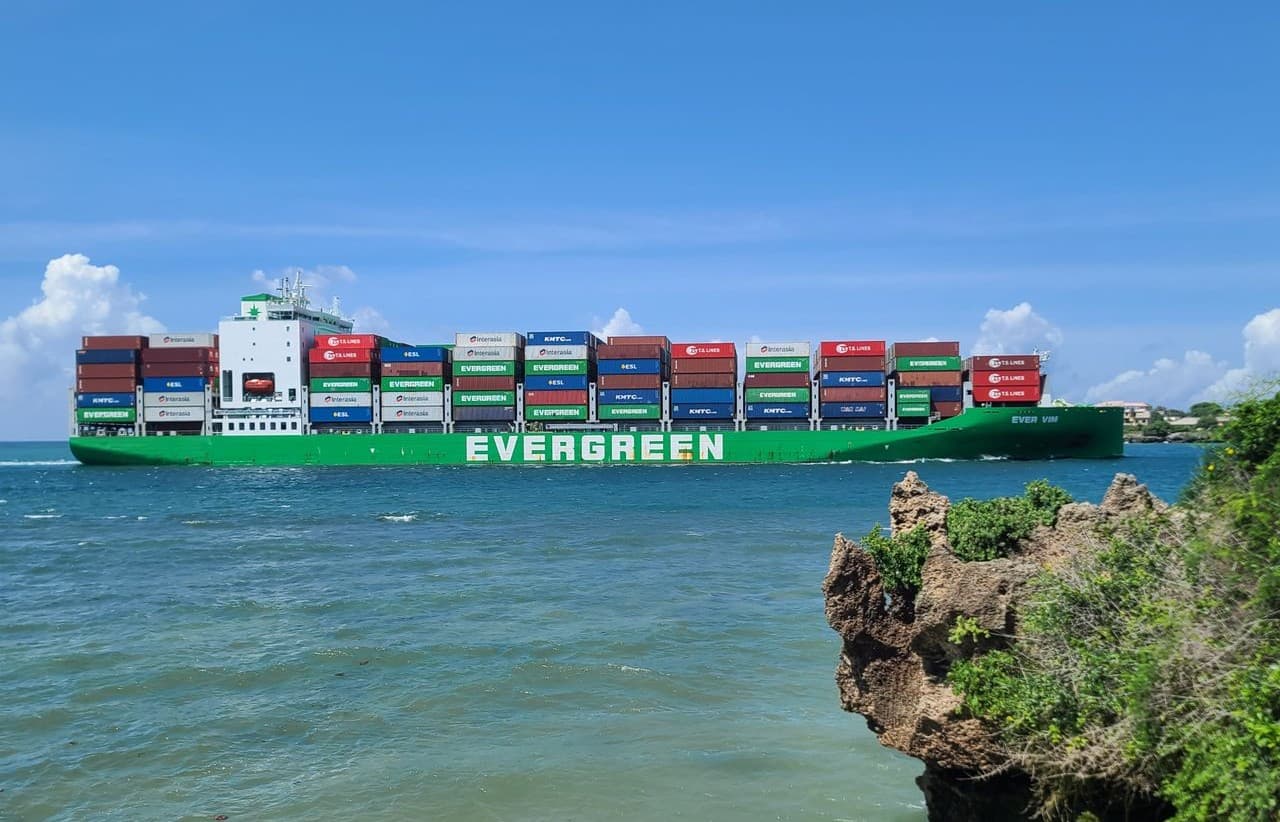
The IMO's plan to evacuate 11,000 seafarers from the Strait of Hormuz has gained support from BIMCO.
Container shipping demonstrates faster recovery from disruptions, with recent events showing quicker returns to schedule reliability.

Container rates from Asia to the Mediterranean are now higher than to North Europe due to June rate hikes and Red Sea issues

Germany has sent two naval vessels to the Red Sea, preparing for a possible military mission in the Strait of Hormuz.
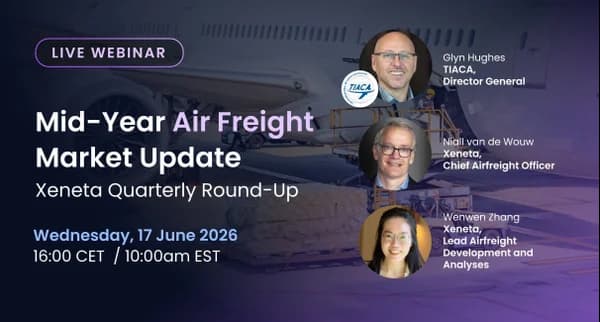
Global air cargo rates saw a 41% year-on-year increase in May 2026, fueled by Middle East disruptions and strong AI demand.
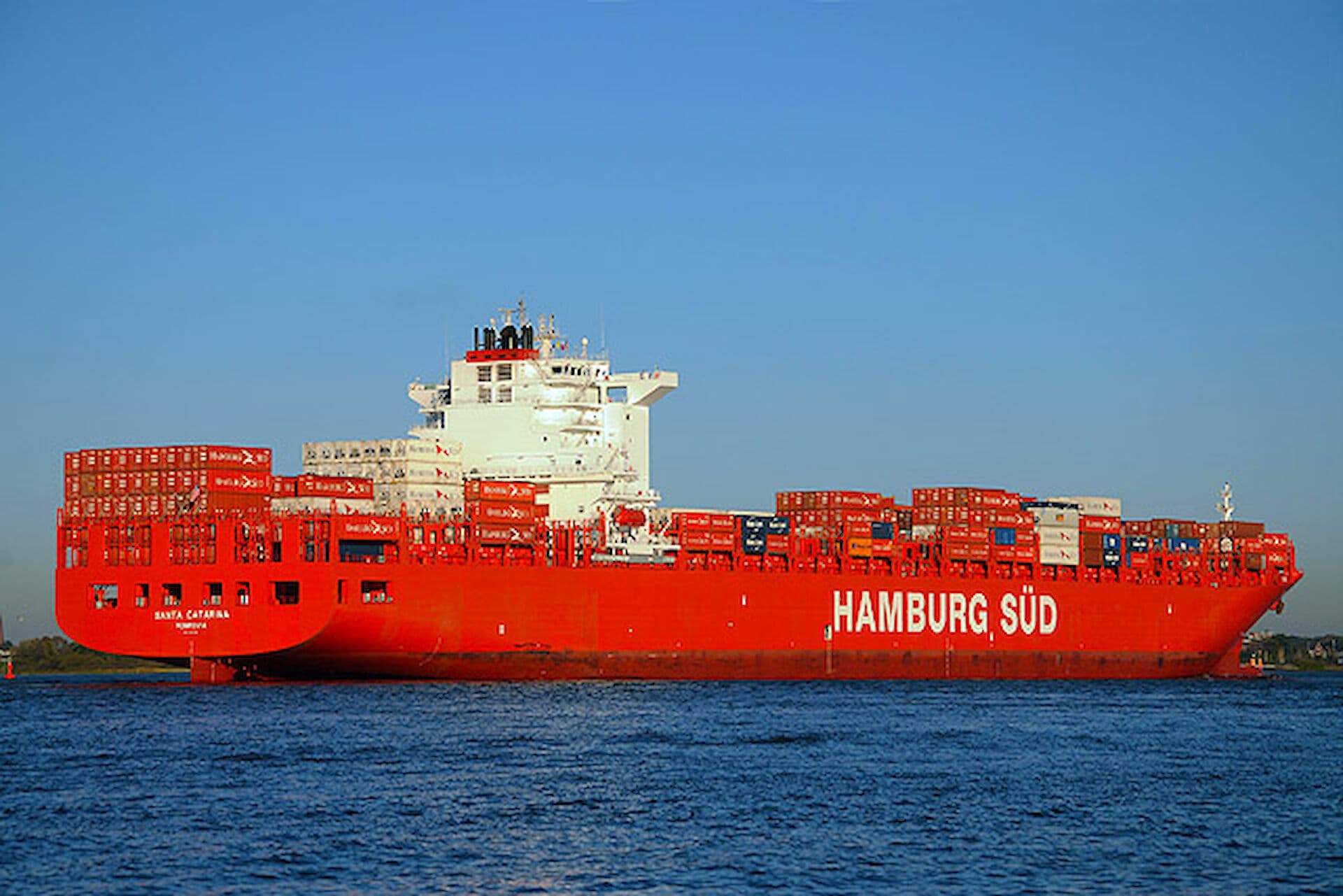
Maersk has resumed Red Sea transits for its vessels following a three-month hiatus due to vessel shortages and high charter rates
Container ship transits through the Suez Canal have increased, with 28 vessels recorded in the week ending June 14.
Marine fuel quality alerts have surged due to catfines and sediment, impacting global shipping operations

A recent US-Iran MoU does not signal an end to the dual chokepoint crisis impacting global maritime shipping.
Container shipping rates from Asia to the US have climbed to their highest point since July 2025 due to Middle East disruptions.
The OECD's Economic Outlook outlines two global trade scenarios, highlighting Middle East disruptions' critical impact on growth and…
Mundra Port faces rail congestion, causing inland delays and higher costs for shippers due to diverted transshipment cargo.
Transit through the Strait of Hormuz is shifting to coordinated passage, while Red Sea threats have escalated after a Houthi announcement
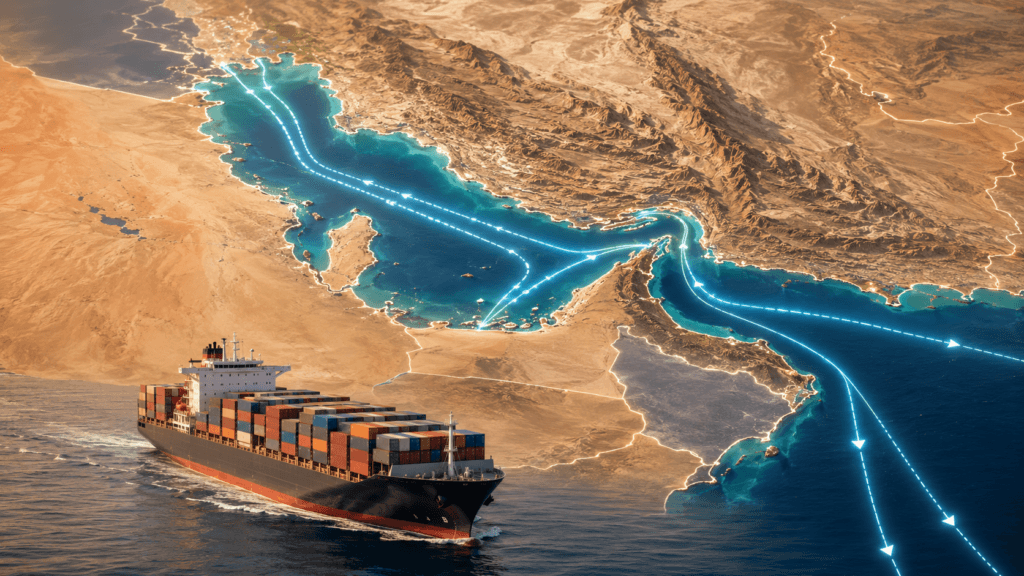
Geopolitical control over key maritime chokepoints, such as the Strait of Hormuz, remains despite alternative routing discussions
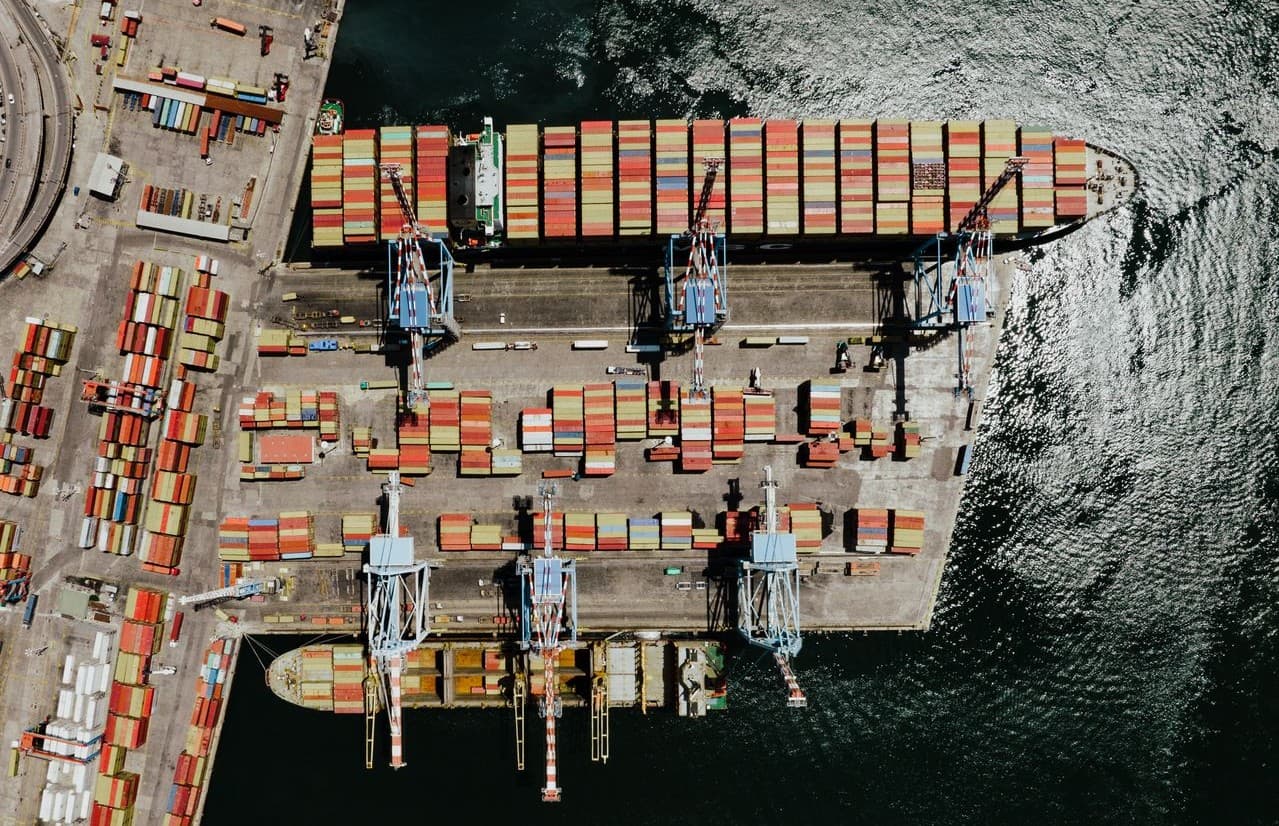
Ports are amplifying global supply chain stress, with delays and congestion from Red Sea rerouting impacting logistics networks
China-Europe rail freight via Russia increased significantly in 2025, driven by Middle East instability.
Geopolitical events have reshaped tanker markets, causing longer voyages and tighter fleet supply, leading to increased freight volatility
Operational issues in Middle East trade lanes have led to cargo rerouting and temporary storage at emergency transit ports
Browse by mode or open the Intelligence Suite for cross-cutting briefs.