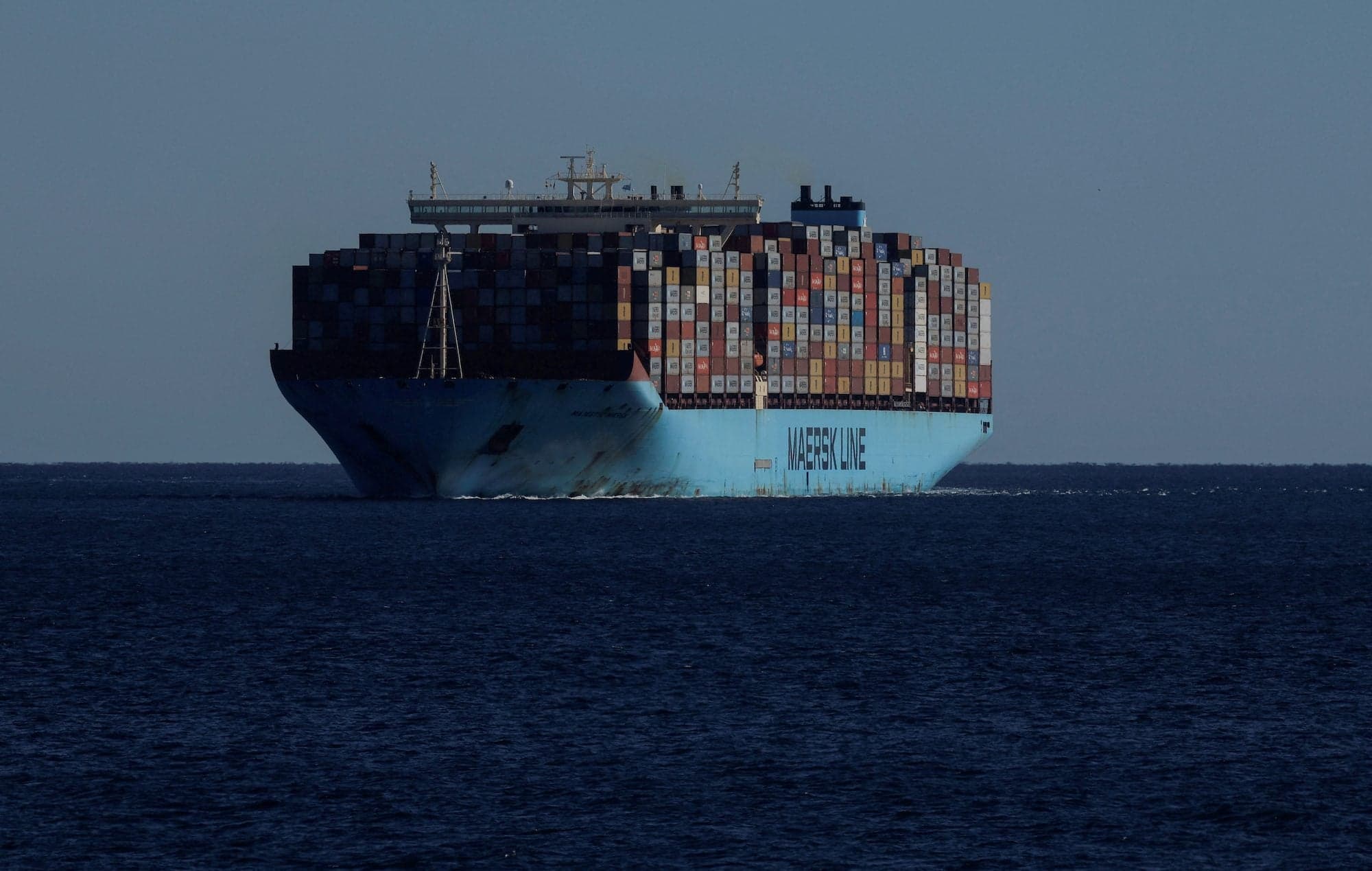
Maersk and Hapag-Lloyd have announced the resumption of Suez Canal transits for their AE15 container shipping service. This decision marks a gradual return to the traditional Asia-Europe route, moving away from the longer alternative via the Cape of Good Hope.
This change indicates a cautious assessment by the carriers regarding the security situation in the Red Sea and Gulf of Aden, which previously prompted widespread diversions. The shift back to the Suez Canal aims to optimize transit times and fuel consumption.
For freight forwarders and shippers, this development could lead to improved schedule reliability and potentially lower freight costs due to reduced sailing distances and bunker fuel consumption. Shorter transit times will benefit supply chains, especially for time-sensitive cargo. However, forwarders should monitor the ongoing security situation and any potential for renewed disruptions, as carriers may adjust routes again if risks escalate. The return to the Suez Canal also means a reduction in vessel capacity tied up on longer routes, which could subtly influence overall market capacity on the Asia-Europe trade lane.
Further announcements regarding additional services or full-scale return to Suez Canal transits are anticipated as carriers continue to evaluate the operational environment.