The multipurpose (MPP) shipping industry is currently dealing with a complex landscape shaped by persistent geopolitical volatility and the global shift towards renewable energy. Historically, the heavy-lift and project logistics sectors have consistently adapted to major global events, ranging from the 2008-09 financial crisis and the COVID-19 pandemic to specific regional issues like Panama Canal restrictions and US tariffs. The most immediate impact on the sector is stemming from the ongoing disruptions in the Middle East, particularly the Houthi attacks in the Red Sea.
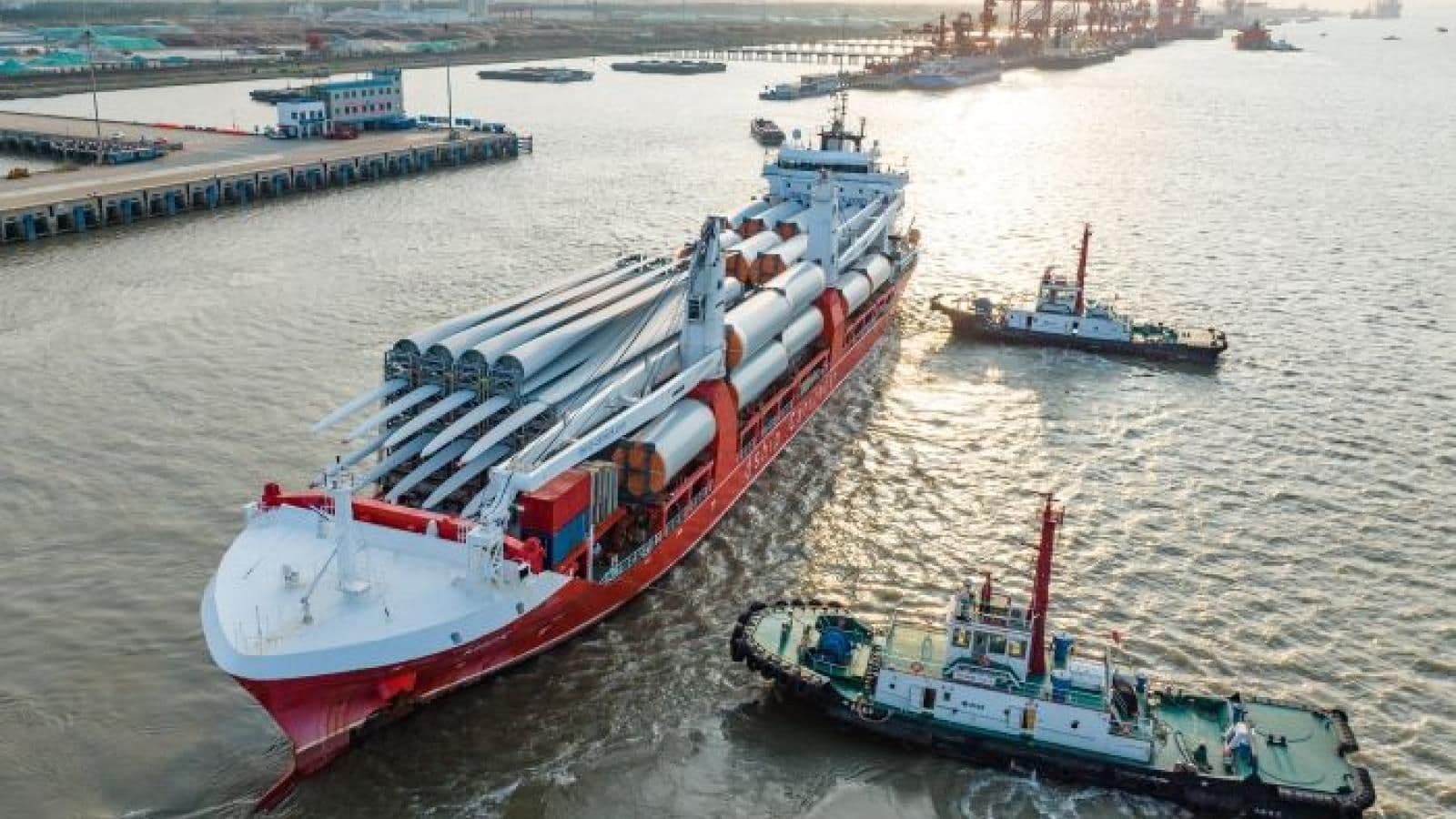
For freight forwarders and operations managers, this environment necessitates heightened vigilance regarding route planning and cost management. The Red Sea situation, for example, can lead to longer transit times due to diversions around the Cape of Good Hope, increasing fuel consumption and operational expenses. Furthermore, the heightened risk in certain areas often results in elevated war risk insurance premiums, directly affecting overall shipment costs for project cargo. The energy transition, while a long-term driver of demand for specialized heavy-lift and project cargo, also introduces complexities related to the specific requirements for transporting components like wind turbine blades or offshore platform modules.
Looking ahead, the MPP sector will likely continue to experience these pressures. Forwarders should anticipate continued fluctuations in vessel availability and pricing, driven by both geopolitical events and the evolving demands of large-scale energy projects. Proactive risk assessment and flexible logistics strategies will be crucial for mitigating potential delays and cost increases for clients involved in project cargo movements.