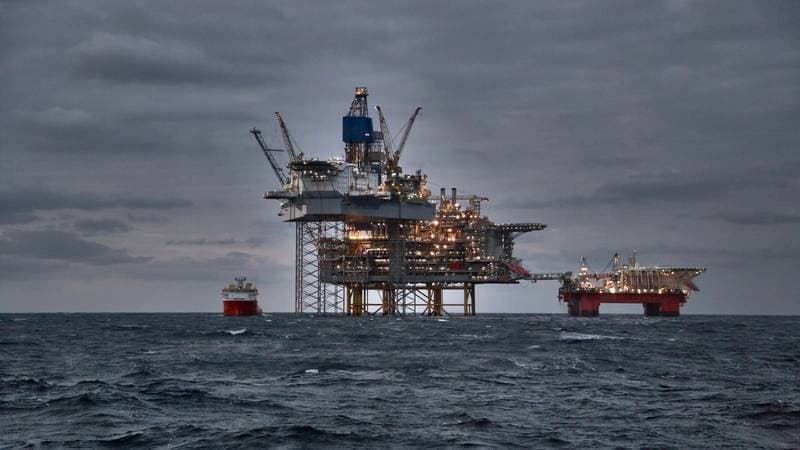
The International Maritime Organization (IMO) has initiated an evacuation plan for approximately 11,000 seafarers located in the Strait of Hormuz, a critical maritime chokepoint. This plan has garnered support from BIMCO, one of the world's largest shipping associations. The move underscores growing concerns for seafarer safety in the region.
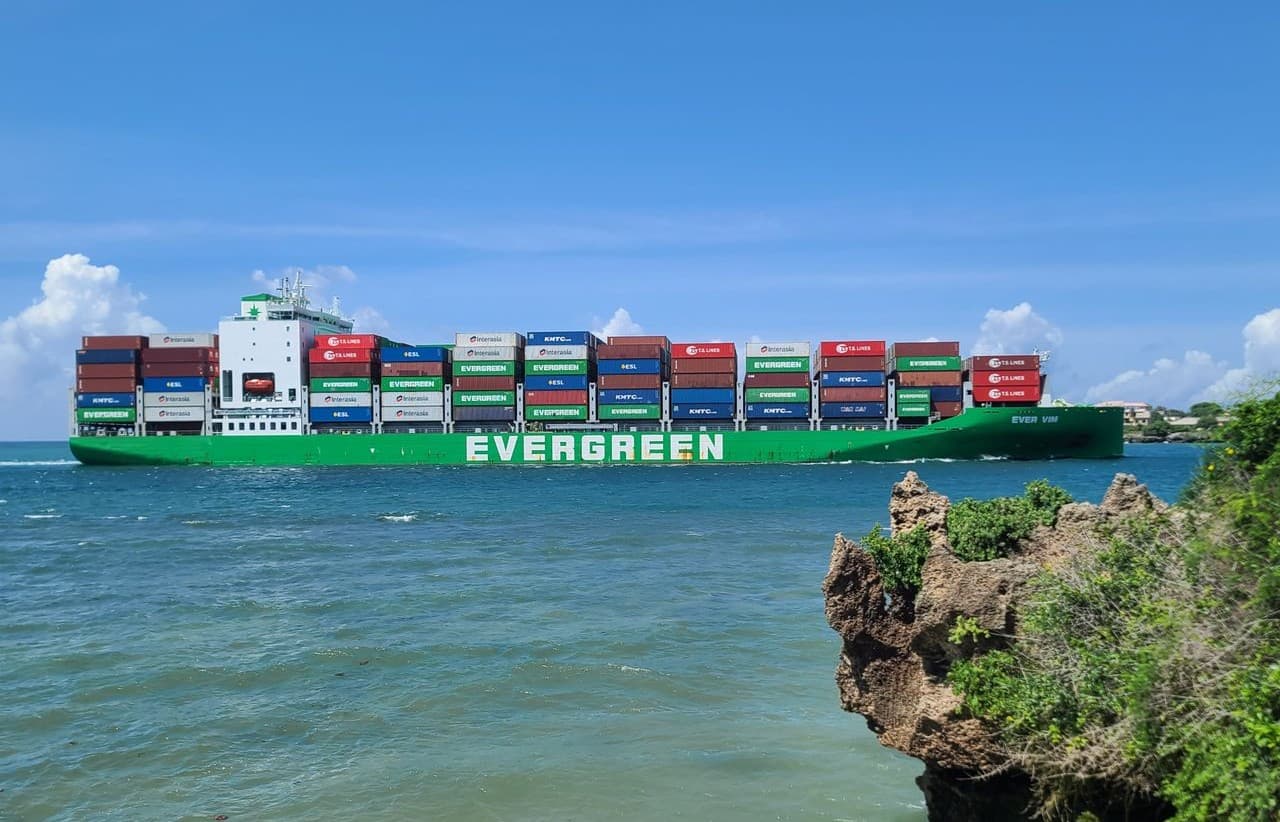
This development occurs against a backdrop of persistent disruptions in global shipping, primarily driven by security risks in the Red Sea. These threats continue to compel container vessels to avoid the Suez Canal and instead take the longer route around the Cape of Good Hope. Consequently, traffic through the Suez Canal remains substantially lower than volumes recorded in 2023, indicating a prolonged shift in major trade lanes.
For freight forwarders and operations managers, the continued rerouting via the Cape of Good Hope means longer transit times and increased fuel costs, which are likely to translate into higher freight rates. The reduced Suez Canal traffic also impacts schedule reliability, making it more challenging to plan and execute shipments. Forwarders should anticipate ongoing volatility in shipping schedules and pricing, particularly on Asia-Europe trade lanes. The focus on seafarer safety in Hormuz, while not directly impacting routing, highlights broader geopolitical tensions that can affect insurance premiums and operational risk assessments for vessels transiting sensitive areas.