105d ago·BunkerspotHIGH
IMO Organizes Large-Scale Operation to Free Vessels and Seafarers in Strait of Hormuz
A large-scale operation is underway to free vessels and 11,000 seafarers stranded in the Strait of Hormuz.
Latest coverage tied to this risk region from our curated freight publishers, across the topics that define it.
A large-scale operation is underway to free vessels and 11,000 seafarers stranded in the Strait of Hormuz.
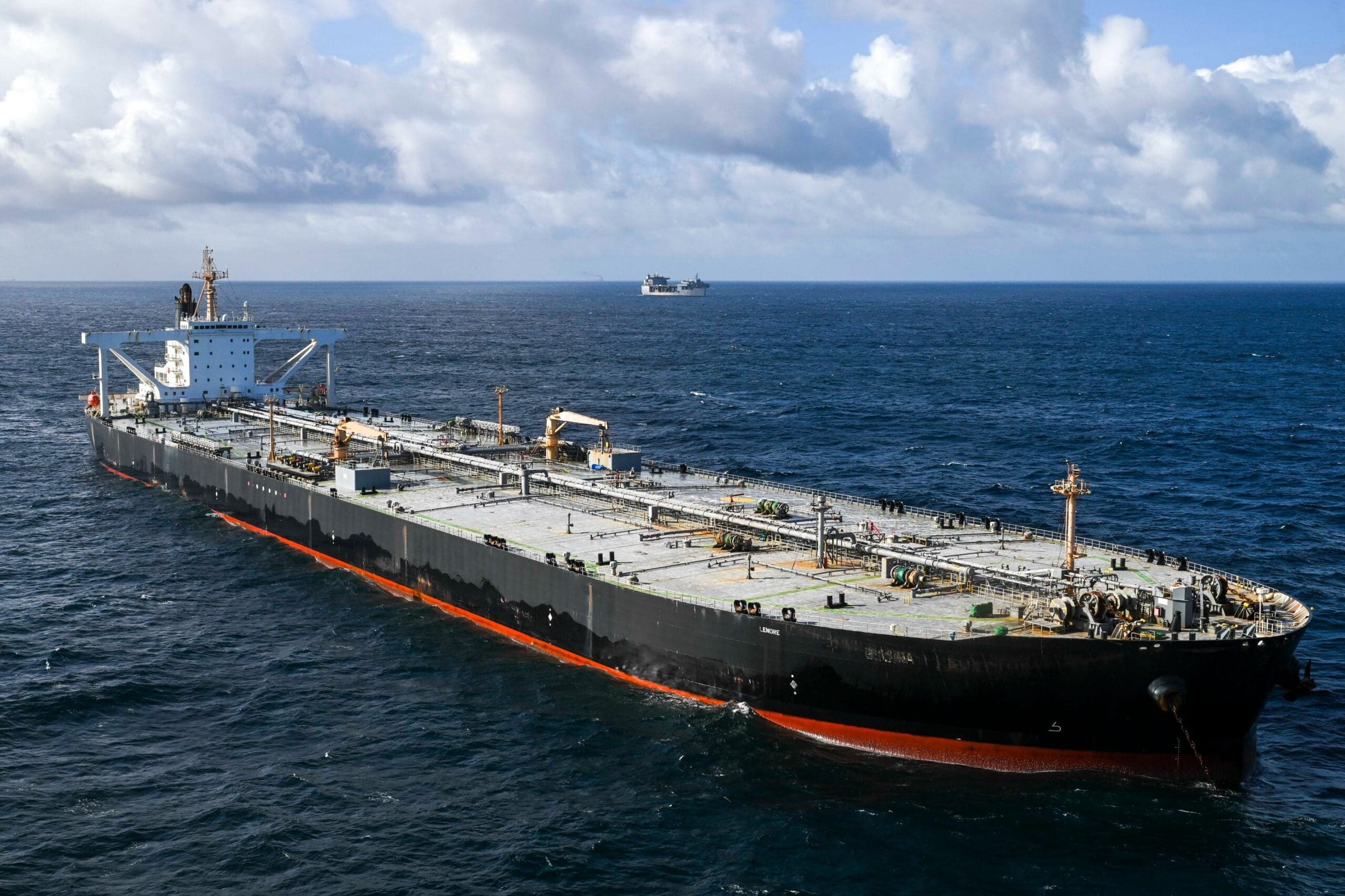
Iran and Oman have begun formal talks on the future administration of navigation in the Strait of Hormuz.
Vessel transits in the Strait of Hormuz have increased significantly since late February after a US-Iran MoU.
Karachi Gateway Terminal plans a significant investment to boost capacity and leverage new cargo flows from regional conflicts
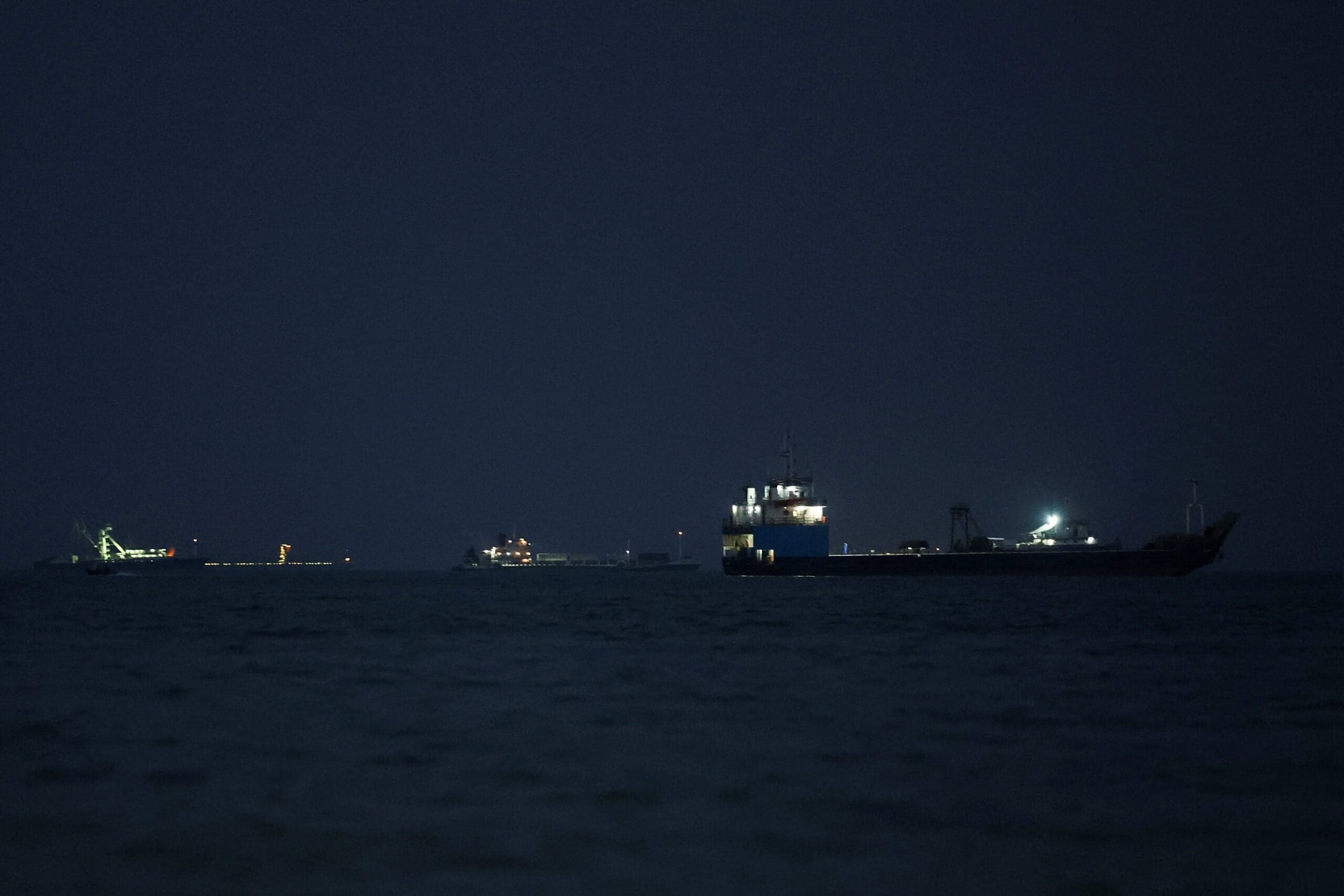
More vessels are openly signaling their intent to traverse the Strait of Hormuz, indicating growing confidence among shipowners.
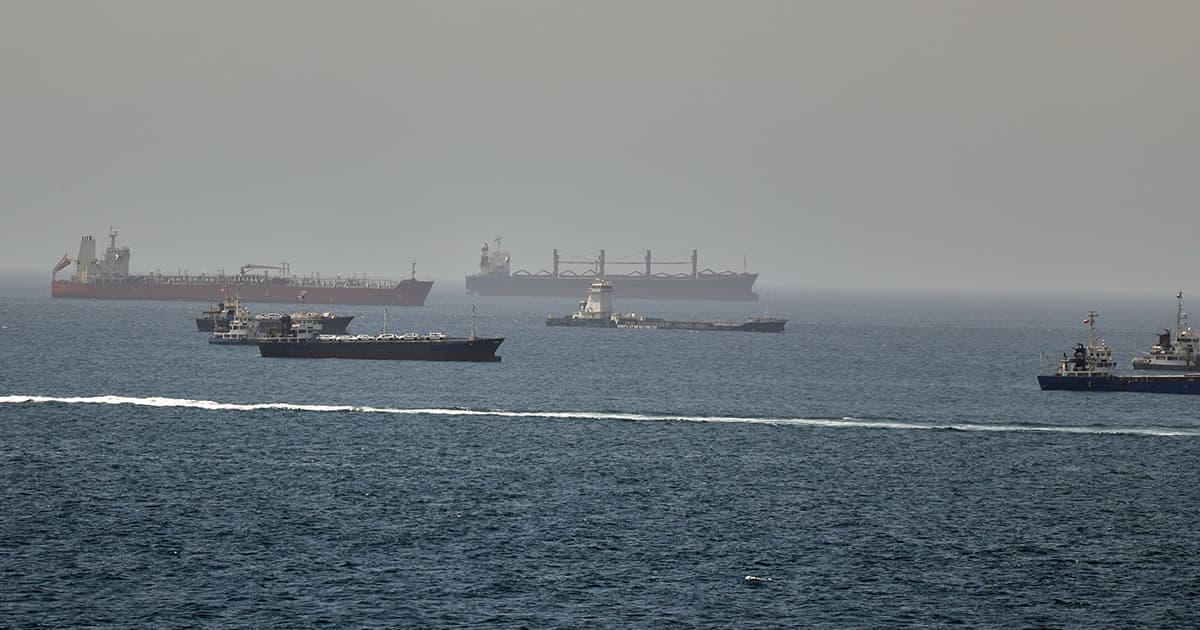
Questions over who will control the Strait of Hormuz and potential tolls could disrupt peace talks and shipping.
LNG shipping stocks fell as geopolitical tensions eased in the Strait of Hormuz, impacting market perception of risk.
A persistent aluminum supply deficit continues globally, despite reduced geopolitical risks in the Middle East.
Oil prices fell sharply after the US reportedly eased sanctions on Iran, signaling increased crude supply.
Oil futures declined as US-Iran peace talks progressed and sanctions on Iranian crude exports were temporarily eased
Iranian tankers are sailing to Asia, prompting questions about ship-to-ship transfers in Malaysia after a US sanctions waiver
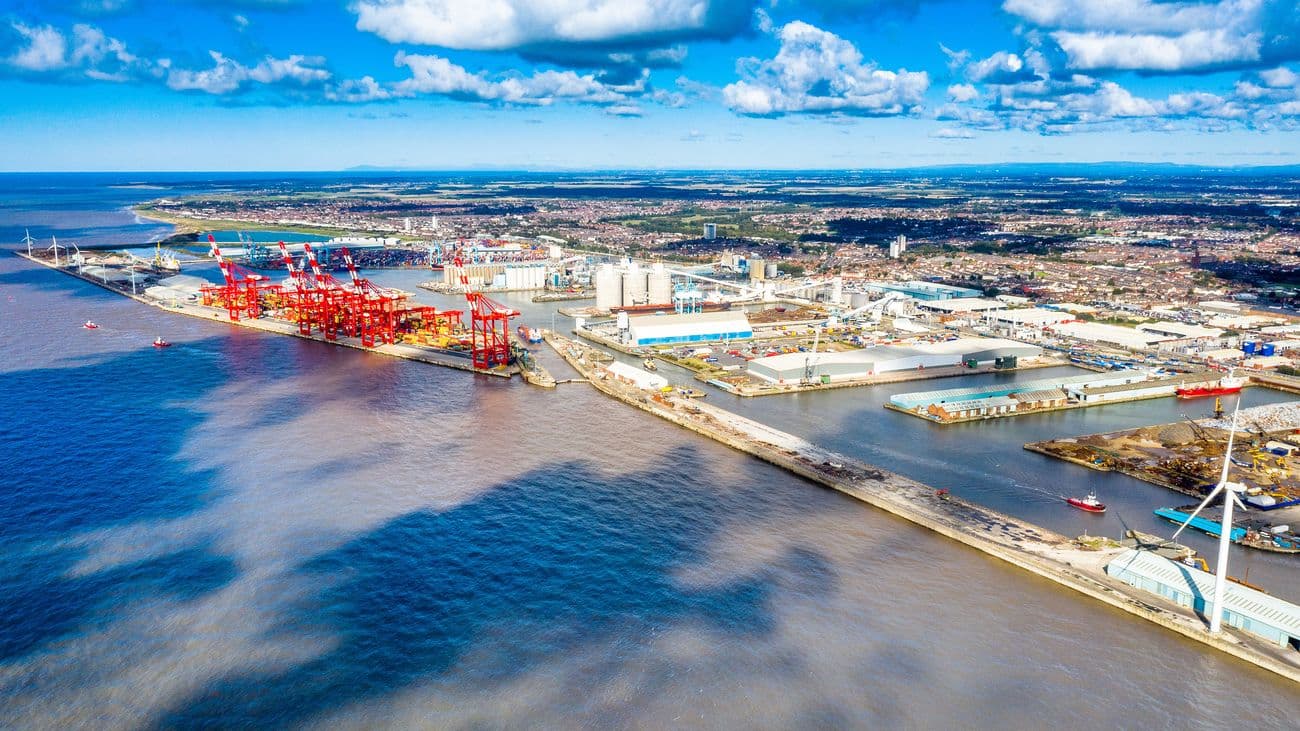
The Port of Liverpool has experienced a 200% increase in fertiliser import inquiries due to Strait of Hormuz supply chain uncertainty
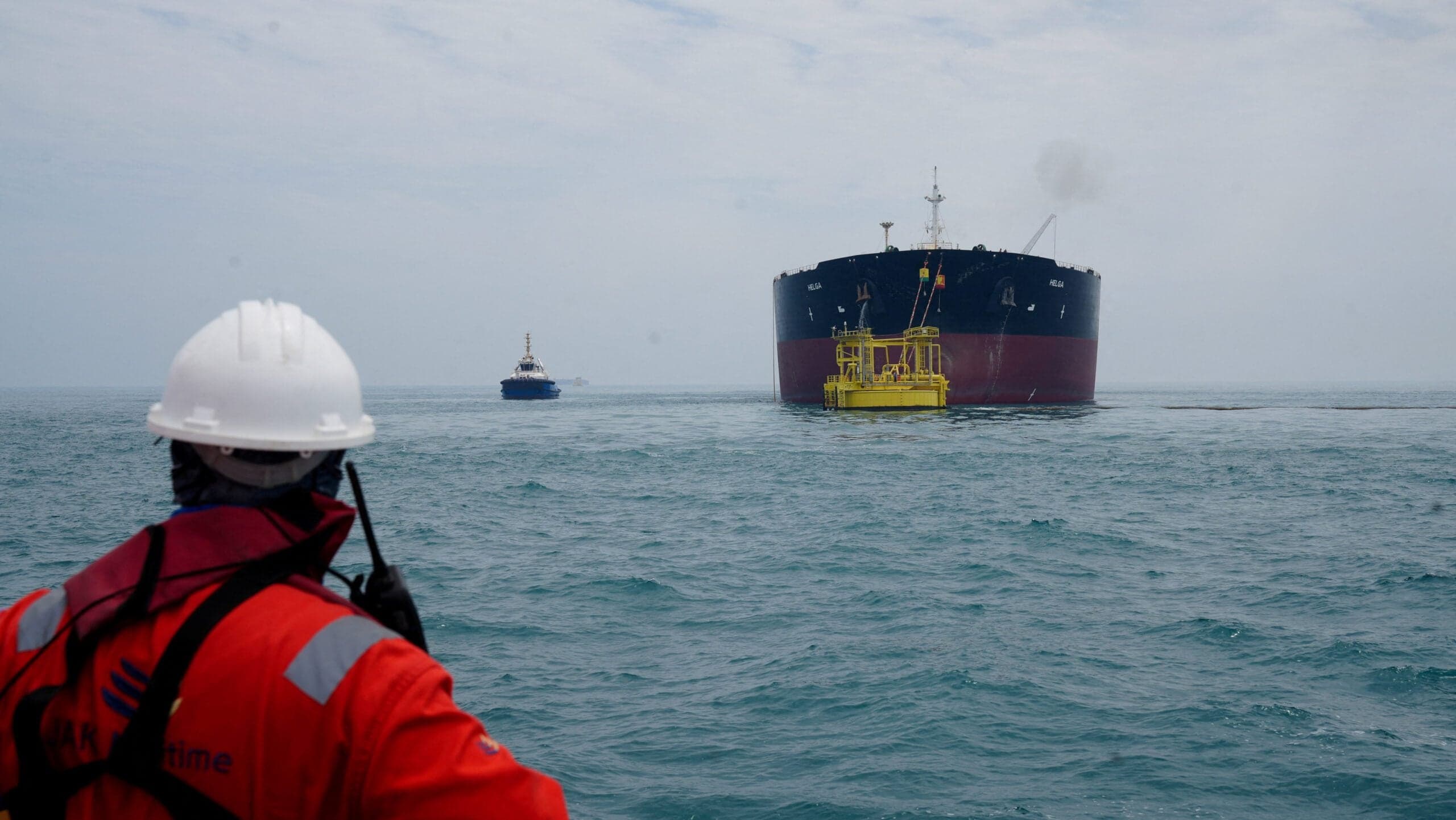
The Strait of Hormuz is open again, but commercial shipping faces a new, complex transit environment with mine threats and dual regimes.
The risk profile for shipping through the Strait of Hormuz has intensified, with compliance frameworks struggling to adapt
OneCare Group urges shipping leaders to recognize seafarer pressures and prioritize health as a safety-critical issue.
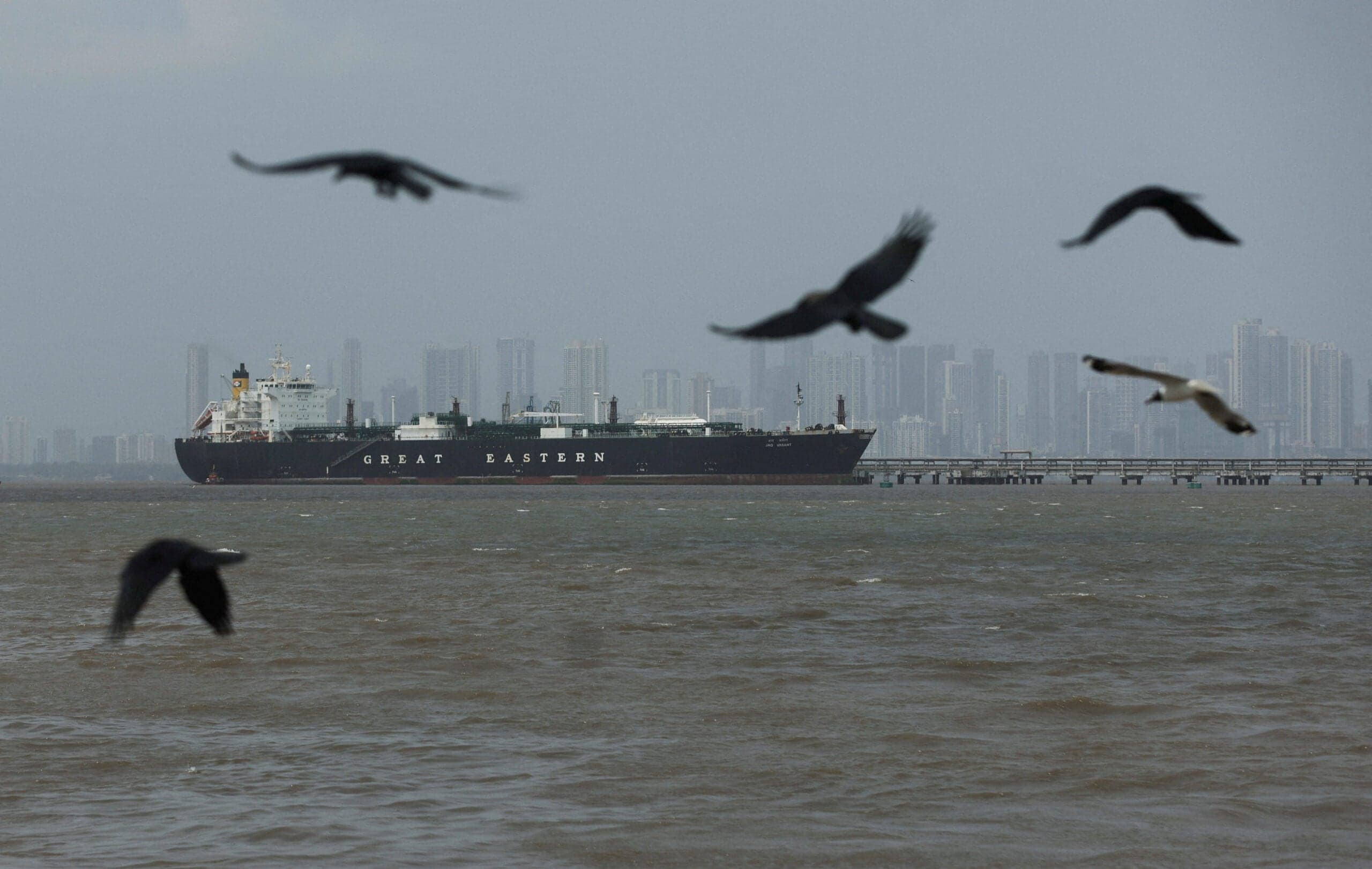
Oil and LNG tankers are once again navigating the Strait of Hormuz after Iran's brief closure of the vital waterway.
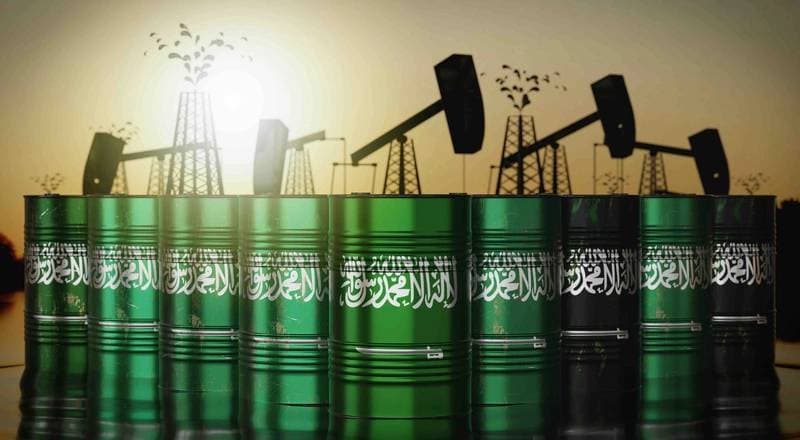
Saudi Arabia's crude oil exports hit a record low in April for the second straight month due to the Iran war disrupting shipments
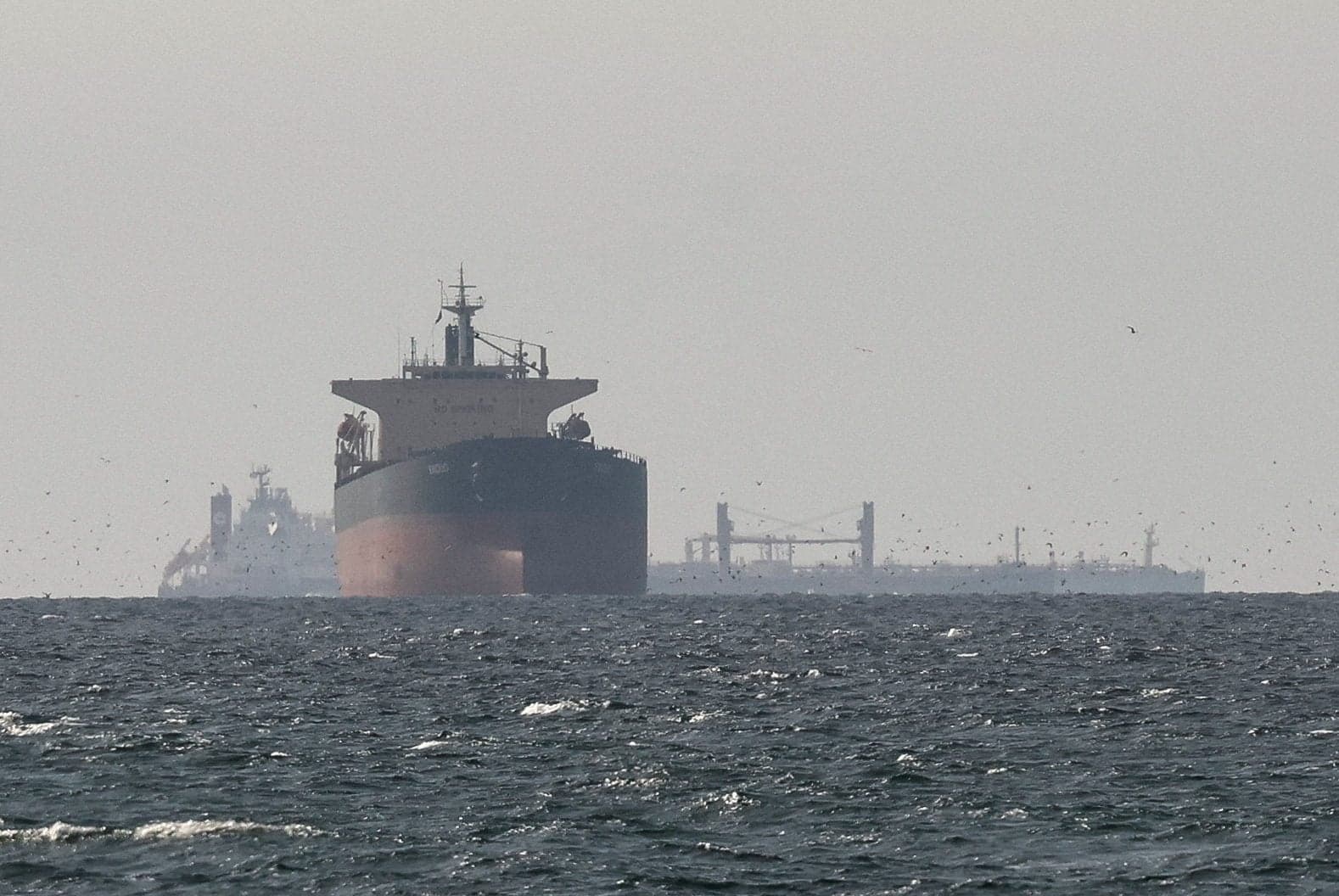
Chinese oil imports may never fully recover from the Iran conflict, accelerating a permanent shift away from traditional fuels
An analysis explores the potential implications of Iran's reintegration into the global economy for maritime trade and geopolitical shifts
Vessels are still transiting the Strait of Hormuz, even with Iranian threats, as US-Iran talks open communication on navigation.
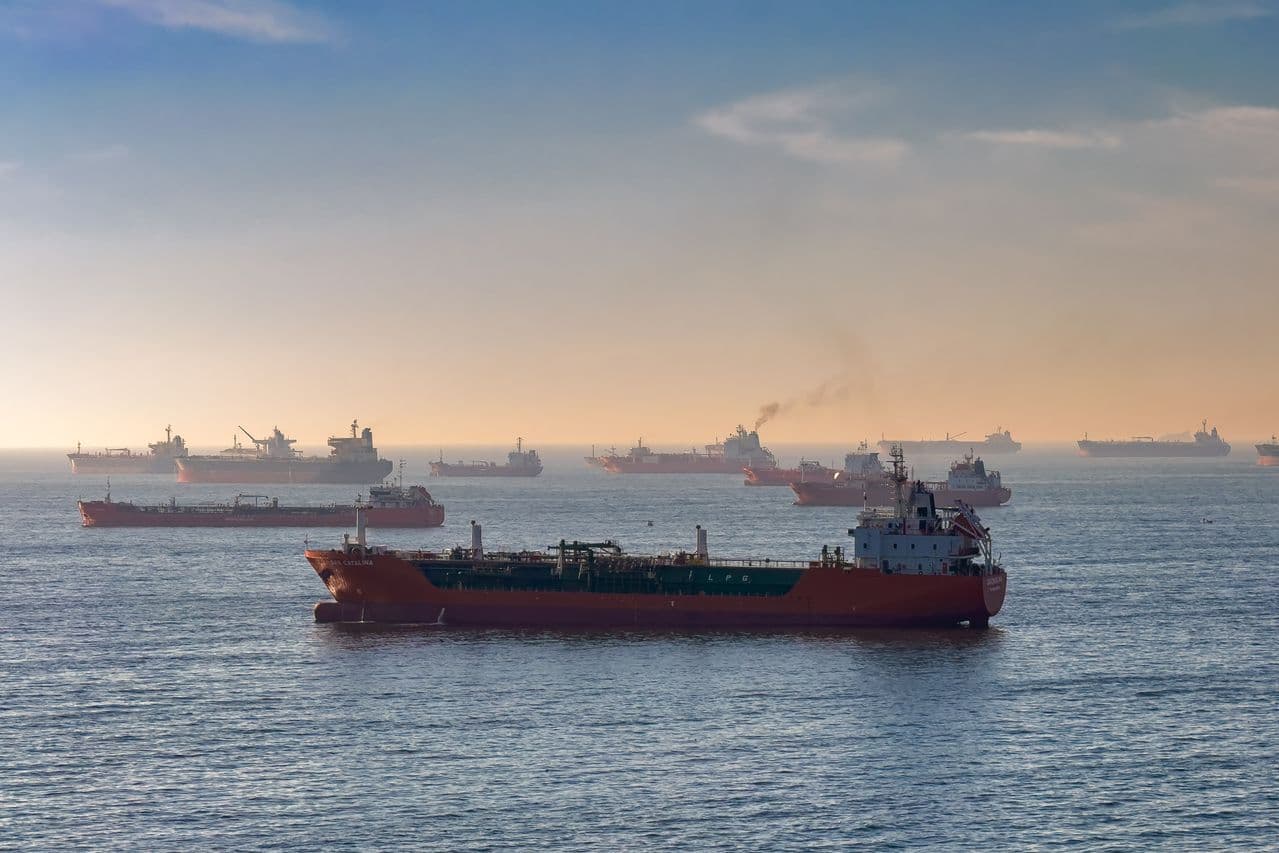
Major shipowners are resuming Strait of Hormuz transits after a US-Iran truce, despite 80 mines and 550 ships awaiting passage.
A Middle East peace deal could normalize chemical production, leading to global overcapacity and downward price pressure.
Freight forwarders may face new commercial pressures in H2 2026 as shipping markets stabilize after geopolitical disruptions
Middle East oil flows face a slow recovery despite a potential US-Iran deal, due to infrastructure damage and tanker backlog
The IEA indicates that while the Iran conflict has suppressed oil demand, its resolution could trigger an oil glut.
Venezuelan crude is now a crucial feedstock for US Gulf Coast refineries, filling a supply gap from Middle Eastern disruptions
European stocks edged up slightly as investors reacted to US-Iran talks and political uncertainty in Britain.
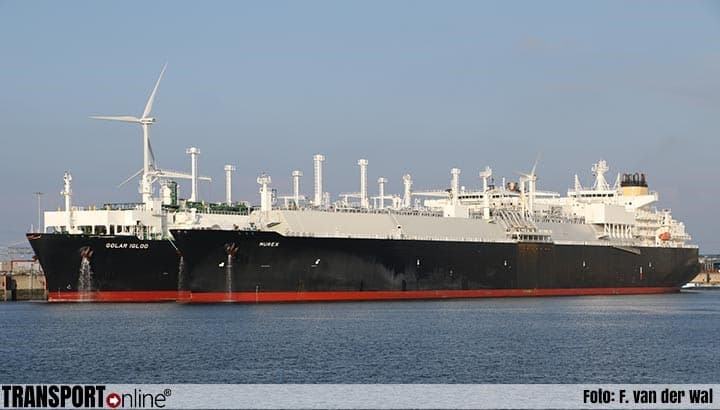
Qatar is recalling empty LNG tankers to its ports following export disruptions caused by the Strait of Hormuz closure.
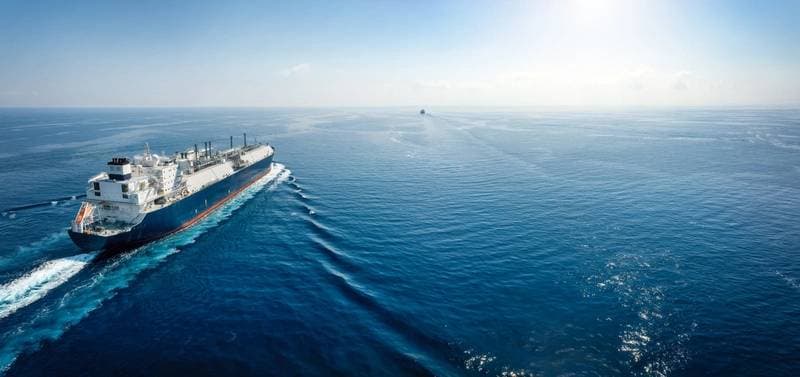
Four Qatari LNG tankers entered the Strait of Hormuz despite a reported decline in shipping activity after Iran's closure announcement
A Turkish-owned dry bulk vessel was struck by a drone in the Black Sea, causing a fire and highlighting escalating regional risks
Browse by mode or open the Intelligence Suite for cross-cutting briefs.