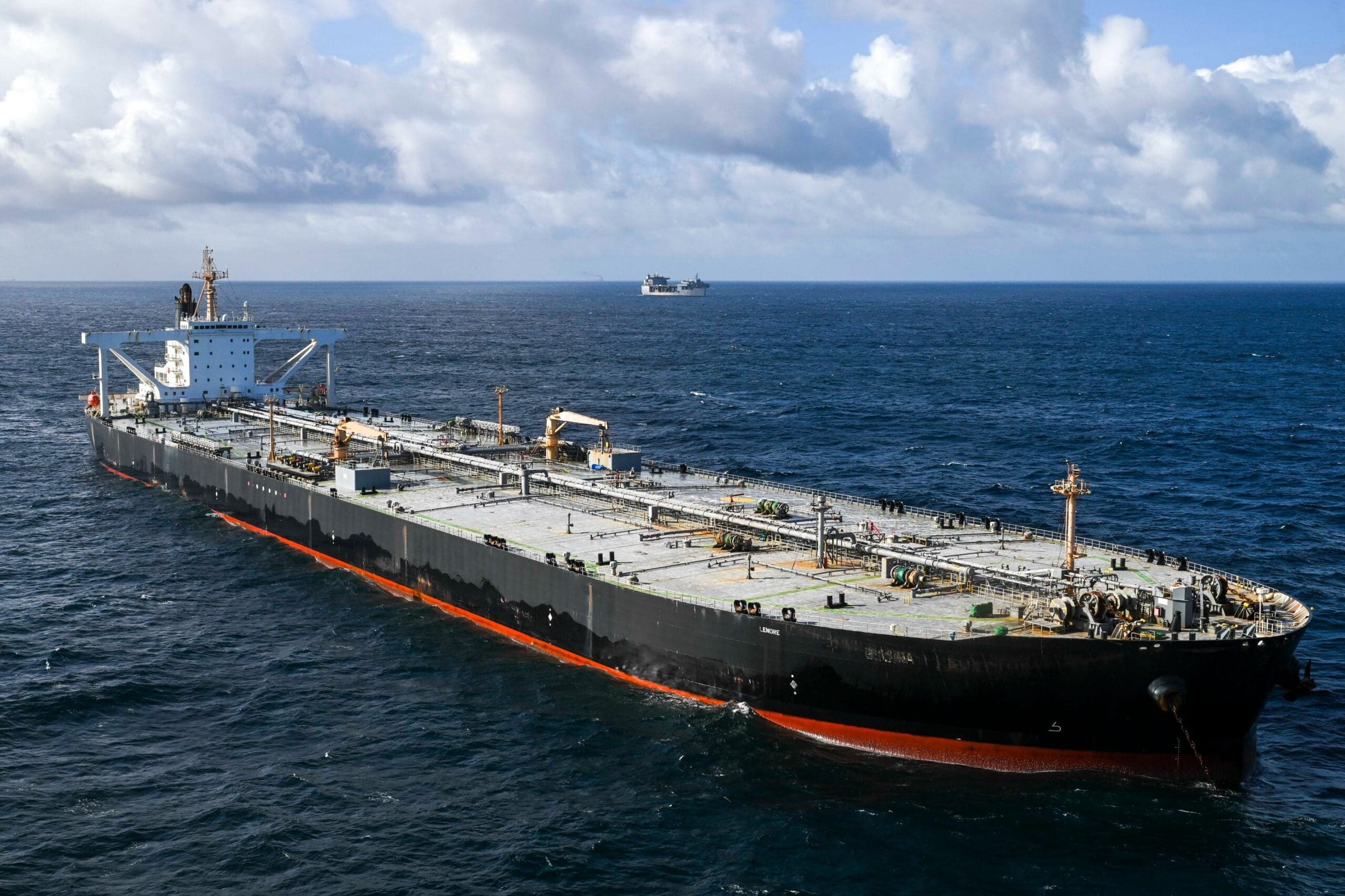
Iran and Oman have commenced official negotiations concerning the management of navigation and maritime services in the Strait of Hormuz. This development signals a joint effort to establish a framework for the waterway's operational future, including the regulation of transit and the cost of services provided to vessels.
The Strait of Hormuz is a strategically vital chokepoint for global oil and gas shipments, connecting the Persian Gulf to the open ocean. Its security and efficient operation are critical for international trade and energy supply chains. Previous tensions in the region have highlighted the need for clear governance and cooperation among littoral states.
For freight forwarders and shippers, these discussions could lead to changes in transit procedures, potentially impacting vessel schedules, insurance premiums, and overall shipping costs through the Strait. Any new agreements on navigation or service fees would need to be closely monitored as they could affect routing decisions and supply chain planning for cargo moving to and from the Persian Gulf.
The outcome of these talks is expected to shape the long-term maritime environment in the Strait of Hormuz, influencing stability and predictability for commercial shipping.