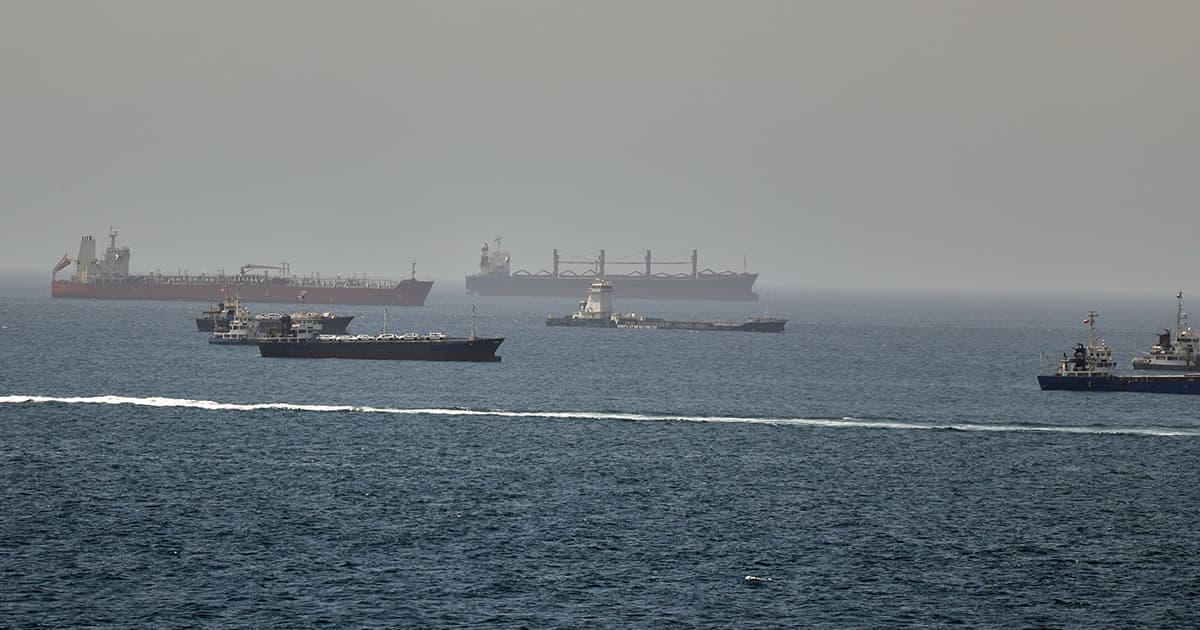
Discussions surrounding the future governance of the Strait of Hormuz, a critical global shipping choke point, are creating obstacles for diplomatic efforts aimed at achieving lasting peace. A key point of contention involves the possibility of imposing tolls on vessels transiting the strait, which could significantly alter maritime economics in the region.
For freight forwarders and shippers, any change in the status quo of the Strait of Hormuz could have substantial implications. The imposition of tolls would directly increase operational costs for carriers, which would likely be passed on to customers through higher freight rates. Furthermore, political instability or disputes over control could lead to disruptions in vessel movements, causing delays and potentially necessitating alternative, longer, and more expensive routing options. This uncertainty adds another layer of complexity to supply chain planning for cargo moving through this vital waterway.