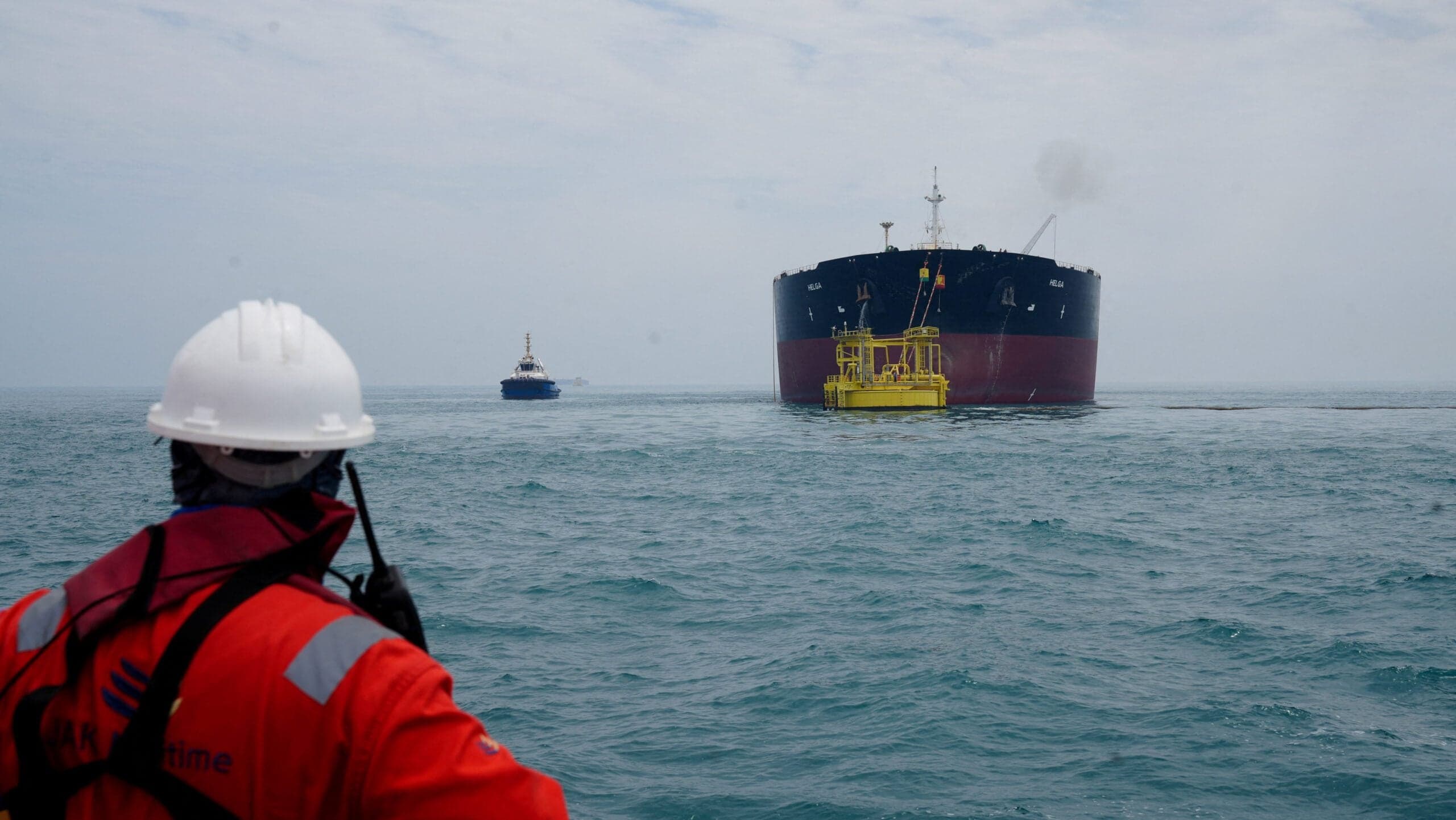
The Strait of Hormuz has resumed operations for commercial vessels; however, the post-conflict environment presents significant changes compared to pre-war conditions. Key challenges include the potential presence of naval mines and the implementation of a dual transit regime, which dictates different rules for passage through the strait. These factors collectively complicate navigation and increase operational risks for shipping companies.
For freight forwarders and operations managers, this altered landscape means heightened security considerations and potentially longer transit times or rerouting options. The presence of mines necessitates careful route planning and possibly additional security measures, impacting vessel schedules and insurance premiums. The dual transit regime could also lead to administrative complexities and delays, requiring forwarders to stay updated on specific requirements for their booked carriers. These changes are likely to influence shipping costs and lead times for cargo moving through this vital chokepoint.