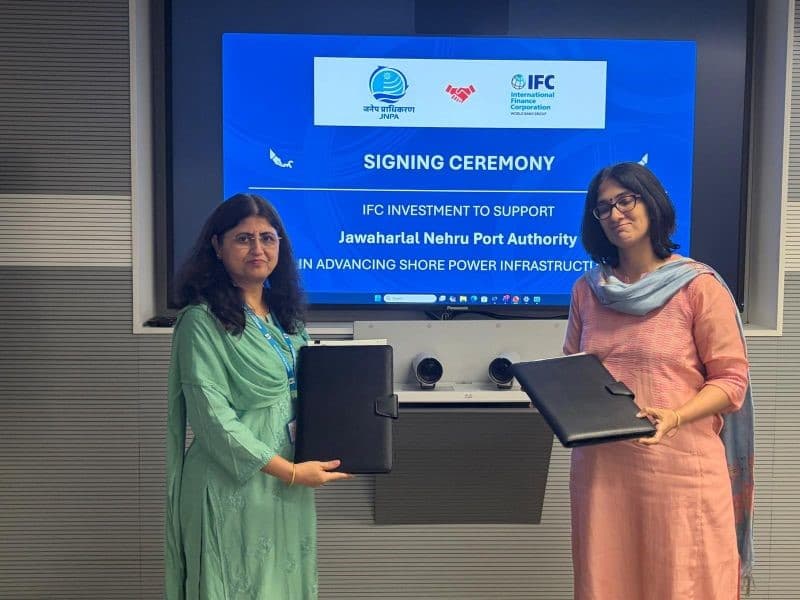
The Jawaharlal Nehru Port Authority (JNPA), recognized as India's largest container port, has secured a US$70 million loan from the International Finance Corporation (IFC). This funding is designated for the development and installation of shore power infrastructure across all its terminals. This collaboration between JNPA and IFC represents a significant milestone as India's first blue financing framework specifically for the maritime sector.
Shore power, also known as cold ironing, allows berthed vessels to shut down their auxiliary diesel engines and connect to the port's electrical grid. This process significantly reduces air pollution, including greenhouse gas emissions, nitrogen oxides, and particulate matter, from ships while they are in port. The adoption of such technology aligns with global efforts to decarbonize the shipping industry and improve air quality in port communities.
For freight forwarders and shippers, this development at JNPA indicates a move towards more sustainable port operations. While there might not be an immediate direct impact on rates or capacity, the long-term implications could include potential surcharges for non-compliant vessels or incentives for carriers utilizing shore power. It also signals a growing trend in major ports to mandate shore power connections, which could influence vessel routing and carrier selection based on their ability to comply with greener port requirements. Operations managers should monitor the implementation timeline and any forthcoming regulations regarding shore power usage at JNPA.
This project is expected to enhance JNPA's environmental performance and contribute to India's broader sustainability goals in the logistics sector.