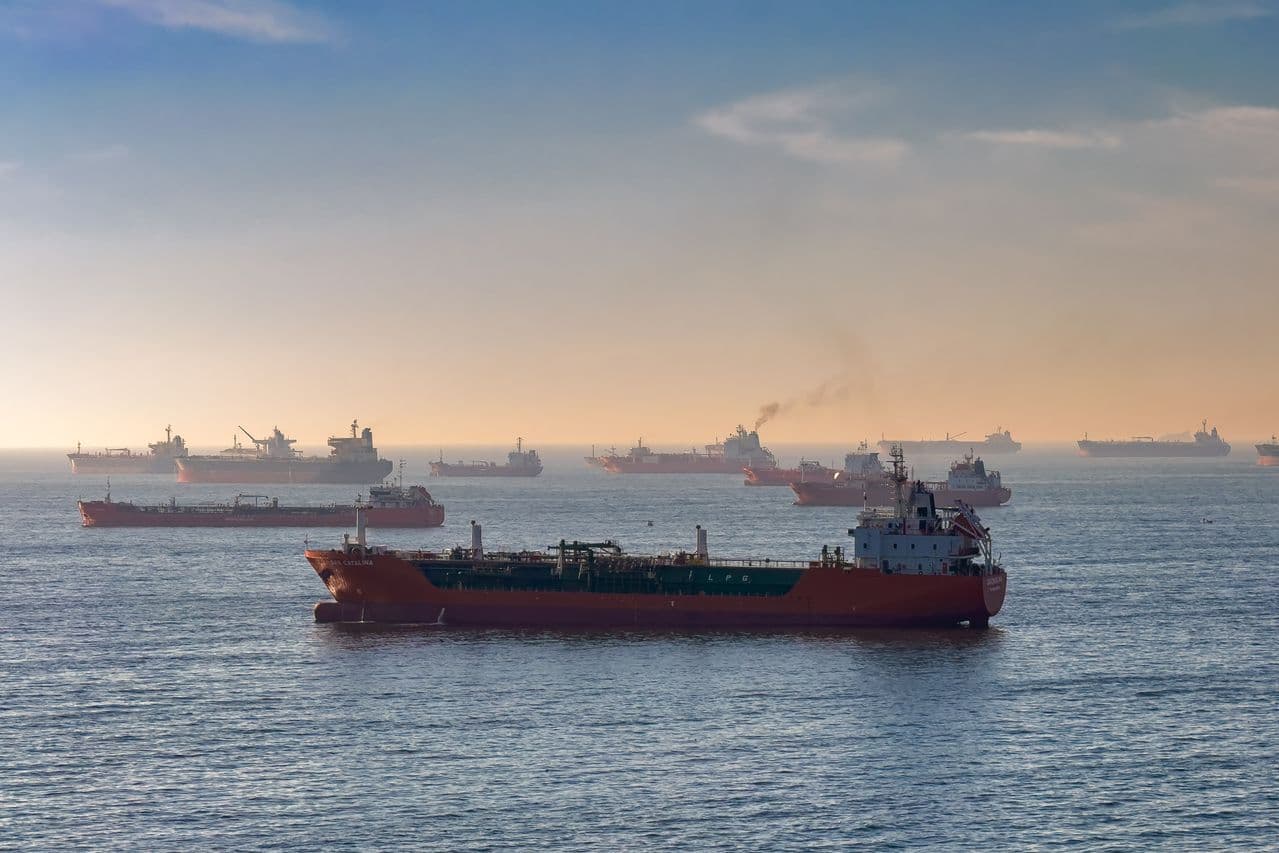
Major shipowners have begun re-entering the Strait of Hormuz after a truce was established between the United States and Iran. This development allows for the resumption of critical maritime traffic, particularly for oil tankers and other energy-related vessels.
Despite the truce, significant operational challenges persist. Reports indicate that 80 mines are still present and blocking the main shipping route within the Strait. Furthermore, approximately 550 vessels are currently queued, awaiting safe passage through the waterway. This backlog suggests that while the immediate threat of conflict may have receded, the physical impediments to smooth transit are still substantial.
For freight forwarders and operations managers, this situation presents a mixed outlook. While the resumption of transits is positive, the lingering presence of mines and the large number of waiting ships will likely cause continued delays and potential disruptions to vessel schedules. Forwarders should anticipate extended lead times for shipments passing through this critical chokepoint and factor in potential war risk premium adjustments, even if the immediate conflict risk has lessened. Capacity might be temporarily constrained due to the backlog, impacting vessel availability and potentially freight rates for routes dependent on the Strait of Hormuz.