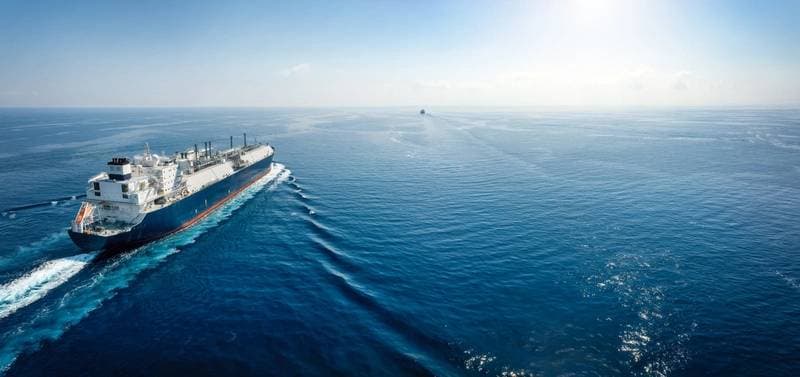
Four liquefied natural gas (LNG) tankers, operated by Qatar, were observed transiting into the Strait of Hormuz on Monday. This movement occurred even as shipping data indicated a general reduction in vessel traffic through the strait. The decrease in traffic followed an announcement by Iran over the weekend that it had once again closed the critical waterway.
For freight forwarders and supply chain managers, this situation underscores the persistent geopolitical risks associated with key maritime chokepoints. While the immediate impact on container or general cargo shipping might be limited, any disruption in the Strait of Hormuz can lead to increased war risk premiums for all vessels transiting the area, affecting overall shipping costs and potentially causing delays. Forwarders need to monitor such developments closely as they can influence routing decisions and insurance surcharges, particularly for sensitive cargo or long-term contracts.
The Strait of Hormuz is a vital passage for a significant portion of the world's oil and gas shipments, making any threat of closure a concern for global energy markets and maritime trade. The re-entry of Qatari LNG carriers suggests that essential energy flows are continuing, albeit under heightened scrutiny.