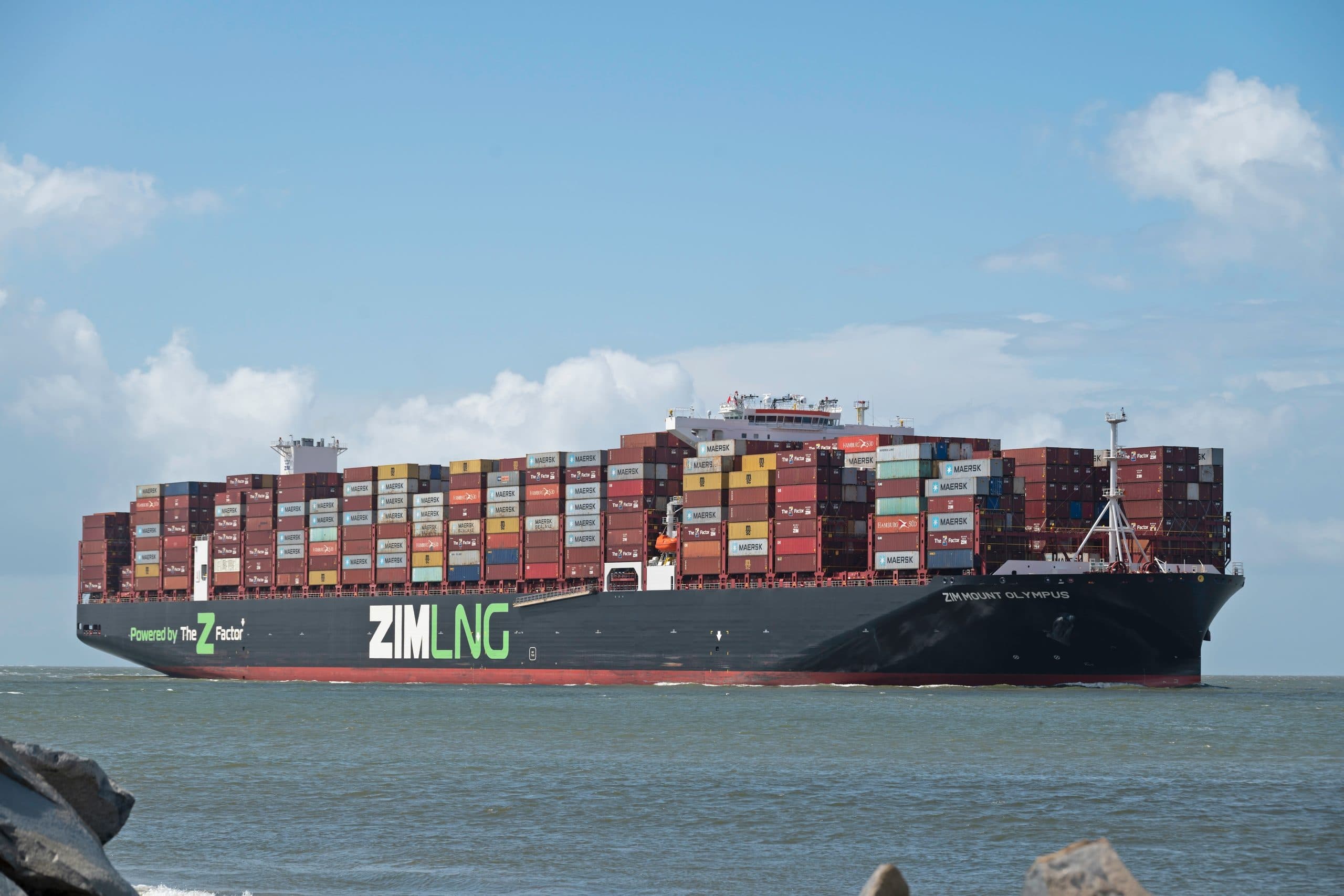
The global aluminum market is still grappling with a supply deficit, notwithstanding recent diplomatic developments that have eased tensions in the Middle East. A preliminary Memorandum of Understanding (MoU) between the United States and Iran, coupled with an extended ceasefire, has diminished concerns regarding potential disruptions to aluminum supply chains and critical shipping lanes in the region. This agreement is seen as a positive step in lowering the immediate risk of additional supply losses.
However, the de-escalation of geopolitical risks does not fundamentally alter the underlying market dynamics for aluminum. The existing deficit is driven by factors beyond immediate regional conflicts, indicating that while the threat of new supply interruptions has lessened, the core imbalance between supply and demand remains. For freight forwarders and logistics professionals, this means that while the risk of sudden, conflict-driven shipping route closures or cargo delays in the Middle East may have decreased, the broader market conditions for aluminum-related cargo will likely continue to be characterized by tight supply. This could lead to sustained pressure on sourcing and potentially higher costs for transporting aluminum and products reliant on it.