The International Energy Agency (IEA) has highlighted that the supply disruptions stemming from the Iran conflict have led to a notable decrease in worldwide crude oil demand. This assessment was detailed in its most recent monthly oil market report. The agency projects that if a permanent resolution to the conflict is achieved, it could result in a considerable surge in oil production and supply volumes in the coming year, potentially causing a substantial surplus in the global oil market.
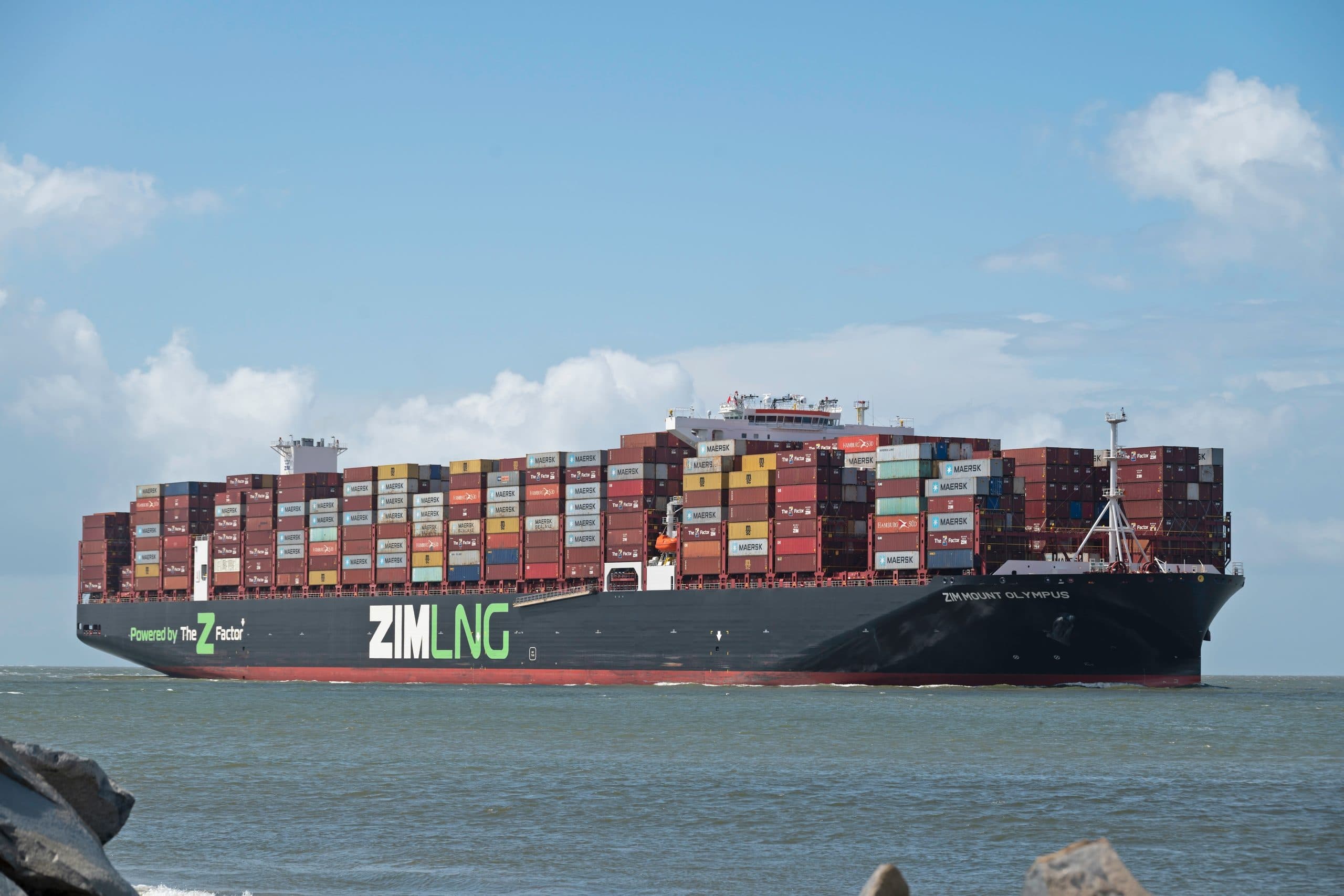
For freight forwarders and logistics professionals, this outlook has direct implications for operational costs, particularly bunker fuel prices, which are a major component of shipping expenses. A significant oil glut would likely drive down crude prices, leading to lower bunker fuel costs. This could translate into reduced freight rates, offering some relief to shippers and potentially increasing demand for sea transport as costs become more favorable. Conversely, continued instability or an escalation of the conflict would likely keep oil prices elevated, maintaining pressure on operational budgets and potentially leading to higher surcharges.
Looking ahead, the market will closely monitor geopolitical developments in the Middle East. Any progress towards de-escalation or a peace agreement will be a key indicator for future oil supply and demand dynamics, influencing strategic planning for shipping lines and their customers.