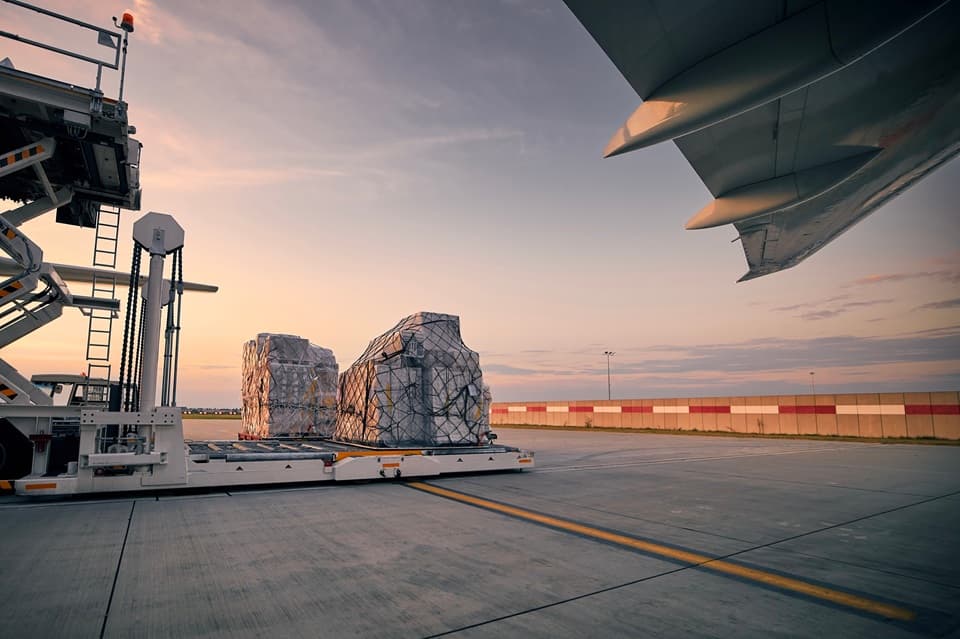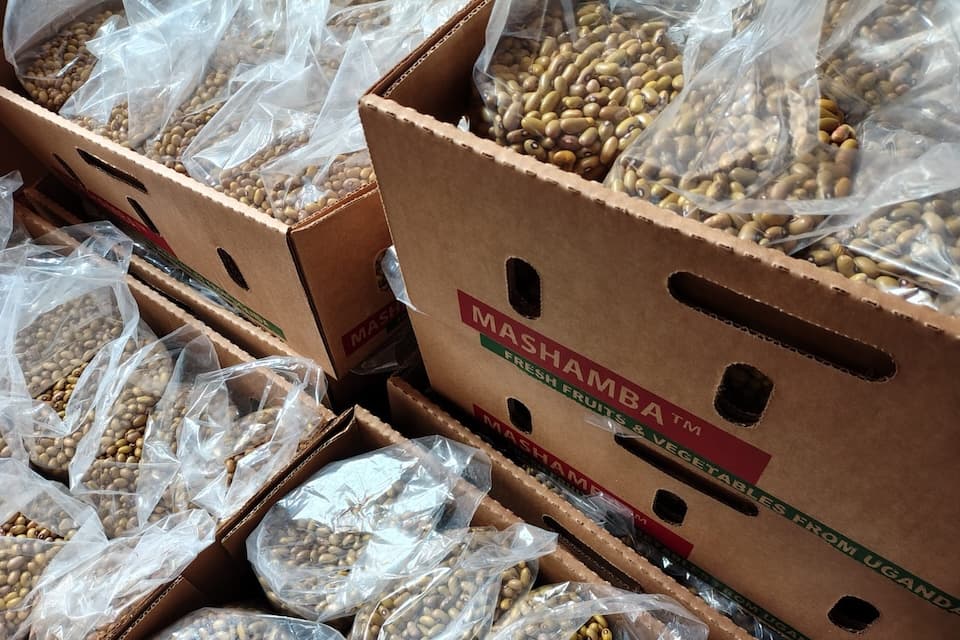
Ugandan exporters of fresh produce, including hot peppers, ginger, matoke, and avocados, are experiencing difficulties in securing adequate air cargo capacity from Entebbe. The majority of these perishable goods are transported in the belly holds of passenger aircraft, meaning flight schedules are optimized for passenger demand rather than the specific needs of time-sensitive cargo with limited shelf life. This reliance on belly cargo often results in a mismatch between available space and the volume of produce requiring shipment.
For freight forwarders and operations managers, this situation translates into unpredictable capacity and potential delays for perishable shipments originating from Uganda. The lack of dedicated freighter services means that securing consistent space can be challenging, leading to potential spoilage or missed market windows. Forwarders must navigate fluctuating belly cargo availability, which can impact transit times and ultimately affect the quality and value of the produce upon arrival in destination markets like the UK and Europe. This scenario necessitates flexible booking strategies and close coordination with airlines to secure optimal routing and timing for these sensitive goods.