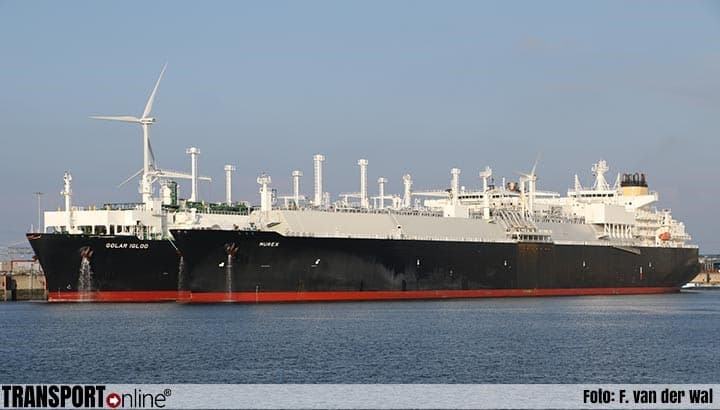
Qatar is in the process of bringing empty liquefied natural gas (LNG) carriers back to its facilities. This strategic move comes as the nation, a major LNG exporter before the recent Middle East conflict, has seen its export operations severely impacted. The primary cause of this disruption is the closure of the Strait of Hormuz, a critical maritime chokepoint.
Prior to the conflict, Qatar was a significant player in the global LNG market. The current geopolitical situation in the Middle East, particularly concerning the Strait of Hormuz, has directly affected its ability to transport LNG to international buyers. The recall of these vessels suggests an effort to re-establish or prepare for future export capabilities, or to manage its fleet in response to the ongoing blockade.
For freight forwarders and supply chain analysts, this situation highlights the extreme vulnerability of global energy supply chains to regional conflicts. The closure of key maritime passages like the Strait of Hormuz can lead to immediate and severe disruptions in cargo flow, particularly for specialized commodities like LNG. This could result in altered shipping routes, increased transit times, and potentially higher freight rates for alternative energy sources or other cargo types as vessel availability shifts. Forwarders involved in energy logistics will need to monitor the geopolitical situation closely for any changes that might impact routing and capacity for LNG and other bulk liquid cargoes.
The article does not specify what Qatar's next steps will be once the tankers are recalled, nor does it provide a timeline for the potential reopening of the Strait of Hormuz.